
 E-Paper



Over 56K scheduled flights cancelled between 2017-2023: Govt
Since 2017, 56,607 scheduled flights were cancelled, causing significant disruption to the passengers who were compensated an amount of ₹31.83 crore.


The government on Monday said that over 16 lakhs passengers were affected due to flight disruptions between 2017 and June, 2023.
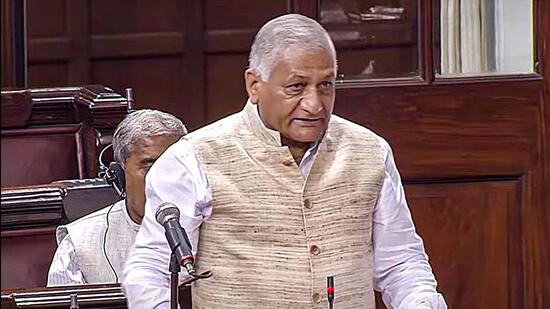
In response to Communist Party of India (CPI) member of Parliament (MP) Binoy Viswam in Rajya Sabha, Union minister of state for civil aviation Dr. VK Singh in a written reply stated that since 2017, 56,607 scheduled flights were cancelled, causing significant disruption to the passengers who were compensated an amount of ₹31.83 crore.
2019 saw most compensations, which could be attributed to the onset of Covid-19 and complete closure of civil aviation in the country.
“Major reasons for cancellation of flights are due to technical, operational, weather, commercial and other miscellaneous reasons,” Singh said.
“The average compensation per passenger affected by disruption was less than 200 rupees per passenger,” Viswam’s statement said.
Responding to this, Viswam who is also the president of the Kerala Pravasi Federation, said, “This recurring issue of cancellations raises serious questions about the efficiency and reliability of our nation’s airlines and their commitment to the citizens they serve. The government’s response has raised concerning questions.”
He alleged that the situation of Air India, the flag carrier of our nation, post-privatisation, is particularly distressing.
“Despite the supposed benefits promised by privatisation, the airline has reported 580 flight cancellations in just one and a half years since privatisation in 2022. It is evident that the transition to private hands has not been as smooth or beneficial as anticipated,” he alleged in a statement.
The number of passengers affected due to these cancellations is enormous, leading to distress, inconvenience, and economic loss to the citizens, Viswam said adding that the purpose of an effective air travel system is not merely to compensate after failure but to ensure efficient and reliable services.
“The compensations remain measly considering the cost of air-travel post-privatisation,” he said.
Viswam stressed the need for the Civil Aviation Ministry to take a more comprehensive and proactive approach to addressing these issues and called for enhanced transparency, accountability, and an urgent review of the compensation framework for affected passengers.


