
 E-Paper



PM Modi opens up about 2002 Godhra riots, aftermath in Lex Fridman podcast
Addressing the perception that the 2002 Gujarat riots were unprecedented, PM Modi asserted that the state had witnessed over 250 communal riots before 2002.

 Prefer HTon Google


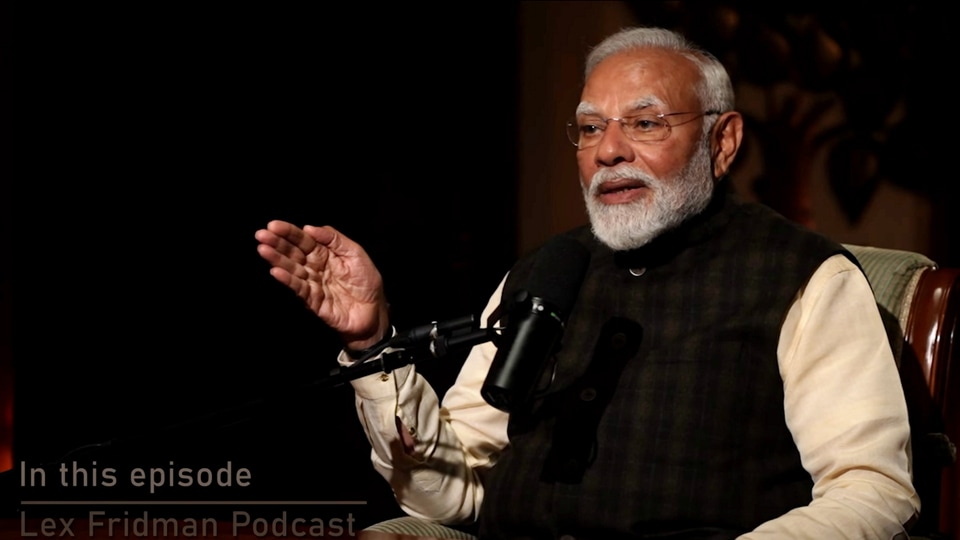
In a candid conversation with Lex Fridman on his podcast, Prime Minister Narendra Modi opened up about the 2002 Godhra train burning incident and the subsequent riots in Gujarat. The discussion, which delved into Modi’s early political career and governance approach, also addressed the widespread criticism he faced in the aftermath of the violence.
Challenging beginnings
Recalling the events of February 2002, Modi highlighted how the tragedy unfolded just three days after he became an elected representative for the first time. “I stepped into the Gujarat Assembly for the first time around February 24th or 25th, and on February 27, the horrific Godhra incident occurred,” he stated, referencing the burning of the Sabarmati Express, which claimed 59 lives and triggered communal violence across the state.
Modi emphasized the volatile atmosphere at the time, pointing out the global surge in terrorist activities, including the Kandahar hijacking in 1999, the Red Fort attack in 2000, and the 9/11 attacks in 2001. He described how these events contributed to a heightened sense of unrest and insecurity in India.
What happened in Godhra
On February 27, 2002, the Sabarmati Express carrying Hindu karsevaks was set on fire by a mob, resulting in the deaths of 59 people, including women and children.
This was followed by communal riots across the state of Gujarat, where hundreds were killed. In 2011, a special court convicted 31 people in connection with the Godhra train burning incident, after which the Gujarat High Court in 2014 upheld the conviction of 11 people while acquitting 20 others.
Finally, the Supreme Court of India upheld the verdict given by Gujarat HC, dismissing the appeals filed by the convicts in connection with the Godhra train burning.
'Fake narrative' on Gujarat
Addressing the perception that the 2002 Gujarat riots were unprecedented, PM Modi asserted that the state had witnessed over 250 communal riots before 2002, with frequent curfews imposed due to unrest. He refuted claims that the violence of 2002 was the worst in Gujarat’s history, stating that previous incidents had been equally, if not more, devastating.
The Prime Minister also criticized what he described as an orchestrated attempt to malign his image, insisting that his government was subjected to rigorous legal scrutiny. “At that time, our political opponents were in power, and naturally, they wanted all allegations against us to stick. Despite their relentless efforts, the judiciary analyzed the situation meticulously, twice, and ultimately found us completely innocent,” Modi said.
Highlighting Gujarat’s progress since 2002, Modi stated that the state had not witnessed a single major riot in the past 22 years. He credited his government’s policy of moving away from “vote-bank politics” in favor of an inclusive development agenda. “Our mantra has been: ‘Sabka Saath, Sabka Vikas, Sabka Vishwas, Sabka Prayas,’” he reiterated.
The Prime Minister emphasized that Gujarat has shifted from a past of communal tensions to becoming a model of economic growth and peaceful coexistence. He underscored that rather than appeasement politics, his government focused on aspirations, ensuring that people from all communities contributed to the state’s development.
On handling criticism
During the interview, Fridman also asked PM Modi about his response to critics, particularly regarding the 2002 riots. Modi expressed his openness to constructive criticism, saying, “Criticism is the soul of democracy. If democracy truly runs in your veins, you must embrace it.” However, he lamented that much of the criticism against him was not based on thorough research or factual analysis but was instead driven by political motives.
He urged for well-informed critiques, stating that genuine criticism should be based on deep study and careful analysis rather than mere accusations. “Critics should be your nearest companions because through genuine criticism, you can improve quickly and work democratically with better insights,” Modi added.


