
 E-Paper



PMGKAY, India’s Covid relief programme, praised by UN wing: Official
Union food secretary Sudhanshu Pandey said the WFP has conveyed to the government that it would like to undertake a case study of the scheme so that other emerging economies could benefit from its design and implementation.

 Prefer HTon Google


The World Food Programme (WFP), the food-assistance wing of the UN, has praised India’s Pradhan Mantri Garib Kalyan Anna Yojana (PMGKAY), a Covid-relief programme that gives free food handouts to nearly 80 million beneficiaries, as a “notable step to tackle hunger by any developing nation” during the pandemic, Union food secretary Sudhanshu Pandey has said.
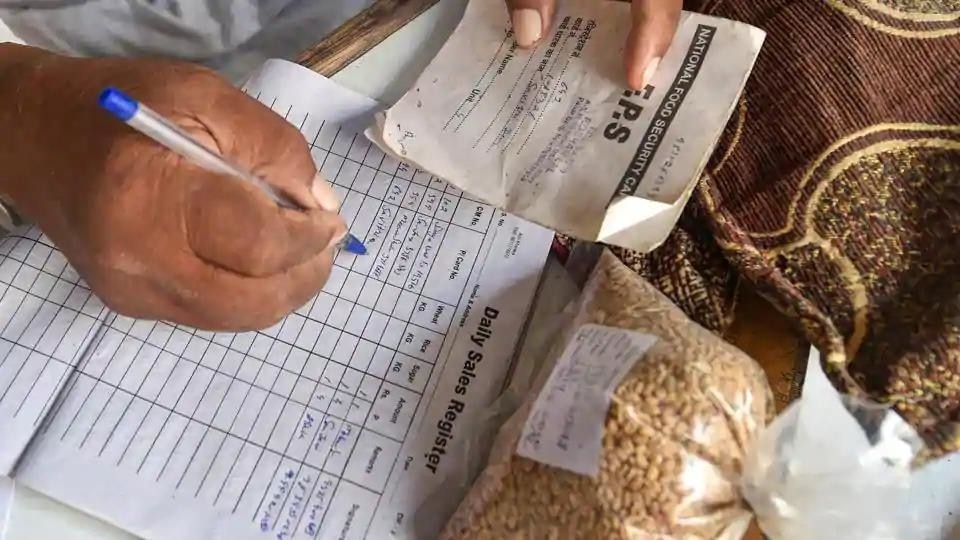
The food secretary said the WFP has conveyed to the government that it would like to undertake a case study of the scheme so that other emerging economies could benefit from its design and implementation.
“The WFP has praised the scheme and said they would like to use it as a case study and a model that can be shared with others nations,” the food secretary said. The global body also tweeted about PMGKAY on June 7.
The official also said the programme, launched during the first Covid wave and currently in force, involved a federal spending of nearly ₹3 lakh crore, allocation of nearly 60 million tonne of foodgrains for a duration of 15 months since the pandemic broke out in 2020.
Under PMGKAY, the government gives five kilos of rice or wheat and one kilo of pulses free every month through the public distribution system. It will continue till Diwali, November 4, 2021.
The secretary said a study of the programme by the firm Dalberg found that 96% of the beneficiaries benefited from the scheme. The study was commissioned by the Union finance ministry.
A comment from the Rome-based WPF was not immediately available and the organisation hasn’t replied to a query sent to it till the time of going to press.
“The WFP is working to improve the efficiency, accountability and transparency of India’s own subsidised food distribution system, which brings supplies of wheat, rice, sugar and kerosene oil to around 800 million poor people across the country,” a page on its India operations on its website states.
Food-security campaigners say the country needs to do more to ensure India’s malnutrition levels go down. India ranked 94 out of 107 nations according to the Global Hunger Index 2020, which found a serious level of hunger.
The National Family Health Survey 5, released in December 2020, found that in 13 states, the percentage of stunted children aged under five has gone up slightly in comparison to 2015-16.
“We would like to see universal coverage under the PDS as a solution to chronic problems malnutrition and hunger,” said Ayesha, who goes by one name, of the Right to Food Campaign.


