
 E-Paper



Postponement of Modi-Abe meet nixed 5G test-bed trial
The summit was scheduled between December 14 and 17 but was called off at Tokyo’s request.

 Prefer HTon Google


One of the unintended, yet significant, consequences of the postponement of the Narendra Modi-Shinzo Abe summit in Guwahati this month because of the anti-Citizenship (Amendment) Act protests in Assam was the nixing of an announcement of 5G test-bed trials with special strategic partner Japan.
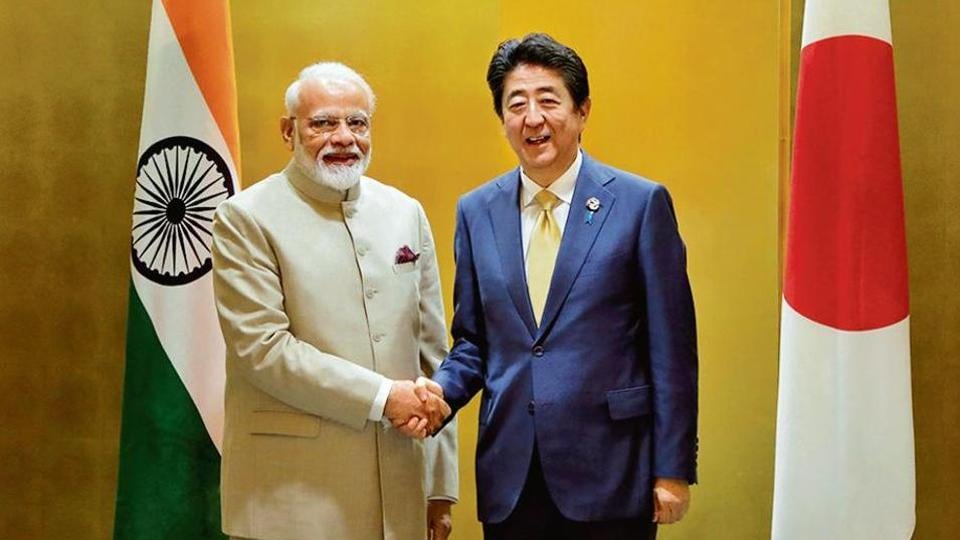
The summit was scheduled between December 14 and 17 but was called off at Tokyo’s request.
While the telecom ministry has opened the 5G trials to all global entities, the Guwahati summit was to showcase the 5G technology with both Prime Ministers using special visual glasses to scan the mighty Brahmaputra river, according to top officials.
The groundwork for the test-bed trials with Japanese collaboration was laid during a visit by Prof K Vijay Raghavan, principal scientific advisor to the government ,and India’s cybersecurity chief Lt Gen (Retd) Rajesh Pant, along with a senior ministry of external affairs official, to Tokyo in September.
Japan will showcase its 5G technology during the July-August 2020 Summer Olympics in Tokyo.
Although the telecom ministry has looked at the 5G technology purely from a commercial viewpoint by inviting all players, including Chinese giant Huawei,national security planners understand the leverage and long-term impact of this future technology.
“First of all we must ensure very strict integrity pact with India’s global 5G partner with provision of heavy penalties being levied on the main supplier even if its ancillary units open the back door. Secondly, India must use 5G technology to diplomatically and commercially leverage a deal with the supplier country. We should be able to answer the question on what is in it for India,” said a senior official. India has already noted that western countries led by US have barred Huawei because of doubts over long-term data integrity.
With Prime Minister Modi being seized of the matter, it is quite evident that the very-soon-to be established Core Information and Communication Technology (Core-ICT) commission will be at the heart of the 5G decision. The new Commission will take India towards the path of 5% share of the global market with a revenue potential of ₹700,000 crore in the next 10 years.
There are strong indications within the government that former Telcom Secretary Aruna Sundararajan, a 1982 batch Indian Administrative Service officer, is the front runner to head the commission, which was proposed by the policy think tank Niti Aayog exactly a year ago.
The commission, with full executive and financial powers with a budget of over ~100 crore, will have 15 part-time members including the principal secretary to PM and the cabinet secretary.
Even though the Scandinavian countries have also been at the forefront of the 5G technology, it is evident that national interest will prevail over commercial interest in India’s case.


