E-Paper



Rajya Sabha elections: Congress to fly MP MLAs to Karnataka amid poaching fears
Umang Singhar, the leader of the Opposition in the state assembly, insisted they were not forcing anyone to move to Karnataka and that it was voluntary

 Prefer HTon Google


The Opposition Congress has chartered a plane to fly its lawmakers out of Madhya Pradesh in two batches on Tuesday amid fears of poaching ahead of the June 18 Rajya Sabha elections. The ruling Bharatiya Janata Party (BJP) has fielded three candidates in the state, even as it needs the backing of nine additional assembly members to secure the third seat.
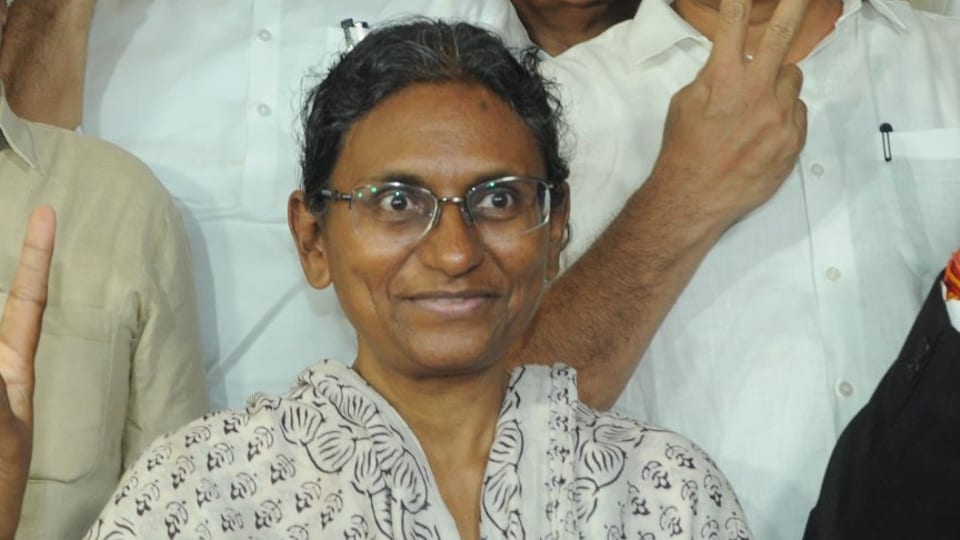
The Congress lawmakers gathered at the residence of Umang Singhar, the leader of the Opposition in the state assembly, ahead of their departure to Congress-ruled Karnataka. The first flight is scheduled to depart at 2:30pm, followed by another in the evening.
The Congress has, over the years, relied on DK Shivakumar, who took over as the Karnataka chief minister this month, to manage crises across states.
Singhar insisted they were not forcing anyone to move to Karnataka and that it was voluntary. “If some lawmakers want to stay in Madhya Pradesh, they can. We have full faith in all lawmakers, but we remain vigilant against the BJP’s poaching politics. The BJP should focus on keeping its own lawmakers in check.”
Congress lawmaker Sheopur Babu Jandel said all legislators were asked to prepare for a 10-day trip to Bengaluru. “We are going and will discuss strengthening the party.”
People aware of the matter said the lawmakers will return to Bhopal on June 18.
On Monday, Congress lawmaker Vikrant Bhuria accused the BJP of offering crores to their leaders and threatening them. “They are trying to kill constitutional rights, but we would not allow this.”
BJP spokesperson Hitesh Bajpai said Congress is shifting lawmakers due to a lack of trust, reflecting a doubt over their decision to back a candidate with no established support.
The BJP fielded the third candidate, Mukesh Kevat, against Congress’s Meenakshi Natarajan. Congress leader Naresh Gyanchandani resigned from the Congress over Natarajan’s nomination.
A Rajya Sabha candidate requires 58 votes to win in the 230-member Madhya Pradesh assembly. The BJP has 164 lawmakers and the support of defected Congress lawmaker Nirmala Sapre. It is comfortably placed to win two seats.
The Congress has 61 lawmakers after the Madhya Pradesh high court cancelled Mukesh Malhotra’s election over the failure to declare criminal cases in his election affidavit. Rajendra Bharti, another Congress lawmaker, was disqualified following a fraud conviction. The Congress has the support of Bharatiya Adivasi Party’s Kamleshwar Dodiyar.
The June 18 biennial elections for 24 Rajya Sabha seats across 10 states are being held as the BJP-led National Democratic Alliance (NDA) seeks the two-thirds majority mark in the Upper House. The BJP is the single-largest party with 113 members (including five nominated lawmakers). The NDA has 149 seats in the 245-member House.
Of the 24 seats falling vacant, the BJP held 12, the Congress four, the Telugu Desam Party one, and the YSR Congress three. One seat that fell vacant due to the demise of former Jharkhand chief minister Shibu Soren will also go to the polls, as will a seat each in Meghalaya, Mizoram, Arunachal Pradesh, and Manipur.
By-elections are being held for one seat each in Maharashtra and Tamil Nadu. June 8 (Monday) was the last date for filing nominations.