E-Paper



Rawat’s resignation could impact BJP’s poll prospects
Tirath Singh Rawat’s resignation ended his short stint that was marred by controversies including over allowing the Mahakumbh during a devastating surge in Covid infections, and large-scale fraud in testing during the mega fair.

 Prefer HTon Google


Dehradun: Tirath Singh Rawat’s resignation as the Uttarakhand chief minister just four months after he replaced Trivendra Singh Rawat comes months before the elections in the state. Political experts say the fresh change of guard could impact the Bharatiya Janata Party (BJP) prospects in the 2022 assembly polls. The change has also given Congress a fresh handle to attack the BJP over political inability in the state.
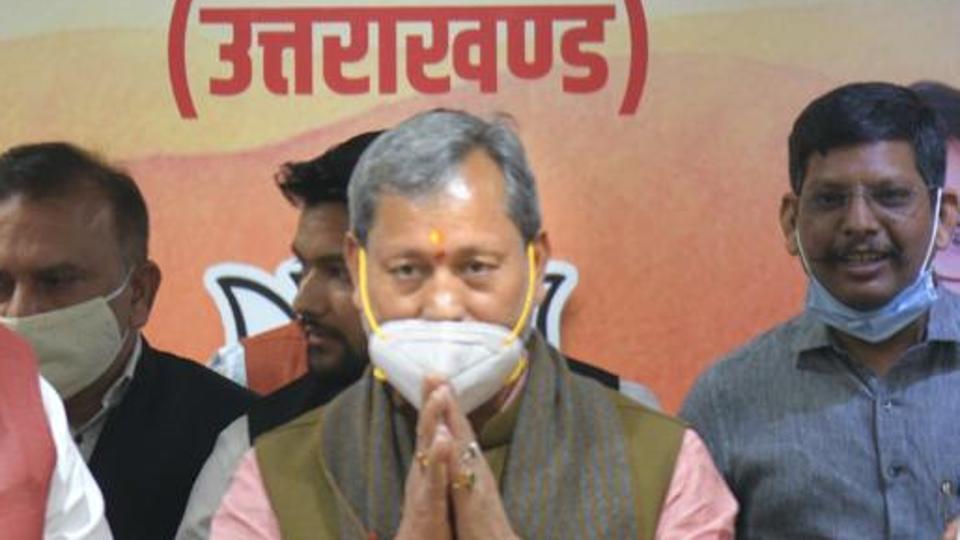
Tirath Singh Rawat’s resignation ended his short stint that was marred by controversies including over allowing the Mahakumbh during a devastating surge in Covid infections, and large-scale fraud in testing during the mega fair. Rawat, 57, suggested he resigned because the Election Commission (EC) was unlikely to hold by-elections due to Covid-19. But an EC official indicated that no request was made to hold a by-poll and suggested there were precedents that may have permitted it. A chief minister, if not a member of the assembly, needs to be elected within six months of assuming the post. The EC does not typically hold by-polls to vacant constituencies when an assembly’s remaining term is less than a year.
The situation for the BJP in Uttarakhand is a throwback to 2011 when Ramesh Pokhriyal Nishank resigned ahead of the assembly polls the following year. BC Khanduri, who replaced Nishank, lost the assembly elections as Congress returned to power.
SMA Kazmi, a Dehradun-based political analyst, said the change of leadership within four months will increase the political instability in the state and alter various equations between the Kumaon and Garhwal regions as well as Thakurs and Brahmins. “Opposition Congress will again get an opportunity to target the government...(over) growing political instability...” He added there is also brewing discontent over unemployment and issues related to traders.
Congress leader Suryakant Dhasmana said the people feel betrayed and can clearly see there is no political stability in the state. “With such instability and infighting, can they provide any relief or succour to people here? They are themselves in crisis.”
None of the state’s chief ministers barring Congress’s ND Tiwari have completed their five-year term in the state since it was formed in 2000.