
 E-Paper



Armyman, ex-judge, Magsaysay awardee, activist: Meet the main petitioners in fight for privacy rights
The four petitioners championed the right to privacy while challenging the 12-digit unique identification number, Aadhaar.


The Supreme Court on Thursday made individual privacy a fundamental right, a verdict that will have significant implications on a range of issues.
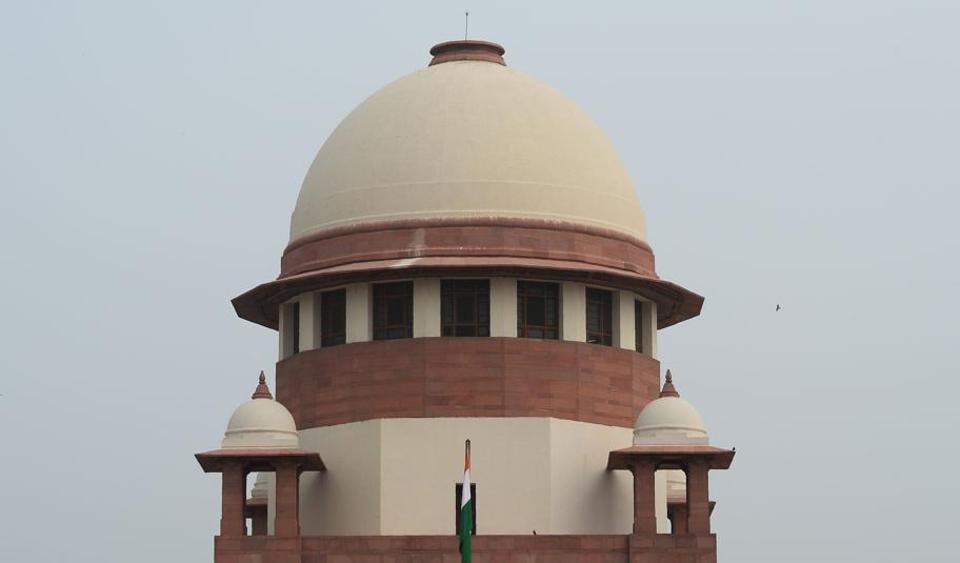
The top court gave its ruling while disposing a bunch of petitions that challenged the 12-digit Aadhaar number saying the biometric-based identity infringed on one’s right to privacy derived from Article 21 of the Constitution dealing with fundamental right to life.
Here is what the four main petitioners, who have been dogged in their fight for right to privacy – have to day about what the court’s verdict means for Aadhaar.
Justice (retired) K S Puttaswamy
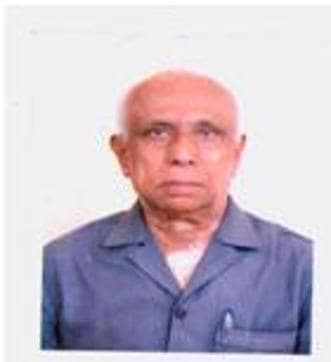
Former judge of Karnataka high court, Justice (retired) K S Puttaswamy was the first to challenge the 12-digit unique identification number Aadhaar in the SC. He argued the biometric-liked ID number infringed one’s right to privacy, which is protected as an intrinsic part of the right to life and personal liberty under Article 21.
Today he is a relived man as the SC had upheld his argument and declared privacy as fundamental right.
“I have been proven right,” the former judge said from his home in Bengaluru. “If legislation (on privacy) is put forward by the Central government, it will solve 90% of the problems, if not all”.
Born on February 6, 1926, Puttaswamy was educated in Maharaja’s College of Mysore and studied law in Government law college , Bangalore. He started practicing as a lawyer in 1951 and was appointed as a judge in Karnataka high court in 1977.
Shanta Sinha
Magsaysay Award winner child right activist Shanta Singh, who is also former chairperson of the National Commission for Protection of Child Rights (NCPCR), challenged the government’s decision to link Aadhaar number with welfare schemes, saying it violated the right to life of the poor guaranteed under the Constitution.
“It is a historic order and will free the vulnerable from clutches of Aadhaar,” she told HT. “I am hopeful that the court will ensure that the poor are not deprived from their entitlements which is crucial for their survival”.
Sinha, 67, runs a non-government organisation, the MV Foundation and is an academician with the Hyderabad Central University. She was the first chairperson of the NCPCR set up in 2007.
Aruna Roy
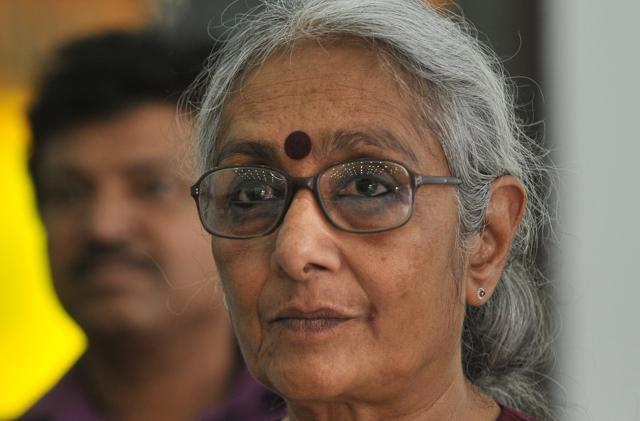
Civil servant turned activist Aruna Roy had challenged biometric collection of residents for Aadhaar saying there were no statutory safeguards and the Unique Identification Authority of India (UIDAI) was putting in jeopardy not only rights and life of people but also national security.
She said the scheme violated fundamental rights of the citizens by making Aadhaar mandatory for seeking benefits under welfare schemes such as subsidised ration, pensions, scholarships and maternity benefits.
“I hope the SC order open eyes of the government and they reverse its decision to link Aadhaar with welfare schemes which has led to exclusion of the poor,” she told HT. “We had presented empirical evidence before the court that a large number of deprived have been denied benefits because of faulty Aadhaar scheme”.
Roy, 71, heads Rajasthan-based Mazdoor Kisan Shakti Sangathan, and was instrumental in framing the Right to Information, National Food Security and National Rural Employment Guarantee laws as member of the Sonia Gandhi-led National Advisory Council. Chennai born Roy quit Indian Administrative Service in 1974 and started civil rights movement in Rajasthan with her husband Bunker Roy.
Dr Major General Sudhir G Vombatkere
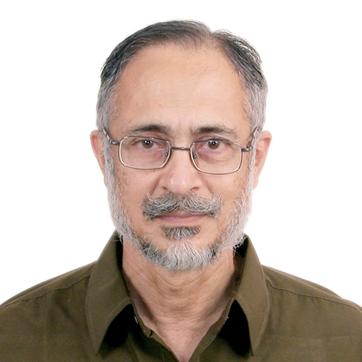
An army man turned activist Vombatkere had questioned Aadhaar saying it gives the government unprecedented powers for surveillance of people through technology without any safeguards for citizens on their personal information. His petition also said linking Aadhaar with Permanent Account Number (PAN) violated article 14 (equality before law) and article 19 (g) (part of fundamental rights giving rights to individuals to practice free trade and profession).
“It is a reason to rejoice for republic of India as privacy is now a fundamental right,” he told HT over phone. “But, it is too early to say whether the ruling will lead to dilution of UIDAI as the petition has to be heard by a three-member bench”.
Vombatkere retired as additional director general, discipline and vigilance in Army headquarters in Delhi, and is adjunct associate professor with the University of Iowa, United States. He was among those who protested against nuclear plant in Kudakoolam in Tamil Nadu.


