
 E-Paper



Russia played tough at G-20 Ministerial, but India managed the outcome document
It is to India’s diplomatic credit that there was agreement in 15 out of 17 paragraphs at the G-20 Finance Ministers meeting in Bengaluru and 22 out of 24 at the G-20 Foreign Ministers meeting in Delhi.

 Prefer HTon Google


Deft diplomacy in times of war in Ukraine and unilateral aggression in the Indo-Pacific is virtually impossible. It is doing a trapeze act without a safety net at times, especially now with the major military powers strongly divided over the Ukraine war. If that was not enough, the Chinese belligerence in the Indo-Pacific and East Ladakh has furthered polarized the world with “no limits” allies on one side and the Anglo-Saxon world on the other, leaving strategically autonomous powers like India trying to bridge what appears now to be a near impossible gap.
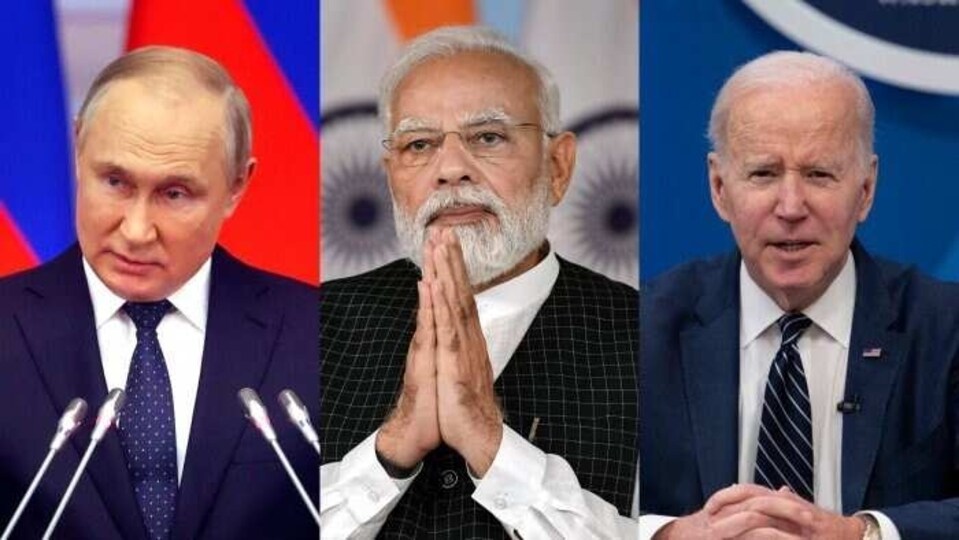
Despite Russian Foreign Minister Sergei Lavrov acting tough on Ukraine war or what Moscow defines as special military operations against Kyviv, the Narendra Modi government has exhibited tremendous nimble-footed diplomacy in getting an outcome document in both the G-20 Finance Ministers in Bengaluru and G-20 Foreign Ministers meetings in Delhi. At a time when Russia has taken a U-turn on the Bali Declaration over Ukraine, the Modi government with the help of a natural ally managed to rescue both the events with outcome documents while putting the differences separately in the summary of the chair. Fact is that G-20 Finance Ministers agreed on 15 out of 17 paragraphs in the outcome document and G-20 Foreign Ministers agreed on 22 out of 24 paragraphs in the outcome document. That India was able to come out with an agreed text itself is an evidence of its credibility and worth in the new world order.
However, with only six months remaining until the G-20 summit later this September, Prime Minister Narendra Modi will have to play full court press on diplomacy to ensure that the New Delhi Declaration spells out a common forward-looking agenda for the good of the Global South also. Foreign Minister Lavrov played the toughie in New Delhi on both Ukraine and QUAD and indicated as if the G-20 summit should be focused on global economic revival and be bereft of political content. While India and China have been on the same page on ending the Ukraine conflict, the Anglo-Saxon west wants to punish Russia for more than yearlong its military misadventure in Ukraine. Russia on its part is equally adamant and believes that it can win the war even though West armed Ukraine is pushing a counter-offensive and contesting the erstwhile superpower.
Under the testing circumstances, Prime Minister Narendra Modi and his team will have to summon all their resources and equity within the major powers to come out with a successful New Delhi declaration. PM Modi has a special and direct relationship with both Russian President Vladimir Putin and US President Joseph Biden apart from other global leaders. The G-20 summit will be a litmus test of these relations.


