
 E-Paper



‘Let us get the facts straight’: S Jaishankar’s comeback to Rahul Gandhi barb
Indian soldiers involved in the bloody clash with Chinese soldiers at Galwan valley were not unarmed but soldiers at the border do not use firearms in faceoffs, Foreign Minister S Jaishankar said in a tweet on Thursday.

 Prefer HTon Google


Indian soldiers involved in the bloody clash with Chinese soldiers at Galwan valley were not unarmed but soldiers at the border do not use firearms in faceoffs, Foreign Minister S Jaishankar said in a tweet on Thursday. Jaishankar’s tweet was a comeback to Congress leader Rahul Gandhi ‘s attack that asked the government to spell out who had ordered unarmed soldiers to go to the standoff point.
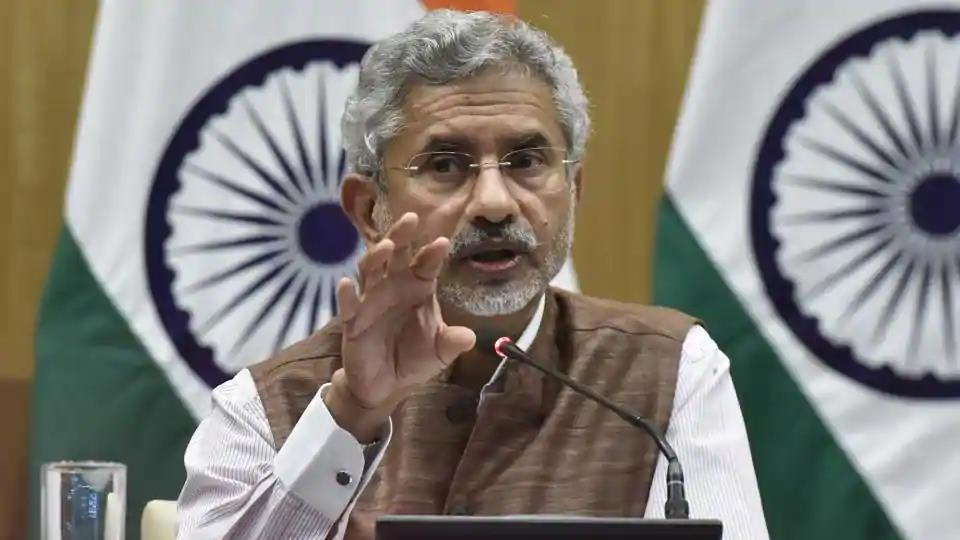
“Let us get the facts straight. All troops on border duty always carry arms, especially when leaving post. Those at Galwan on 15 June did so,” Jaishankar tweeted on the clash. Twenty Indian soldiers laid down their lives in the Galwan clash; China hasn’t revealed any information about their casualties.
Jaishankar added that there was a long-standing practice established in view of two agreements of 1996 and 2005 not to use firearms during faceoffs”.
Rahul Gandhi should have known about it, a senior union minister added later.
The first agreement was signed by the Deve Gowda government that was supported by Congress and the second during the first edition of the Manmohan Singh government.
In the tweet that set off the political row, Rahul Gandhi had tweeted: “How dare China kill our UNARMED soldiers? Why were our soldiers sent UNARMED to martyrdom?”
Rahul Gandhi’s dart - one of the many that he has been flinging at the government through the standoff that started with a brawl last month - quoted an interview by Lt Gen (retired) HS Panag to Hindustan Times.
In this, Lt Gen Panag had claimed that the troops would not have gone unarmed without a clear order. “That means the troops would have been given specific orders,” the retired army officer had said, claiming that this instruction would not have been issued without political clearance.
The bloody clash at Galwan Valley was set off due to the Chinese People’s Liberation Army’s insistence of constructing an observation post at a Indian patrolling point. The post would have helped the Chinese to not only observe Indian troop movement towards Karakoram but also would have had the capacity to interdict army vehicles plying on the Darbuk-Shyok-Daulet Beg Oldi (DBO) road.
Jaishankar, in his conversation with his Chinese counterpart Wang Yi, had underscored that the People’s Liberation Army soldiers had a pre-meditated plan to change the agreed alignment of the Line of Actual Control and push out Indian Army from Patrolling Point 14.
Point 14 is on a ridge that overlooks both the Galwan River Valley and the Galwan Nullah which joins the Shyok river on whose bank India is building the DSBO road. It was set up by the army in 1978.


