E-Paper



‘Sangh accepted by people’: RSS general secretary responds to Kharge’s call for ban
The development comes a day after Kharge called for a ban on the RSS, alleging a link between the organisation and growing law and order problems in India.


Bhopal: Rashtriya Swayamsevak Sangh (RSS) general secretary Dattatreya Hosabale strongly opposed Congress chief Mallikarjun Kharge’s call for banning the organisation, saying that there must be a “reason to ban the RSS” and that the outfit has been accepted by the public.
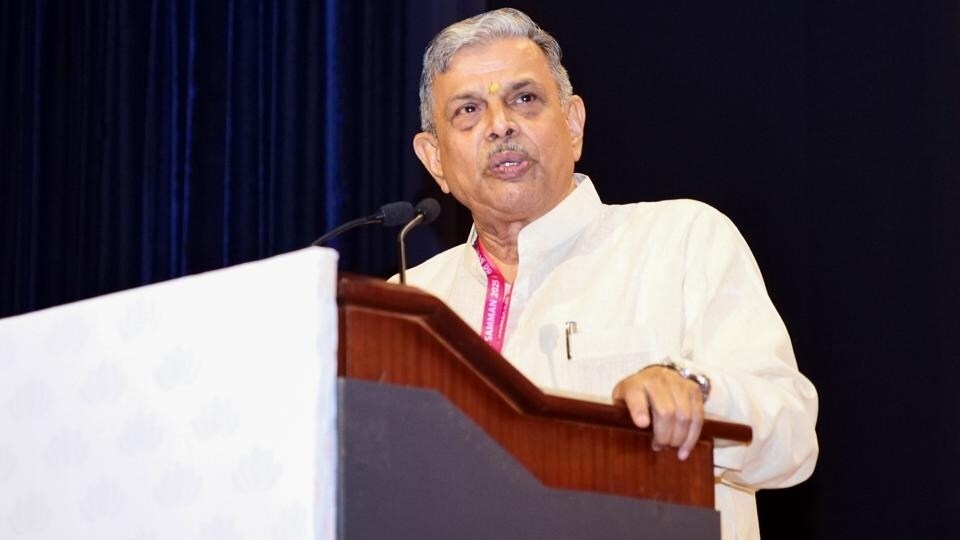
“There must be a reason behind the ban. What will be gained by banning an RSS that is engaged in nation-building? The public has already accepted the RSS,” Hosabale said during the RSS’s All India Executive Board in Madhya Pradesh’s Jabalpur.
The development comes a day after Kharge called for a ban on the RSS, alleging a link between the organisation and growing law and order problems in the country.
Meanwhile, Union home minister Amit Shah also opposed Kharge’s calls for a ban. “He (Kharge) didn’t give any reason. We all know that the RSS is an organisation that has inspired millions of youth like me to make the country a better place. It has instilled values of patriotism and discipline,” Shah said during NDTV’s Bihar Power Play conclave in Patna.
The RSS general secretary called for a population policy to address “demographic imbalances”.
“There are three main reasons for destabilising demography — infiltration, religious conversion, and dominance of one community in the country. Therefore, a population policy is necessary,” he said.
He also said that a caste census should not be “politicised”, further noting that the exercise must “serve the economically and socially backward sections of society”.