
 E-Paper



Sensitise public, police about rights of LGBTQI+ community: NHRC tells Centre
Says acts of violence, extortion and blackmail against the community had increased after the abrogation of Section 377

 Prefer HTon Google


The National Human Rights Commission’s (NHRC’s) Core Group on LGBTQI+ (lesbian, gay, bisexual, transgender, queer and intersex) communities has given various recommendations to the government on how to sensitise the general public, law enforcement agencies and the medical community about the Supreme Court judgements and recently passed laws so that the rights of these communities are safeguarded.
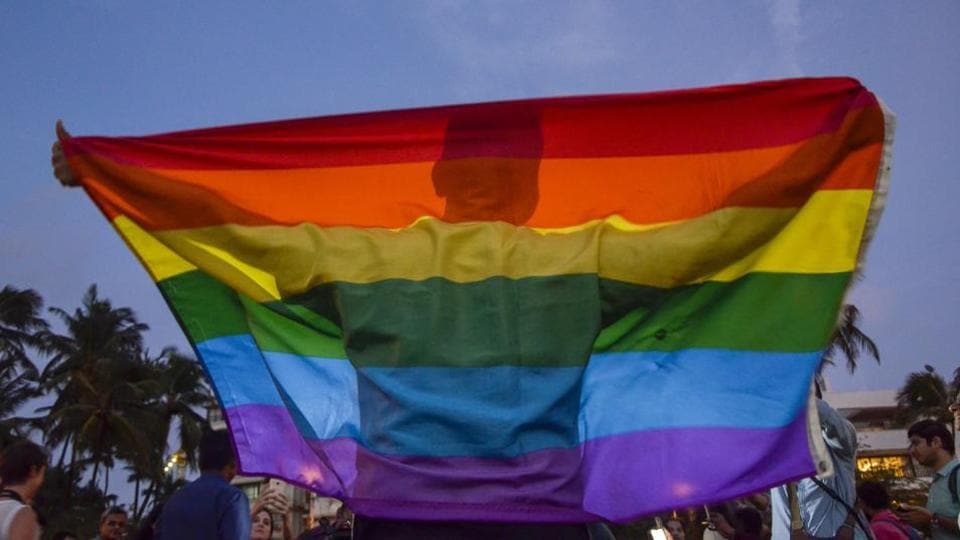
The Core Group, which met last month for the third time since its formation in June 2018, has recommended to the Union ministry of social justice and empowerment that to reduce the stigma of the LGBTQI+ communities, it must spread awareness and popularise the directions given in NALSA 2014 (National Legal Services Authority) and Navtej Singh Johar 2018 judgements, which recognised transgender as the third gender and decriminalised consensual gay sex respectively.
Also read | National Council for Transgender Persons formed
Subsequently, it said, there is a need to sensitise law enforcement agencies towards people belonging to LGBTQ+ community. “Proper advocacy and sensitisation programmes should be organised in ministries, both at Central and state level, including national and state human rights commission, to have better understanding of the issues which this community faces,” according to minutes of meetings of Core Group discussion, reviewed by HT.
It further asks ministries of social justice, labour and skill development to create employment opportunities for transgender community.
Several members of the Core Group pointed out during the meeting that acts of violence, extortion and blackmail against the LGBTQI+ community had increased after the abrogation of Section 377 of Indian Penal Code (the 158-year-old colonial law which criminalised consensual gay sex) by the Supreme Court in 2018.
The members discussed that even though Section 18 of the Transgender Person (Protection of Rights) Act, 2019 provides for penal offences, it clubs acts ranging from discrimination, coercion, boycott, abuse and physical violence in one group. “The provision appears to confuse distinct civil and penal offences, namely, discrimination, domestic violence, sexual harassment, sexual violence, and none of these offences are defined in the law,” according to the minutes of the Core Group discussion.
It has been recommended that Transgender Person Act “must not resort to merely extend the application of the existing penal provision but define the atrocities meted out against them with specific and equal punishments as enumerated in Section 3 of the Scheduled Castes and Scheduled Tribes (Prevention of Atrocities) Act, 1989.”
“Strict and mandatory laws against forced sex reassignment surgery and conversion therapy should be formulated. Introduce horizontal reservations within caste, tribe and other categories of reservation for transgender persons in furtherance of the NALSA judgement,” the Core Group suggested.
For ministry of health, it was recommended that Indian Medical Association (IMA) should train medical practitioners for medical examination of transgender persons and sensitise them regarding sex, gender, sexuality and self-identity. It asked that an advisory to all medical students be issued to train them about health issues of these communities.
Issues pertaining to unavailability of shelter homes, food and housing facilities and violence against transgender both outside and inside the community; serious lack of understanding of LGBTQI+ community among the general population; lack of education; and lack of understanding with regards to community’s varied range of health and mental health also came up during the discussion.
NHRC’s Core Group on LGBTQI includes Ashok Row Kavi (chairman founder, The Humsafar Trust), Laxmi Narayan Tripathi (trangender rights activist), Dr. Piyush Saxena (founder, Salvation of the Oppressed Eunuchs), Harish Iyer (advisory board, MINGLE), Anjali Gopalan (founder & executive director, Naz Foundation), Anand Grover (senior advocate, Supreme Court of India), and Rudrani Chettri (Mitr Trust).


