
 E-Paper



Shiv Sena factions move courts against speaker’s verdict in disqualification pleas
While the Thackeray faction moved the Supreme Court against Narwekar declaring as the “real political party” the bloc headed by Shinde, the latter challenged the speaker’s decision to not disqualify 14 Shiv Sena (UBT) legislators before the Bombay high court

 Prefer HTon Google


New Delhi/Mumbai: Both factions of the Shiv Sena have legally challenged the Maharashtra assembly speaker Rahul Narwekar’s recent verdict in a batch of petitions seeking disqualification of rival camp’s legislators under the anti-defection law. While the Uddhav Thackeray-led faction moved the Supreme Court against Narwekar declaring as the “real political party” the bloc headed by chief minister Eknath Shinde, the latter challenged the speaker’s decision to not disqualify 14 Shiv Sena (UBT) legislators before the Bombay high court.
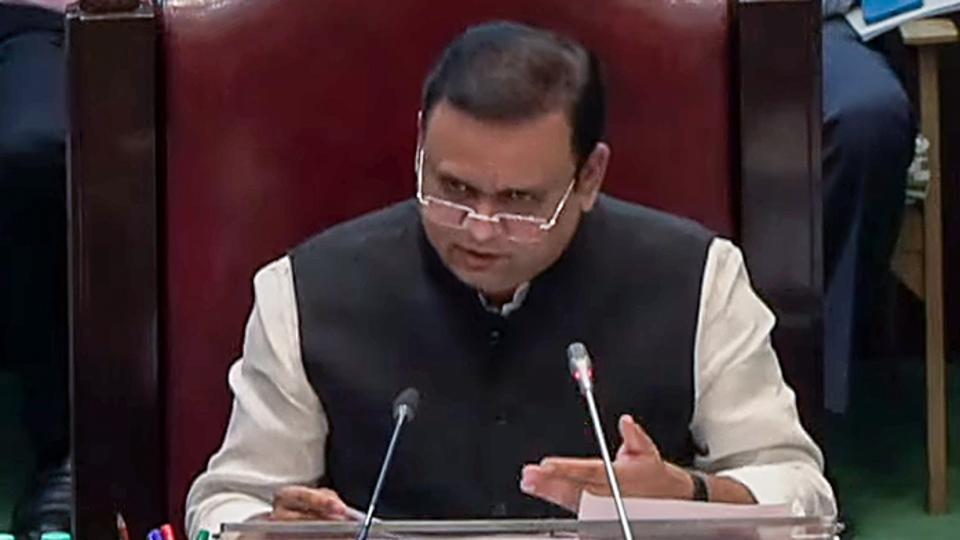
On January 10, Narwekar ruled that Eknath Shinde’s party was the real Shiv Sena and turned down demands to disqualify either faction’s lawmakers, marking a significant victory for the ruling coalition in the fractious battle for control of the regional outfit.
The faction led by Thackeray, in a petition filed by its chief whip Sunil Prabhu in the apex court on Monday, described the speaker’s January 10 verdict as “colourable” exercise of power based on “extraneous and irrelevant” considerations. On the other hand, Bharat Gogavale, the chief whip of the Shinde-led Shiv Sena, filed petitions in the high court on January 12, challenging the “legality, propriety and correctness” of the verdict and sought the court to declare the ruling as “bad in law”, quash it and disqualify all 14 MLAs of the Shiv Sena (UBT) from the state assembly.
“The finding that the group which enjoyed support of a majority of legislators represented the political party effectively amounts to bringing back the concept of ‘split’ under the erstwhile para 3 of the Tenth Schedule [of the Constitution], which had been consciously omitted from the Tenth Schedule,” the petition filed by the Thackeray faction said.
The Shiv Sena (UBT) named Shinde as the sole respondent without making speaker or the rebel MLAs as parties to the petition and sought an urgent listing of the matter. “The order (of the Speaker) is a complete colourable exercise of power and is based on extraneous and irrelevant considerations,” it said, pointing out how the verdict went against the May 11, 2023 decision of the top court which left it to the speaker to decide on disqualification pleas.
In its May 2023 judgment, a Constitution Bench of the Supreme Court held: “The Speaker must not base their decision as to which group constitutes the political party on a blind appreciation of which group possesses a majority in the Legislative Assembly. This is not a game of numbers, but of something more.”
This is in the teeth of the judgment of the top court, the petition filed through advocate Nishanth Patil said. “Despite the direction of this Court, the Speaker has based his decision on who the political party is, only on ‘legislative majority’ of the ‘Shinde faction’.”
In the pleas before the high court, Gogavale said that on July 3, 2022, he had issued a whip to all Shiv Sena members to vote in favour of the Shinde-led government for the confidence motion in the assembly on July 4, following a split in the party.
However, the 14 legislators of the Thackeray faction not only violated the whip, but also voluntarily gave up the membership of the “Shiv Sena political party” by their acts and omissions, the petitions said.
The petitions argued that since Narwekar, in his January 10 order, has held Shinde represents the “real” Shiv Sena and that Gogavale was the legally appointed chief whip of the party, the speaker should have disqualified the 14 Sena (UBT) legislators.
The pleas said the final order passed by the speaker “erroneously concludes that the grounds as raised by petitioner (Gogavale) are mere allegations and assertions on the part of the petitioner.”
The pleas further said that the conclusion by Narwekar was “ex facie illegal and cannot be sustained”.
The high court is likely to take up the matter on January 22.
Reacting on the developments, speaker Narwekar said: “My verdict was not to please or hurt anybody, but it was according to the constitutional provisions and the Supreme Court guidelines given in its verdict. Any aggrieved party is free to move court, but it should prove that the ruling was illegal, or unconstitutional...”


