
 E-Paper



Social media ban or simmering anger: What led to Nepal PM KP Oli's resignation
KP Oli resigned amid violent protests, which began over social media ban, and spiralled into a larger agitation over several issues, including corruption.

 Prefer HTon Google


The protests in Nepal intensified on Tuesday as protestors entered the Nepalese Prime Minister's office calling for his resignation despite the government lifting the ban on social media in a late-night decision.
The protestors set the ruling party offices, Prime Minister KP Oli's residence and several other prominent buildings on fire as the agitators defied curfew and clashed with the police, a day after 19 people died in violent protests.
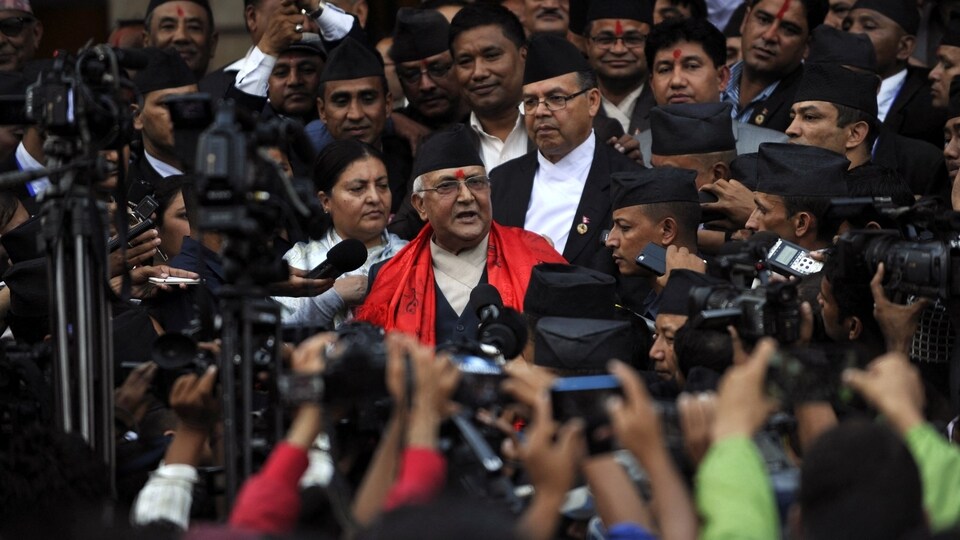
In the face of intensifying protests and growing calls for accountability for Monday's fatalities, KP Sharma Oli resigned on Tuesday.
Follow latest updates on Nepal protests
Oli was sworn in as Prime Minister for the fourth time to lead a coalition government in July last year. The leader of the Communist Party of Nepal-Unified Marxist Leninist has remained in the top post for the majority of the last decade.
The move comes after an emergency meeting of all political parties was called earlier today. The Nepal Army chief also told Oli to step down so that the army can be able to curb the protests.
Why did KP Oli resign?
KP Oli's resignation comes a day after the protests, led by Gen Z over social media ban, in Nepal intensified, leading to the death of at least 19 people and injuring over 100.
Though the social media ban ignited the massive protests, there was simmering anger and unease over deep-seated corruption, joblessness, and the wealth gap. The anger, which began with the ban on 26 social media platforms, did not take long to simmer into a larger movement against corruption and freedom of expression in the country.
Monday's police crackdown in Kathmandu was one of the deadliest days in the country's recent history, with several leading publications blaming Oli for mayhem and called for his resignation.
Also Read: Nepal after Bangladesh, Sri Lanka: Gen-Z anger in India's neighbourhood causes major upsets
The Kathmandu Post, in an editorial published on Monday, blamed the prime minister "for a near-complete disregard of public opinion" and said that the government considers Gen Z as people "unworthy of being heard".
The protests, which was largely centred around Kathmandu, also reached Damak in eastern part of the country, which happens to be Oli's ancestral house. The protestors in Damak hurled stones at his ancestral house and the police had to fire warning shots to control the situation on Monday.
In a list bid to damage control, Home Minister Ramesh Lekhak resigned hours after the violent police crackdown. However it was too late.
Protestors demanded Oli's resignation, saying the Home Minister's exit was not sufficient.
“Home Minister's resignation is not enough, the Prime Minister should take the responsibility and resign,” a protester said, according to ANI.
The next day angry protestors set fire to the private residences of President Ram Chandra Poudel and the Nepal Prime Minister. Videos on social media showed protestors roaming through the President's house and vandalising it.


