
 E-Paper



Supreme Court cites Article 142 in Chandigarh poll verdict. What does it mean?
The CJI Chandrachud-led bench said Supreme Court must step in where exceptional situations develop to ensure basic mandate of electoral democracy is preserved.

 Prefer HTon Google


The Supreme Court on Tuesday nullified the outcome of the January 30 Chandigarh mayoral polls, overturning the initial result of the BJP candidate's victory and instead declared the AAP-Congress candidate the rightful winner.
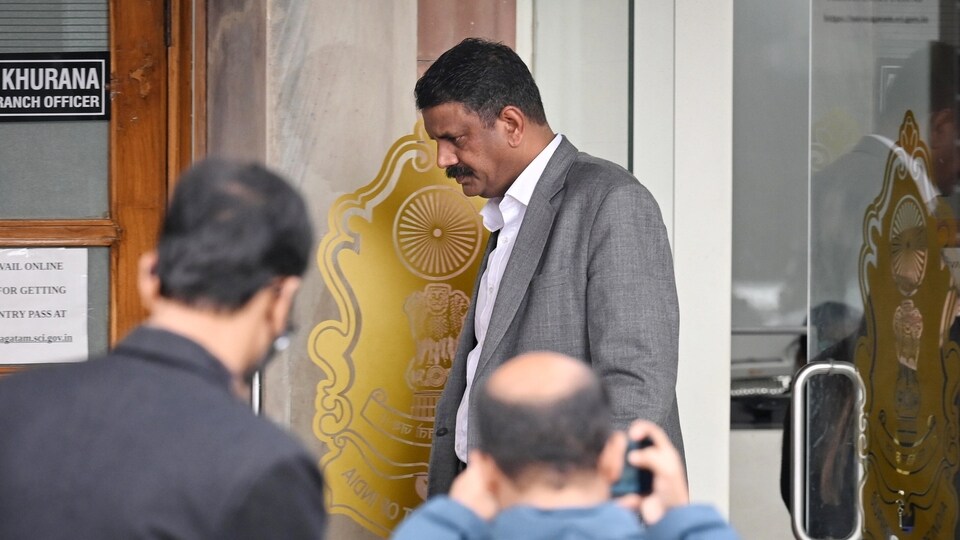
The court invoked its plenary power under Article 142 of the Constitution to ensure "complete justice", saying that the returning officer's announced result was clearly in violation of the law.
ALSO READ- Chandigarh mayor polls: What Supreme Court said in its verdict?
The bench, comprising Chief Justice D Y Chandrachud and justices J B Pardiwala Manoj Misra stressed its duty to prevent subterfuge from undermining the electoral process.
The bench said the court must step in where exceptional situations develop to ensure that the basic mandate of electoral democracy is preserved.
ALSO READ- ‘Masih just a pawn': Rahul Gandhi on Supreme Court's Chandigarh poll verdict
What is Article 142?
Article 142(1) of the Constitution bestows the Supreme Court with extraordinary authority to ensure "complete justice" in situations where existing laws or statutes may lack adequate remedies.
How does Article 142 give unique power to the Supreme Court?
• In 2017, the Supreme Court utilised Article 142 to transfer the Babri Masjid case, defining the broad scope of its power. It said the Latin maxim 'fiat justitia ruat caelum' (Let justice be done though the heavens fall) encapsulates the essence of Article 142.
• The court said Article 142(1) grants it a distinctive power not found in the Government of India Act, 1935, or any other global constitution.
• It empowers the court to ensure complete justice, ultimately concluding the legal dispute between the parties.
• The Article contradicts the traditional equity principle that follows the law, making it a unique provision.
• The Supreme Court, while moulding relief, can deviate from strict legal applications based on the peculiar circumstances of each case. Article 142 allows the court to relax the application of law or entirely exempt parties from legal rigours during the process of delivering justice.
• It empowers the court to ensure complete justice when deemed necessary.
• Despite its expansive power, the Supreme Court clarified in a 2023 ruling that Article 142 is not universally applicable and may not be invoked in every case.


