
 E-Paper



Trade, start-ups, agro-tech, focus of Israeli PM Netanyahu’s India visit
A free trade agreement and a direct Air India flight to Tel Aviv are also likely to be discussed as are global issues — from the Shia-Sunni divide in Middle-East to the nuclear threat posed by countries such as North Korea


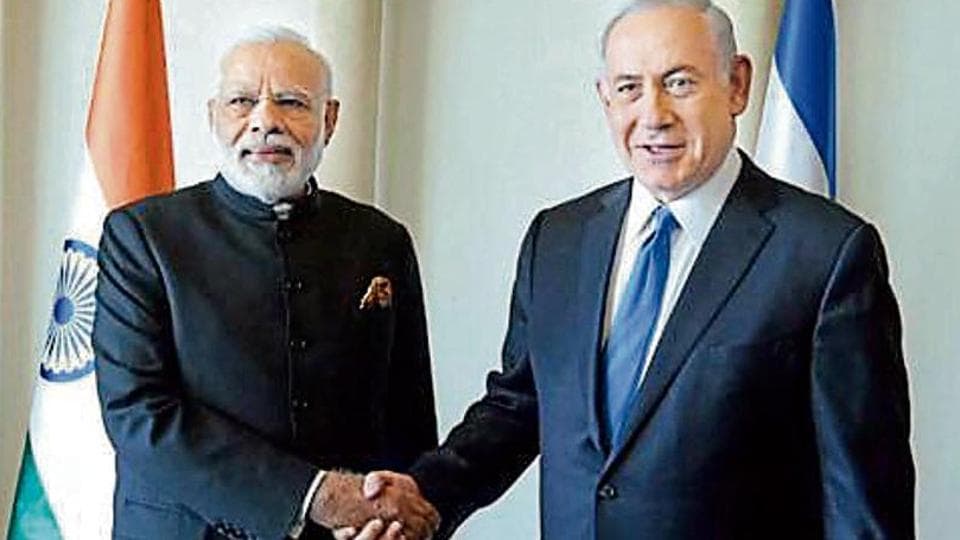
Increasing bilateral trade to $10 billion from the current $4 billion, providing more play for Israeli start-ups in India, technologies aimed at increasing agricultural productivity, and portable desalination plants for use in parched areas — these are likely to be the focus areas of talks during Israeli Prime Minister Benjamin Netanyahu’s five-day visit to India.
Meanwhile, the two countries are working out the way forward on a cancelled $500 million order for Spike anti-tank missiles. The missiles were to be made by a joint venture between Israeli Rafael Systems, Bharat Dynamics Limited and Kalyani Systems, but India’s defence ministry cancelled the order.
According to Israeli and Indian diplomats familiar with the matter, Prime Minister Narendra Modi will receive Netanyahu on January 14 at New Delhi, and possibly host a private dinner hosted at 7, Lok Kalyan Marg for the visiting dignitary. The official meetings and the India-Israeli CEOs forum, which will be attended by top defence equipment manufacturers from Israel, including Rafael, Elbit and IAI systems is scheduled for January 15. The Israeli Prime Minister and his wife Sara are to visit the Taj Mahal on January 16 and also tour some historical monuments in Delhi. Netanyahu is to visit Gujarat on January 17 along with Prime Minister Modi and pay a visit to Gandhi Ashram, Icreate Technologies (built on the Israeli innovation concept) and the Agriculture Centre for Excellence. Netanyahu will fly out of Mumbai on January 18 after a trade-oriented business meeting in Mumbai.
“The visit of Netanyahu is part of India’s aim to mainstream the bilateral relationship between the two countries as Israel is key to all of West Asia. The first words spoken to Prime Minister Modi by his Israeli counterpart when the former landed in Israel in 2016 was, “What took you so long?” While the defence hardware relationship will continue discreetly on the side, the focus will be on using the Israeli start-up concept to create more jobs, and on technologies to increase agriculture productivity and address growing drinking water requirements in India,” said an Indian top diplomat.
A free trade agreement and a direct Air India flight to Tel Aviv are also likely to be discussed as are global issues — from the Shia-Sunni divide in Middle-East to the nuclear threat posed by countries like North Korea, according to the diplomats. The two countries will also discuss sharing of intelligence on terrorist groups targeting both India and Israel.
The Israeli Prime Minister is also keen to use his India trip to bolster his country’s relations with other countries in South Asia. Israel is already keen to establish diplomatic ties with Bhutan..


