
 E-Paper



Cabinet reshuffle: Union council design with an eye on social engineering, polls
The new team is being built in the run-up to the state elections early next year including in Uttar Pradesh. It will be in line with the ruling party’s outreach to the socially and economically deprived sections


The Union council of ministers, which will be expanded with the swearing-in of new entrants this evening, is expected to have more representation from socially and economically backward communities, of women and people with administrative and legislative experience, people aware of the matter said.
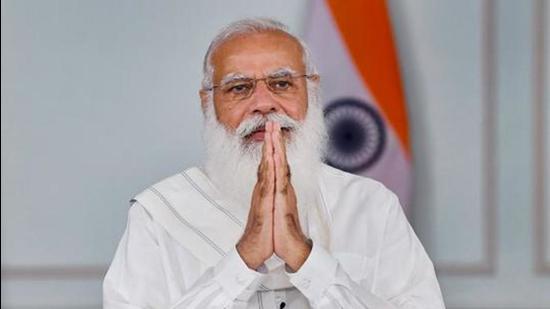
At 6pm, the expansion will take place at the Darbar Hall of the Rashtrapati Bhavan. The new team is being built in the run-up to the state elections early next year including in Uttar Pradesh. It will be in line with the ruling party’s outreach to the socially and economically deprived sections. The sections are the key to the Bharatiya Janata Party (BJP)’s social engineering strategy.
As the government is keen to walk the talk on inclusivity, the council is likely to have 12 ministers from Scheduled Caste communities from states such as Tamil Nadu, Rajasthan, Karnataka, Uttar Pradesh, Madhya Pradesh, West Bengal. Two of them are likely to be Cabinet ministers.
From the Scheduled Tribe communities, eight representatives from Arunachal Pradesh, Jharkhand, Chhattisgarh, Odisha, Assam, and Madhya Pradesh are likely to be inducted. Three of these are likely to be Cabinet ministers. Also, 19 members from Other Backward Class (OBC) communities will be sworn in too. Five of these OBC members are expected to be Cabinet ministers.
The council is also likely to have five members representing the minority community from five states. Of these, one each is likely to be from the Muslim, Sikh, and Christian communities. Two ministers are expected to be Buddhists. Three of the ministers from minority communities are likely to get Cabinet berths.
The new council of ministers is also expected to have 11 women of which two will be Cabinet ministers. At present, Nirmala Sitharaman and Smriti Irani are Cabinet ministers.
In line with the BJP’s effort to promote younger people, the council will have an average age of 58 against the current 61. Fourteen ministers are expected to be below 50 which includes six Cabinet ministers.
According to people aware of the details, the selection of ministers has also been done with the intent of bringing on-board people with administrative experience as the government has faced criticism including over the state of the economy, job crisis, rising prices, and the response to the second Covid-19 wave.
Consequently, 46 ministers with experience of being in the central or state governments will be included. People aware of the details said 23 ministers have been Members of Parliament for three or more terms, bringing in over a decade of legislative experience. The new council is also expected to have four former chief ministers and 18 former state ministers. It will have expertise from across professional sectors. On-board will be 13 lawyers, six doctors, five engineers, seven civil servants, three with MBA degrees, and seven with PhDs.
Among the states going to the polls next year, Uttar Pradesh, Gujarat, and Manipur will have representation in the expanded council of ministers. From Uttar Pradesh, , which sends the highest number of lawmakers to the Lok Sabha, the representation will be from regions including Poorvanchal, Awadh and Bundelkhand.


