E-Paper



‘Shaken to core’: Survivor recounts narrow escape from Uttarakhand flash floods
Furqan Ahmed, who was airlifted from Harsil to Uttarkashi on Thursday, said he could not contact his family in UP for two days to tell them he was alive

 Prefer HTon Google


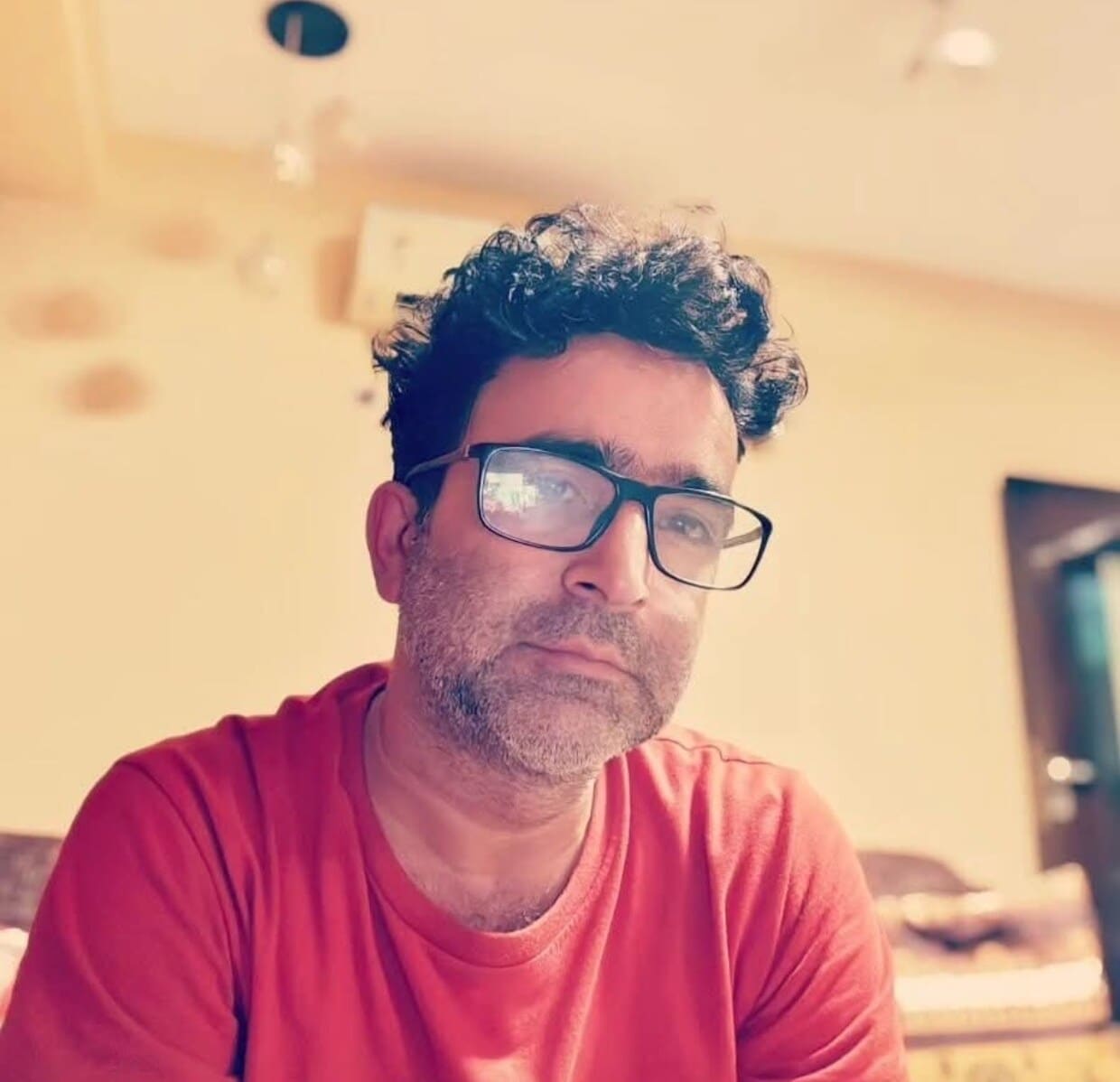
Furqan Ahmed, 31, was waiting for his friends at Dharali’s market when flash floods ploughed through the Uttarakhand village, sweeping away people and buildings. Luckily for him, he was in his car, which he managed to accelerate in a split second, to live to tell the tale. A video showing him speeding up the vehicle to escape the deluge has gone viral on social media.
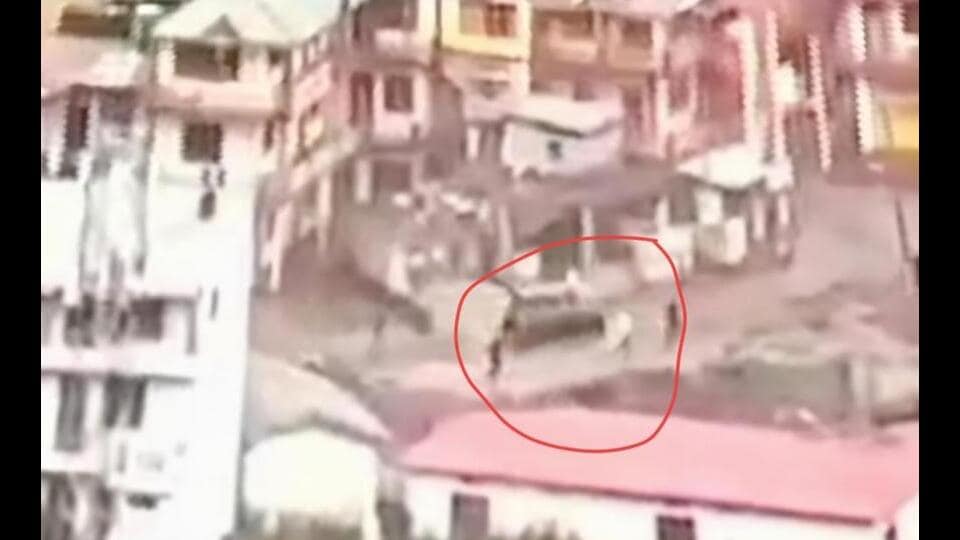
Ahmed said his friends, Furkan Chota, Salman Khan, and Yogesh Kumar, had gone to buy food barely 20 feet from the vehicle when he suddenly saw everyone running. “I shouted, asking the three to run. There was no time for them to run towards the car and board it. They started running. And I sped up the vehicle.”
Also read: ISRO’s before and after satellite images reveal flash floods destruction in Uttarkashi's Dharali
He said he realised he was barely a few metres away from the deluge. “Nearly 30 to 40 metres away, I stopped the vehicle to check where my friends were, but there was no trace of them, and the rest of the market was gone. Within a minute or so, debris flow restarted, and I sped my vehicle again and left the area, shaken to the core,” said Ahmed, who worked as a welder nearly two kilometers from the market. “I do not know how I survived. I barely escaped death by a few seconds and a few metres. It all happened so fast, and everything was gone. Had I waited a few seconds more, I would have died.”
Ahmed, who was airlifted from Harsil to Uttarkashi on Thursday, said he could not contact his family in Uttar Pradesh’s Bijnor for two days to tell them he was alive. “It was only after I reached Uttarkashi that I could contact them. And they were all sobbing. It took them some time to believe that I am alive. It was here [Uttarkashi] I saw the viral video in which I am seen speeding up the vehicle to escape the deluge.”
Ahmed said he would not leave Uttarkashi until he found out what happened to his friends. “I think 60 to 70 people were washed away. People from Saharanpur [Uttar Pradesh], Haridwar, Dehradun [Uttarakhand], Nepal, and Bihar worked in Dharali. I also know two welders from Saharanpur who are missing.”
Ahmed said almost the entire Dharali market has vanished as if it never existed. “After the deluge, huge debris filled the area, covering the collapsed houses, hotels, and other structures. Some hotels and houses that were on the periphery of the market are also filled with debris. Dharali has become a graveyard of sorts.”
Ahmed said he went to a mosque to pray, hoping that his friends would be found soon. “I do not know how to face their families. I prayed for all those who have been affected by this tragedy. I barely survived by a few seconds, and I can understand what the families of the missing people must be going through…The Army and other rescue agencies are searching for bodies there, but it is all debris.”
Ahmed said they would go to the market often to buy essentials and kill time. “Now it has just become a graveyard of memories.”