
 E-Paper



Vijay Mallya extradition approved by UK home secretary, he can appeal
UK home secretary Sajid Javid has signed an order to extradite Vijay Mallya, who is wanted in India to face charges of financial irregularities running into thousands of crores of rupees, even as those with knowledge of the developments said on Monday the beleaguered liquor tycoon had 14 days to appeal the decision.

 Prefer HTon Google


UK home secretary Sajid Javid has signed an order to extradite Vijay Mallya, who is wanted in India to face charges of financial irregularities running into thousands of crores of rupees, even as those with knowledge of the developments said on Monday the beleaguered liquor tycoon had 14 days to appeal the decision.
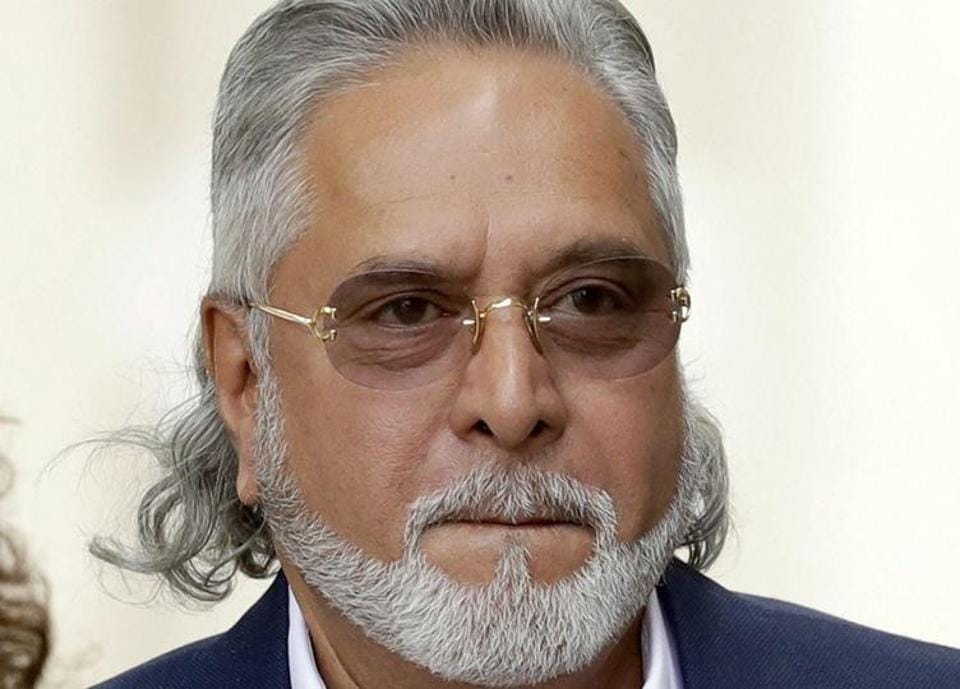
The UK government’s order comes almost two months after the Westminster Magistrates’ Court upheld India’s evidence against Mallya and cleared his extradition. Delivering the verdict on December 10, the judge in the case said it was the “start of a long process”. The UK home secretary had two months from the date of the ruling to sign Mallya’s extradition order. On Monday, the home office in London confirmed that Javid signed Mallya’s extradition order on Sunday. “On February 3 the Secretary of State, having carefully considered all relevant matters, signed the order for Vijay Mallya’s extradition to India,” a UK home office spokesperson said.
“Vijay Mallya is accused in India of conspiracy to defraud, making false representations and money laundering offences,” the spokesperson added.
Shortly after the statement was released, Union home minister Arun Jaitley welcomed the UK order. “Modi Government clears one more step to get Mallya extradited while Opposition rallies around the Saradha Scamsters,” he tweeted.
An Indian official familiar with the developments said India has taken note of UK’s decision. “While we welcome the UK government’s decision in the matter, we await the early completion of the legal process for his extradition,” the official said on condition of anonymity.
Mallya has 14 days from the date of signing of the order to appeal in UK’s high court, a senior Enforcement Directorate (ED) said, asking not to be named.
The 63-year-old is on bail on an extradition warrant executed by Scotland Yard in April 2017 after Indian authorities brought fraud and money laundering charges amounting to Rs 9,000 crore against the former Kingfisher Airlines boss. The Central Bureau of Investigation (CBI) and the ED have launched probes against him over allegations levelled by a consortium of 17 banks that provided loans to the now-defunct airline.
“It is good news, a victory for the industry… This will send a strong message that one can no longer befool banks and abscond. Credit goes to the Indian government,” a senior executive at a Delhi-based bank that was one of the members of the consortium said, requesting anonymity.
Mark Summers, the lawyer representing India at last year’s court hearing, accused the 63-year-old of “three chapters of dishonesty” in previous hearings: misrepresentations made to banks to secure loans, what was done with the loans, and what he and his companies did when banks recalled the loans.
Mallya said soon after the ruling by Chief Magistrate Emma Arbuthnot in London that he would consider the verdict in detail and decide his next course of action. His legal team later said he was planning to file an appeal against the court order.
Delivering a summary of the 74-page judgment, Arbuthnot had highlighted the failings of Indian banks while lending to Mallya and his companies, and said the four grounds on which the businessman opposed the extradition had failed. The four grounds were lack of a prima facie case, risk to human rights in Indian jails, abuse of process, and extraneous considerations.
“There was no evidence which allowed me to find that if extradited Mallya was at real risk of suffering a flagrant denial of justice,” the judgment said. “In the light of the decisions outlined above, I am sending Mallya’s case to the Home Secretary of State for a decision to be taken on whether to order his extradition,” it concluded. According to British law, the home secretary needs to grant approval for all extradition requests.
Sarosh Zaiwalla, founder of leading British legal firm Zaiwalla & Co, said after the verdict that the process in the court of appeals alone could take five or six months. “Should this also go against him, he could apply for the right to appeal to the Supreme Court, which would involve at least another six weeks, and if he won the right to do so, that could take more months, even up to a year,” he said.
He added that ultimately the case was with the government but it would not be able to overturn a court judgment on the extradition.
(With inputs from agencies)


