
 E-Paper



Virus outbreak at Bengaluru’s Bannerghtta park kills 7 leopard cubs
Blood tests conducted in the zoo’s laboratory confirmed the presence of the Feline Panleucopenia virus in the deceased leopard cubs

 Prefer HTon Google


Bengaluru
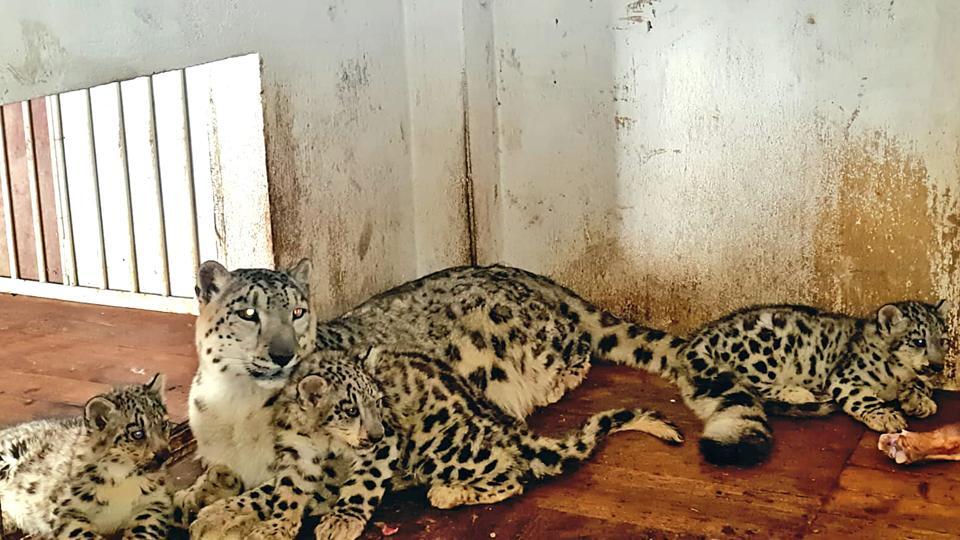
Seven leopard cubs, all aged between three and 10 months died due to Panleucopenia virus at Bannerghatta National Park in Bengaluru, officials said on Monday. The virus Feline Panleucopenia virus is commonly found in cats.
According to the officials, the outbreak first emerged on August 22 among the park’s leopard cubs. By September 5, seven of them died.
Recently, a leopard safari was introduced at Bannerghatta Park, releasing nine leopard cubs into the safari area. While three of these leopard cubs succumbed to the infection, the other four cubs died at the rehabilitation centre, officials said.
The infected leopard cubs were rescued from different areas, including Biligirirangana Hill, Mysore Zoo, and Maddur, before being brought to the rehabilitation centre at Bannerghatta Biological Park. After treatment, they were later released into the safari area. Four cheetah cubs under the care of the rehabilitation centre fell victim to the virus, officials said, adding that currently, there are 80 leopards at the centre.
Blood tests conducted in the zoo’s laboratory confirmed the presence of the Feline Panleucopenia virus in the deceased leopard cubs.
“We took immediate precautions to prevent the virus from spreading to other animals,” Bannerghatta biological park executive director Surya Sen told HT. He said the virus, when contracted, leads to a reduction in white blood cells, accompanied by vomiting and diarrhea. Isolation and treatment are initiated once these symptoms manifest, with anti-viral medication, glucose, and booster doses being administered. “Stringent cleanliness measures have been adopted, with bleaching powder scattered throughout the park. Cages are also burned to eliminate any traces of the virus.”
Surya Sen explained that all precautionary measures have been diligently implemented, with guidance from specialists veterinary Dr Ansar Kamran, Dr Upendra, Dr Veeregowda, and others. Booster doses have been administered to tigers and lions as a protective measure. With these efforts, the infection has been successfully contained.
The Bannerghatta Animal Rehabilitation Centre houses 80 leopards, with measures in place to prevent infected leopards and their caretakers from interacting with other animals, officials said.
This virus primarily spreads through cats, both feral and domestic. Infected animals exhibit digestive problems and dysentery, with a notable decline in white blood cells leading to exhaustion. Strict measures were swiftly employed upon the disease’s discovery on August 22, and with adherence to guidelines from the Bannerghatta health advisory committee, the infection has been contained. Out of a total of 12 infected wild animals, four leopard cubs and one lion cub have successfully recovered after treatment, officials said.
In light of the Nipah outbreak in Kerala, Bannerghatta Biological Park has been placed on high alert. The park is being disinfected twice daily, with the monitoring of bats entering the premises. Entrance and exit areas have been equipped with disinfectant solutions, and preparations are underway to introduce thermal scanning for tourists in the near future.


