
 E-Paper



You may now have to surrender your cylinders: Why India’s new LPG rule may require switching fully to PNG
A household cannot keep both LPG and PNG connections at the same time, as per govt guidelines.

 Prefer HTon Google


The Centre has tightened rules on domestic cooking gas use in India. Households that have both LPG cylinders and PNG (piped natural gas) connections will now have to choose one. In most cases, if PNG is active, the LPG cylinder connection must be surrendered.
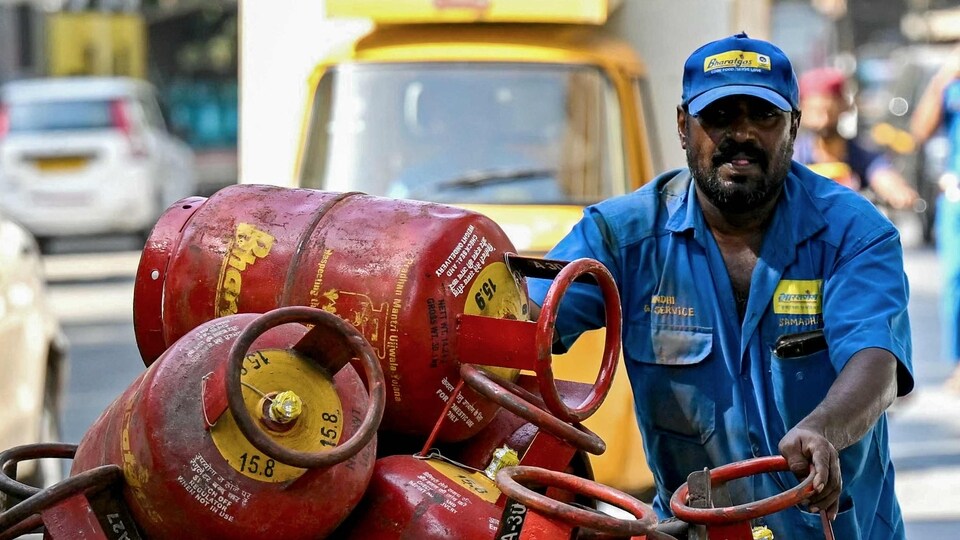
This rule is being enforced under the ministry of petroleum and natural Gas and has legal backing, meaning oil companies must follow it.
What is the new rule?
- A household cannot keep both LPG and PNG connections at the same time.
- If PNG is installed and in use, the LPG cylinder connection must be surrendered.
- LPG refills may be stopped for households already using PNG.
- Oil companies are directed not to issue LPG connections in such cases.
Why is this being done?
The government says the decision is linked to global energy pressure.
Key reasons:
- India imports most of its LPG and natural gas.
- Supply routes in West Asia, especially the Strait of Hormuz, face risks in the face of US-Israel’s war on Iran. Disruptions in this region can affect fuel availability and prices in India.
To manage this, the government is trying to:
- Reduce duplicate fuel access in the same household.
- Prioritise LPG for homes without PNG.
- Push PNG as a more stable pipeline-based system.
What is PNG and why is it preferred?
PNG (piped natural gas) is supplied through pipelines directly to homes.
Compared to LPG cylinders:
- It does not require cylinder delivery logistics.
- It is less affected by import/shipping disruptions.
- It is considered more stable in urban supply systems.
Because of this, the government is encouraging more households to shift to PNG where available.
Nearly 50% of natural gas is imported, while about 88% of crude oil comes from abroad. When global supply chains are disrupted, prices rise and supply becomes uncertain.
There is 100% LPG supply for domestic consumers, and there is currently no shortage of gas at any LPG distributor, the government has confirmed.
About 95% of LPG cylinder deliveries are being carried out through the Delivery Authentication Code (DAC) system. In the last two days, 87.28 lakh cylinders were delivered against 88.82 lakh bookings. Sales of around 15,900 tonnes of commercial LPG and 876 tonnes of auto LPG were also recorded.
How is the rule being enforced?
Enforcement has already begun:
- Gas companies are identifying households with both connections.
- Users are being asked to verify records.
- Some households are being instructed to surrender LPG cylinders.
- LPG distributors have been warned not to service dual-connection users.
Reports also suggest thousands of consumers have already surrendered LPG after switching to PNG.
What happens if you don’t comply?
Authorities may stop LPG refills, disconnect LPG connections or impose penalties in some cases.
What should consumers do?
- Check if your LPG connection is linked to your mobile number.
- Verify your status on official gas portals or apps.
- If PNG is active, coordinate with your distributor to surrender LPG.
- Ensure your records are updated to avoid service disruption.


