
 E-Paper



Zero tolerance against hoarders of essential items during curfew, lockdown: Govt
The ministry of consumer affairs, food & public distribution listed essential commodities in a statement, which include food items and medicines - along with those to treat Covid - oxygen supply and hygiene products.


The Centre on Monday directed all the states and union territories (UTs) to follow a "zero tolerance" approach against hoarders of all essential commodities in order to ensure their supplies are maintained amid the imposition of curfew and lockdown in several parts of India due to a surge in coronavirus disease (Covid-19) cases. The ministry of consumer affairs, food & public distribution listed essential commodities in a statement, which include food items and medicines - along with those to treat Covid - oxygen supply and hygiene products.
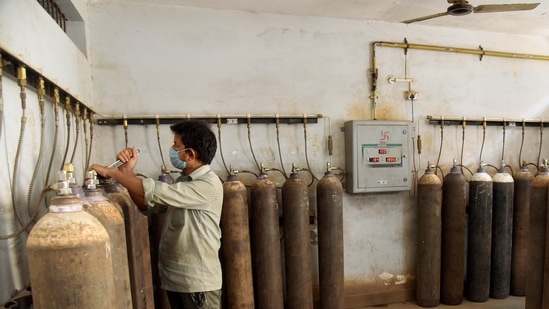
The decision was taken at a meeting which the Centre held with principal secretaries of the department of food and consumer affairs of the states and UTs, according to a statement issued by the ministry.
During the meeting, Nidhi Khare, the additional secretary of the ministry reviewed the price situation and availability of essential commodities across the country. States and UTs were also informed about the arrivals and prices of these commodities in different mandis in their respective areas.
The Centre asked the states to ensure that prices of the commodities should not increase and they should be available at fair prices. Joint teams of food and civil supplies, legal metrology controllers, food safety, health and police may be brought in states, UTs and at the district level too for surveillance to avoid a demand or supply mismatch, the consumer affairs ministry said in the statement.
The state governments have the authority to act against such ‘unscrupulous’ traders and hoarders for maintaining supplies of essential commodities, the ministry said. They are given the power under Section 3 of the essential commodities act, 1955 to control production, supply, distribution etc of the commodities, it added.


