
 E-Paper



These LS polls have changed the rules of how polls are fought
You may like or dislike the outcome, you may be young or old, you may have voted or chosen to abstain, but there is a remarkable consensus around these polls: India has never seen an electoral battle like 2014. What the 16th Lok Sabha election has done is change the rules of how polls are fought.


You may like or dislike the outcome, you may be young or old, you may have voted or chosen to abstain, but there is a remarkable consensus around these polls: India has never seen an electoral battle like 2014. What the 16th Lok Sabha election has done is change the rules of how polls are fought.
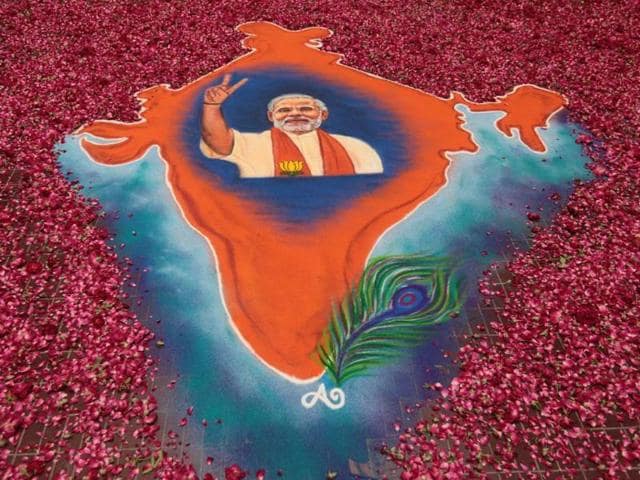
For one, there was one central figure in this election: Narendra Modi. From Jammu to Kanyakumari , from Nagaland to Gujarat, the BJP gambled on turning this poll into a presidential one. A voter was not electing his MP as much as his PM. Jawaharlal Nehru in the 50s, Indira Gandhi in the 60s and 70s, and to some extent, Atal Bihari Vajpayee in the 90s did dominate the poll landscape. But never has an entire election through this diverse land, across geographies and communities, focused so extensively on a single individual.
And it was through innovative mediums that this message of the man in the reckoning was projected. The electronic media has been a feature – to varying degrees – in the past few elections. But there is now an unprecedented proliferation, with over 400 news channels beaming to every corner of the country. There was relentless live coverage of rallies, often provided by parties themselves and TV debates through the day entrenched the cast of characters in the popular consciousness.
But the real story was the expansion of the way political communication took place with the use of new technology. It was not just TV and print, but 2014 marked by the debut of the social media. Leaders took to Twitter and Facebook, communicating directly, cutting out intermediaries like the traditional media platforms. Through 3D and Hologram, Modi was present in multiple locations virtually, giving a sense of novelty to audiences across the country and making them a part of his campaign.
The party that communicated better and more innovatively succeeded. All of this also made it arguably the most expensive election ever in India’s history.
But while leadership and communication were distinct features, the nature of the discourse was disappointing. Personal attacks and acrimony marked the campaign. It often descended to rhetoric, which polarised communities on religious and caste lines as substantive issues took a back-seat. The dream of development, governance, empowerment and prosperity was sold by all parties in the fray. But rarely were these terms defined.
And finally, this election will also be remembered for the way it changed traditional categories of identity.
With education, urbanisation, a commonality in material aspirations, and upward mobility, the individual agency of voters is becoming more important. Ideological battles will have to be redefined if actors have to stay relevant. The Indian polity will now have to catch up with the changes in Indian society.


