
 E-Paper



5 Must-have decor elements for comfort and a better mood at home
I’ve always believed small details shape how a home feels. Textiles, lighting, scents and textures work together to create comforting, mood-friendly interiors.

 Prefer HTon Google


A home becomes a home only when it feels inviting. With growing screen dependencies, a demanding work culture and overstimulating lifestyles, bringing a little calm into our spaces has never been more important. Thoughtful placements and simple design choices can encourage a natural mental reset, turning interiors into a space that supports well-being. It isn’t only about hiring an expert, though that can help, but about intentionally increasing the mental reset value of your home for a better lifestyle.
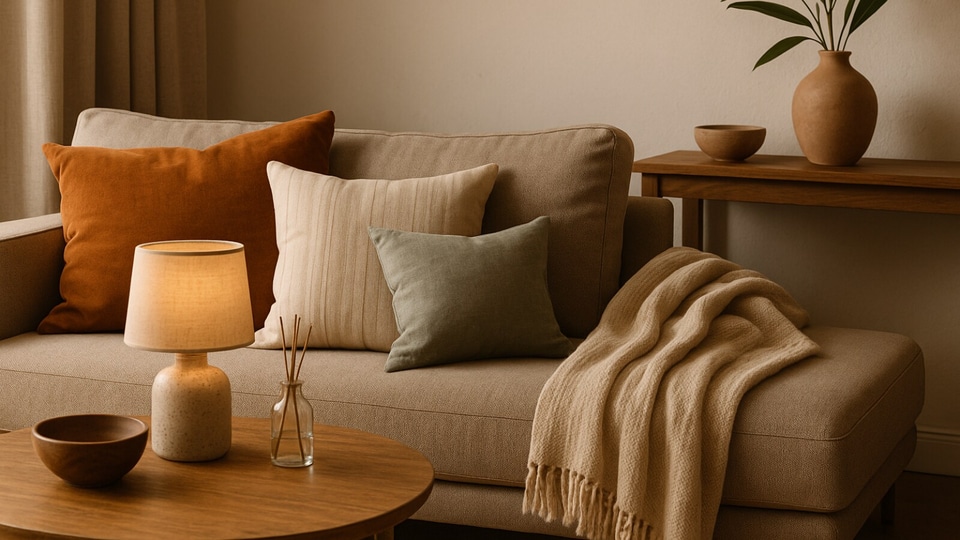

Beyond sight: Why sensory design matters
Good design is not just about what you see. The way a fabric feels under your hand, the scent that greets you as you enter a room, or even the soft hum of calming background sounds all shape how comfortable a space feels. A sensory-friendly home can quietly lower stress levels and help you feel more relaxed after a long day. It is also a way to express your personality, creating rooms that feel personal and comforting. Indian homes have always valued harmony, and this approach simply builds on that idea in a modern context.
Simple fabric ideas to make rooms more inviting
Using different fabrics is an easy way to bring warmth and visual depth to any space. A mix of fabrics can instantly change how a space feels, breaking the stiffness of furniture and making it look more inviting. Here’s how you can use them effectively:
- Mix textures – Pair velvet or silk cushions with handloom cotton or linen for a layered, visually rich look.
- Play with patterns – Combine a bold print with solid cushions to avoid monotony and keep it balanced.
- Layer throws and blankets – A light woven throw casually draped over a sofa or bed adds comfort without looking too styled.
- Switch with seasons – Richer fabrics for winter and light weaves for summer keep the mood fresh and in tune with the weather.
Lighting that sets the mood
Lighting shapes how a room feels far more than most people realise. It can highlight decor elements, create depth and change the mood instantly. A well-lit home isn’t about bright lights everywhere but about thoughtful layers. Try these ideas:
- Use three layers – Ambient lighting for general brightness, task lighting for focused areas and accent lighting to highlight art or decor elements.
- Choose warm tones – Soft, warm bulbs create a cosy glow that feels welcoming.
- Add decorative fixtures – Lanterns, fabric-shaded lamps, or even carved wooden lamps double as decor elements.
- Make it flexible – Dimmable options let you adjust the intensity, shifting from lively to calm as needed.
How fragrance changes the feel of a room
Scent has the power to change how a room feels the moment you step in. A soft whiff of sandalwood, jasmine or citrus can instantly lift the mood and make a space feel comforting. Keep it subtle so it feels inviting rather than overwhelming.
- Choose natural scents – Essential oil diffusers, artisanal candles or natural potpourri work beautifully.
- Match scents to the mood – Lavender or sandalwood for calm, citrus for freshness, jasmine for a gentle uplifting feel.
- Place them smartly – Entryways, coffee tables or shelves with good air flow spread fragrance evenly without feeling too strong.
Textured walls for depth and interest
Flat walls can make a room feel plain, while texture adds instant depth and character. Even a single textured wall can change how a space feels, giving it a more layered and designed look.
- Try subtle textures – Linen-effect wallpapers, lime wash finishes or distressed paint add richness without feeling heavy.
- Highlight key walls – Use texture behind a bed, sofa or dining table to create a focal point.
- Keep it balanced – If one wall has strong texture, keep the rest simple to avoid visual clutter.
Organic shapes that soften a room
Curved, natural forms can balance the sharp lines of furniture and add a sense of calm. Pieces with smooth, rounded edges feel less rigid and naturally draw the eye, making a space feel more welcoming.
- Choose soft shapes – Vases, bowls or sculptures with rounded edges work well.
- Mix natural materials – Ceramic, smooth stone, or wood add warmth and invite touch.
- Place with intent – Use them on side tables, open shelves or consoles to guide the visual flow and add subtle sculptural interest.
What’s the first thing you’d change in your space if you wanted it to feel calmer and more inviting? A soft throw, a warm lamp or maybe a soothing scent? Small details like these have a big impact. Textiles add depth, lighting shapes the mood, natural fragrances relax the mind, textured walls add richness, and organic shapes bring softness. With a few thoughtful changes, your home can feel like a place that truly helps you reset and enjoy everyday life.
Similar articles for you
Why vintage decor is making a comeback: Textile museum designer Ravisha Merchant weighs in
Best mattresses for a peaceful and comfortable sleep; Here are our top 8 picks for you
Mattress matters: Find your dreamy match made in heaven; Nap like a champ!
Sensory design tips: FAQs

The author of this article holds a Master's Degree in Interior Design and has spent over a decade in research, teaching, and designing homes from scratch.
Disclaimer: At Hindustan Times, we help you stay up-to-date with the latest trends and products. Hindustan Times has an affiliate partnership, so we may get a part of the revenue when you make a purchase. We shall not be liable for any claim under applicable laws, including but not limited to the Consumer Protection Act, 2019, concerning the products. The products listed in this article are in no particular order of priority.


