
 E-Paper



Designing workplaces that heal and empower: Top design trends for offices that support mental wellness and inclusivity

 Prefer HTon Google


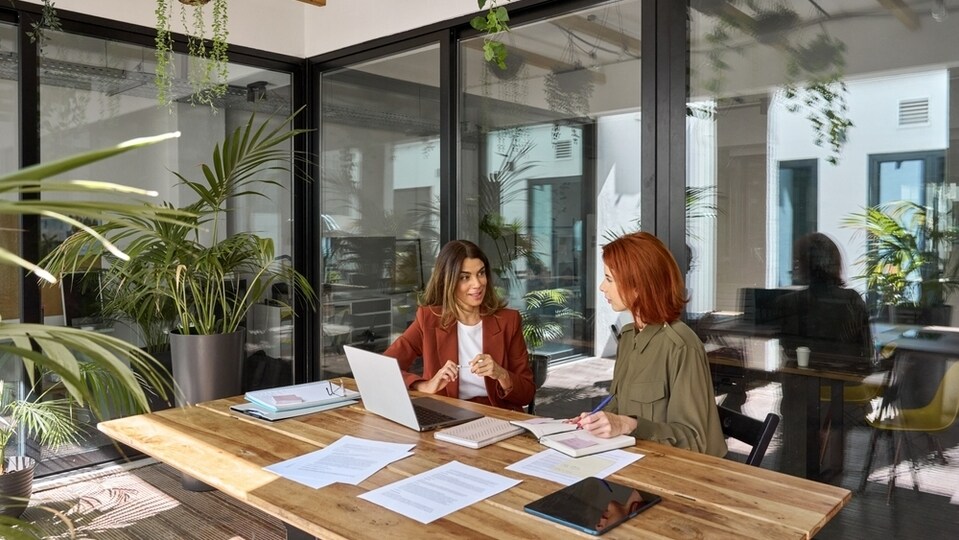
Productivity can be achieved when one feels mentally calm with a sense of belonging at work. This can be done with the help of thoughtful workplace design.
Productivity is essential for employee performance and overall output of work. But productivity is a cumulative result of focus, mental wellbeing, physical comfort and social belongingness, all of which are shaped by the workplace design. It helps to bring the best to work every day. And in general as well, for both job and life satisfaction, workplace design should be in tune with employee wellness, as they spend the lion’s share of their waking hours in these spaces.
HT Lifestyle reached out to experts who share key design elements that enhance employee well-being, encourage collaboration and create inclusive workplaces.
4 designs that promote mental wellness
Sapna Khakaria, Principal Architect at The Canvas, shared these 4 key design elements that address mental wellness by fostering calm and comfort:
1. Regenerative biophilic spaces
- Regenerative biophilic design prioritises health and sustainability. It includes passive cooling, daylighting, and breathable materials like clay plasters, stone dust composites, and terracotta fins that create comfortable, toxin-free environments.
- These natural elements improve air quality and thermal comfort while supporting the planet through recyclability. The result is an office where employees feel refreshed and connected to nature.
2. Calming, earth-toned colour schemes
- Earth-inspired palettes like sage, basalt and sand offer grounding and serenity.
- Using volatile organic compound (VOC)-free mineral-based paints, earth pigments, and plant-based binders ensures these hues are both safe and sustainable. These choices foster calm and focus, helping teams thrive in visually harmonious surroundings.
3. Comfortable, circular collaboration zones

- Collaboration spaces are reimagined for comfort and sustainability.
- Upcycled upholstery and curved forms replace rigid furniture, reducing waste and encouraging interaction.
- Tactile finishes and soft acoustics further enhance these zones, making them both welcoming as well as environmentally responsible.
4. Intelligent, eco-friendly lighting and sensory design
- Lighting is designed for performance and preservation.
- Natural daylight is maximised with energy-efficient LEDs, and motion controls are used wherever required.
- Sensory elements like curved biomorphic forms, breathable acoustic panels from recycled cellulose and natural tactile finishes promote calm, focus, and flow.
Inclusive designs that make queer communities feel seen beyond pride month
While Pride Month may be coming to an end, truly inclusive workspaces go beyond the symbolic gestures of badges and rainbow flags. Workplaces need to implement accessible designs that make the queer people feel seen, heard and respected. Kunal Sharma, Founder & CEO at Flipspaces, shared with HT Lifestyle that inclusive workplaces are moving toward DEI‑first design. For the uninitiated, DEI stands for Diversity, Equity, and Inclusion, a framework that makes the spaces more accessible for everyone.
He explained, “We’re in the midst of a powerful shift toward DEI-first design. Prayer rooms, gender-neutral restrooms, nursing spaces and accessible layouts are becoming the norm, creating spaces where everyone truly feels they belong. Neuro-inclusive design is gaining momentum, too. Sensory-friendly corners, calming colours, flexible lighting, and adaptable seating help support a wide range of minds and working styles.”
Suvrat Jain, Founder and CEO of Onward Workspaces, shared with HT Lifestyle how modern offices are becoming more human-centric, recognising all needs with empathy and acceptance. Neuro-inclusive design is one of the main aspects of this shift, bringing in support for diverse cognitive and sensory needs as well.
Suvrat said, “True inclusivity starts with recognising that people perceive and process environments differently. That’s where neuro-inclusive design comes in, intentionally supporting diverse cognitive and sensory needs, including those of individuals with ADHD, autism, anxiety, or different communication styles. The rise of gender-neutral restrooms, sensory-friendly zones, and co-created DEI spaces marks a cultural shift, not just a trend.”


