Sign in

Mysore pack: Inside a museum of gilded paintings

A businessman has spent nearly four decades collecting Mysore-style paintings. His 600 works are now housed in an old home converted into a museum.

Updated on: Jun 21, 2024, 20:33:44 IST
By
Share
Share via
  • facebook
  • twitter
  • linkedin
  • whatsapp
Copy link
  • copy link
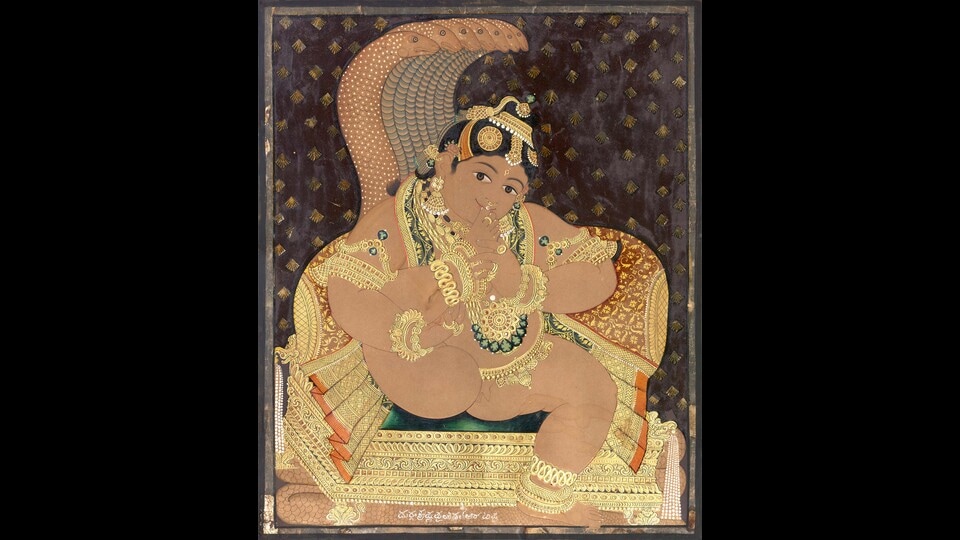
A painting of Bala Mukunda or the child Krishna, from 1892. The rotund toddler was thought to symbolise health and wealth in the royal court of Mysore. (Courtesy Ramsingh Museum)
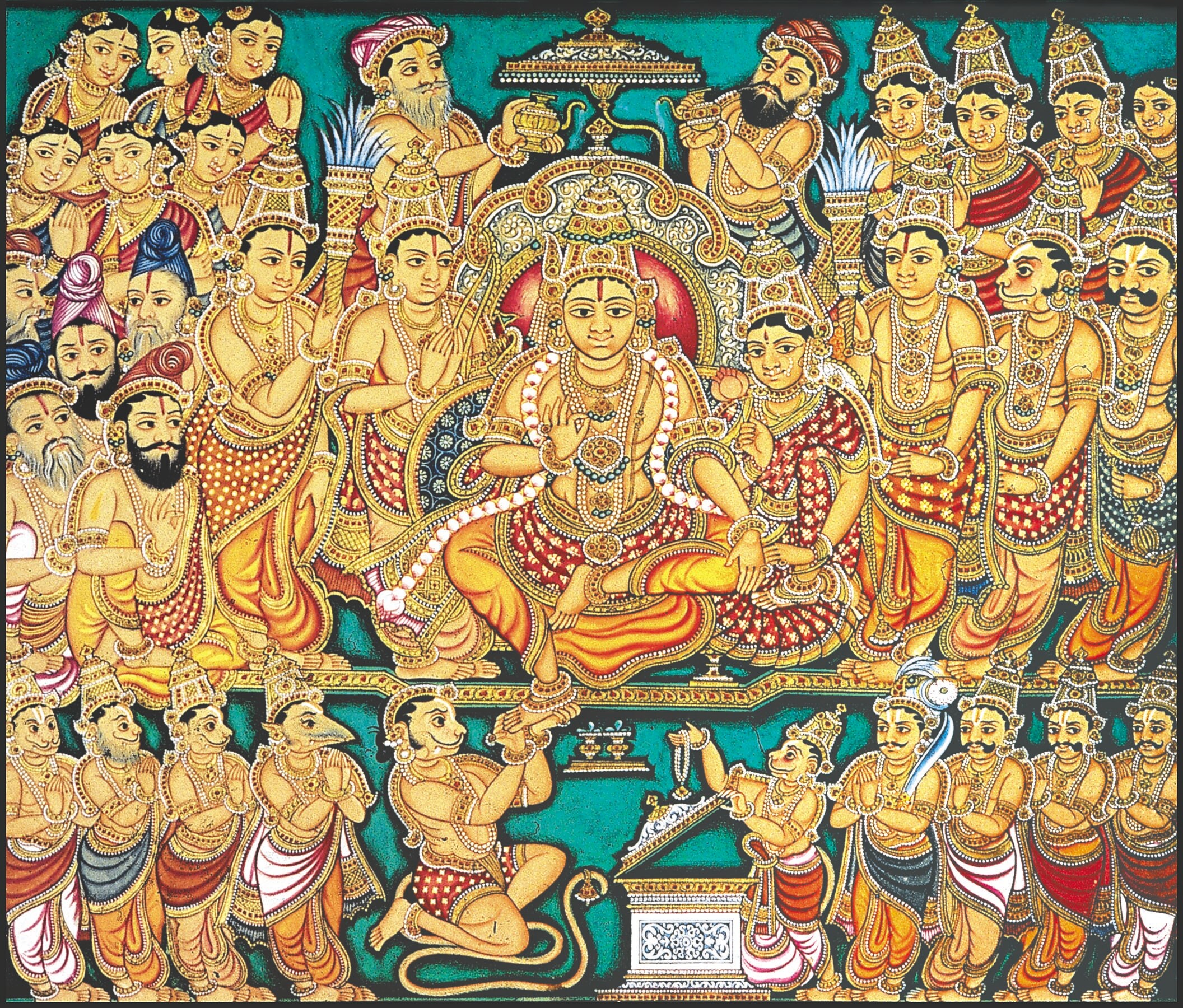
Typically tinged with gold, these canvases depict deities and, sometimes, imposing rulers. Seen above is the Ramapattabhisheka or the coronation or Rama. (Courtesy Ramsingh Museum)
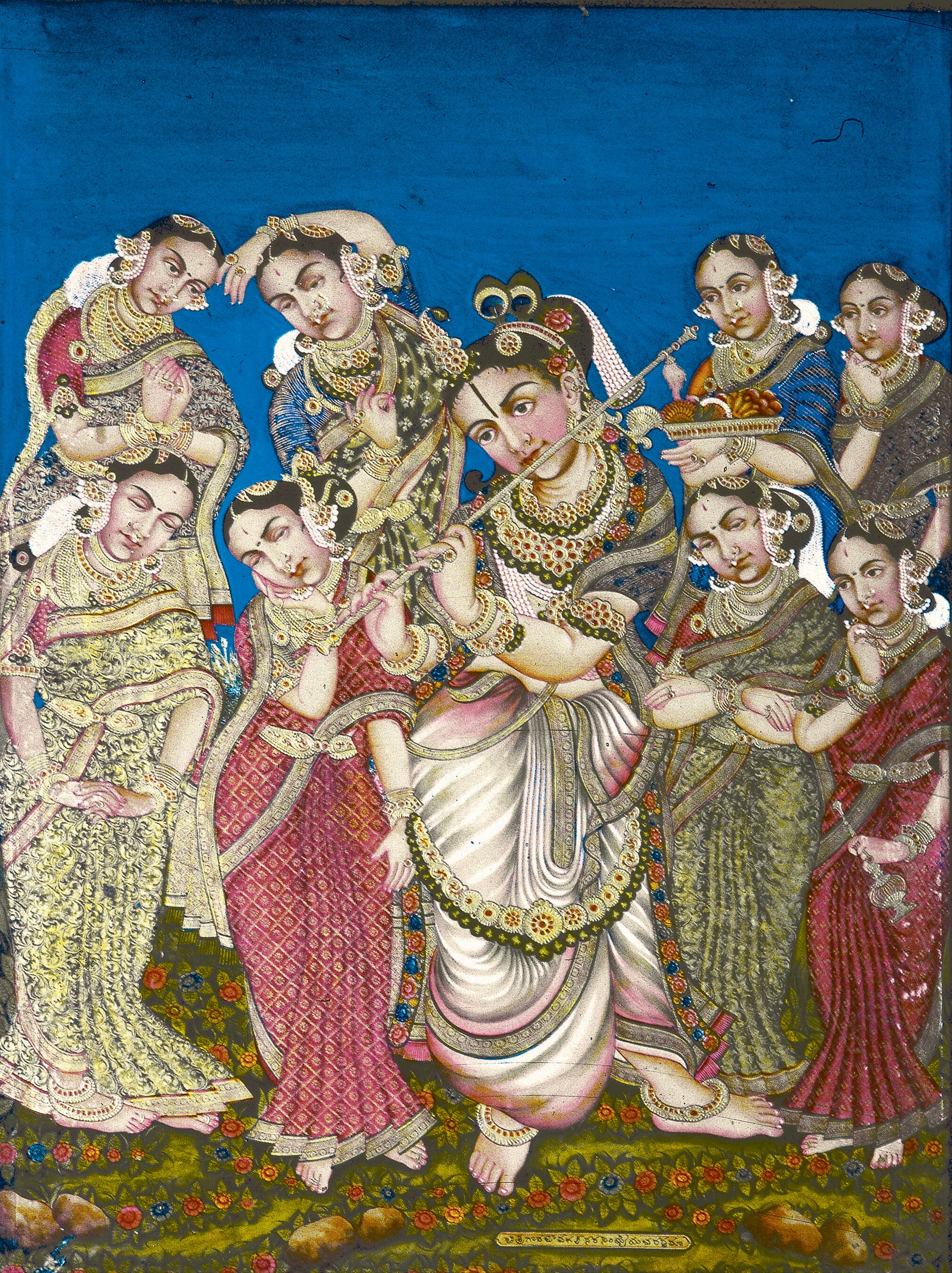
Mysore paintings are characterised by figures with oval faces, almond-shaped eyes and protruding chins, often designed to bear a resemblance to the Wodeyar kings themselves. Above, a depiction of Krishna with his eight consorts. The different avatars of Krishna, Vishnu and Devi are commonly portrayed in these paintings. (Courtesy Ramsingh Museum)
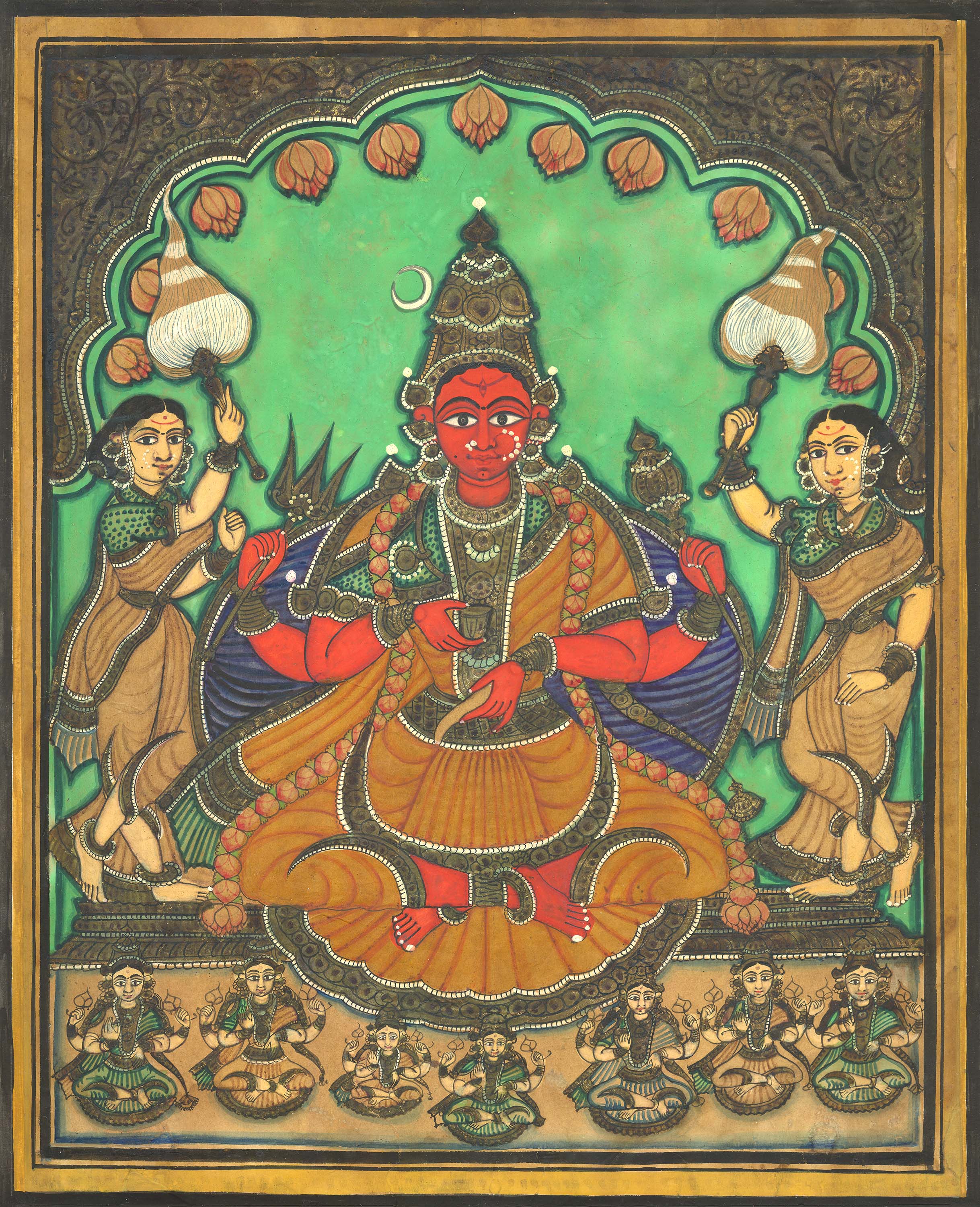
This style of paintings was initially created out of a demand for home shrines. At the time, deities for worship were primarily in the form of sculptures, which were too big for family shrines. Seen above is a painting of Bagalamukhi, one of the 10 forms of Devi. (Courtesy Ramsingh Museum)
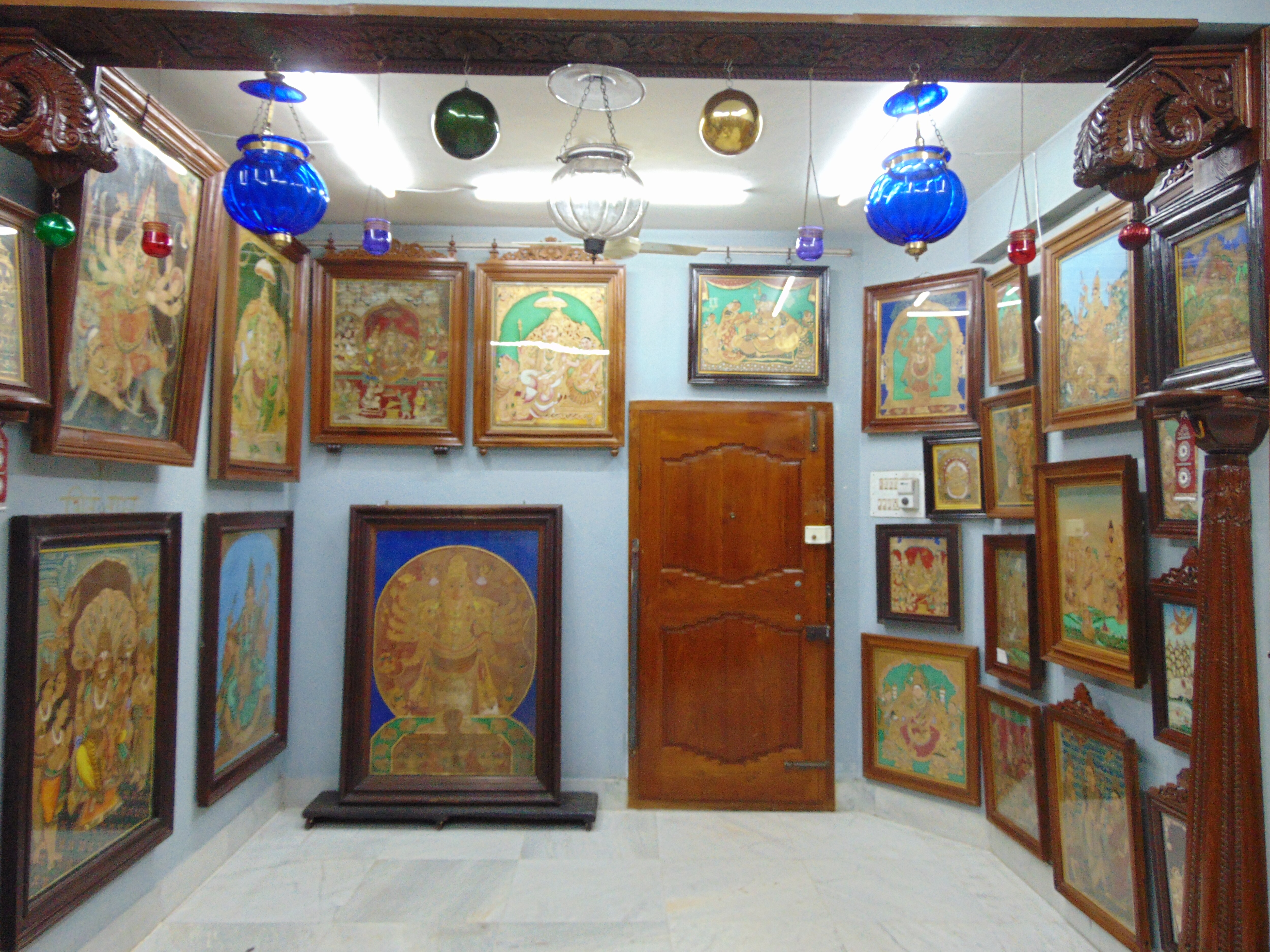
A view of one of the galleries. The museum is named after Singh’s late father, who bought him the house in which it sits. (Courtesy Ramsingh Museum)
Catch your daily dose of Fashion, Taylor Swift, Health, Festivals, Travel, Relationship, Recipe and all the other Latest Lifestyle News on Hindustan Times Website and APPs.