
 E-Paper



Red for obsession, yellow for adultery: What flower hues mean around the world

 Prefer HTon Google


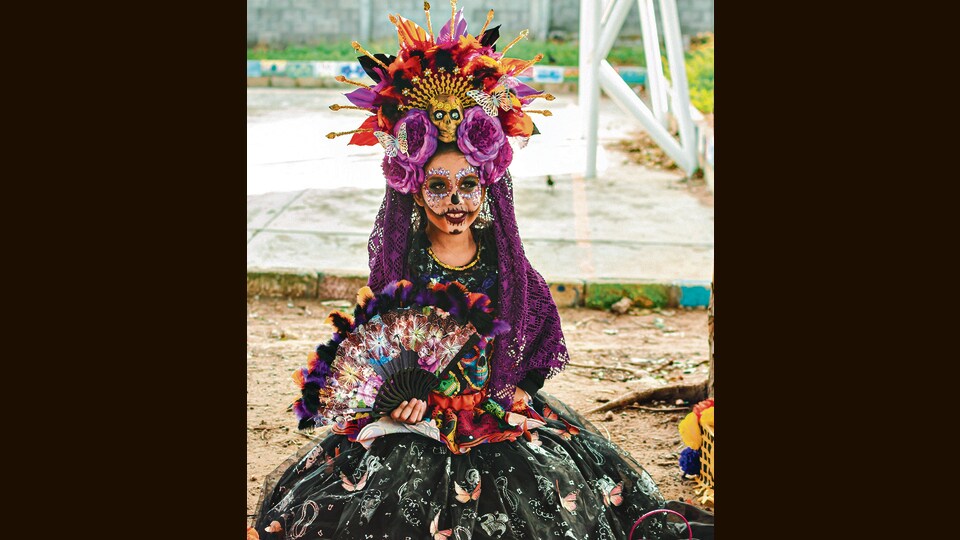
Yellow roses in Germany can hint at adultery. In the US, they simply mean ‘I miss you’. Adam Jacot de Boinod has a lot more. In this week’s Capital Letters.
Flowers can be used to express a range of emotions: love, obsession, anger, even hatred and ill will.
It usually boils down to the colour of the blooms. Amid Diwali celebrations, with garlands of marigolds covering portals across India, let’s look at the shades one by one.
White is almost universally not a good idea, unless one is actually going to a funeral.
Red roses should be avoided too, unless one is aiming to silently profess deep love. Particularly in the Western world, these flowers are seen as far too personal a token; turn up with them more than once and you risk being taken for a person obsessed.
In India, the orange-yellow of the marigold is seen to indicate joy and prosperity, because this is a bud that opens in direct response to that life-giver, the Sun. In English too, for this reason, the marigold is called the “herb of the sun”.
Purple and yellow flowers (including marigolds), meanwhile, form part of funeral arrangements in Bolivia, and joyous Day of the Dead festivities in Mexico and Brazil.
The most popular of these is the yellow marigold. The Aztecs believed that the ancestors needed the scent and vibrant colour to find their way back to them on this day, which is seen to act as a bridge between dead and living, and so the combination of yellow and purple blooms is believed to hold great power too.
In Austria, red-and-white flowers are to be avoided. The superstition here is that they symbolise blood and bandages.
Yellow gets a fairly bad rap in much of the world. In Peru, yellow blooms signal contempt. They are indicative of displeasure, hatred, grieving or a wish for separation, in Mexico, Chile, Russia and parts of Eastern Europe.
In Iran, yellow flowers can be almost a declaration of war. They indicate that the giver considers the recipient an enemy, and perhaps even wishes them dead.
In Germany, yellow roses offered to a married woman are traditionally an invitation to adultery.
In the US, yellow flowers are more innocent. They simply mean “I miss you”.
Through history, meanwhile, the rose has signified secrecy. This association goes as far back as the Latin term “sub rosa”, which means “under the rose”, and is used to indicate any activity carried out in secret. In this spirit, many confessional booths in Catholic churches have carvings of roses above the door.
Coming full circle to white, the white blossom of the orange tree is the traditional wedding flower in China. These blooms turn up in bouquets, are woven into hair, embroidered onto gowns, and incorporated into wedding decorations. In countries such as Spain and Italy too, brides often wear orange-blossom crowns or carry such bouquets.
Why the orange blossom over other white blooms? Because this tree produces flowers and fruit at the same time: the perfect combination of beauty and utility, as any traditional wife was expected to be.
Who says weddings are pure romance?
(Adam Jacot de Boinod is the author of The Meaning of Tingo)


