E-Paper



Sunken submarines, the world’s first seed bank: Books, documentaries set amid World War 2

 Prefer HTon Google


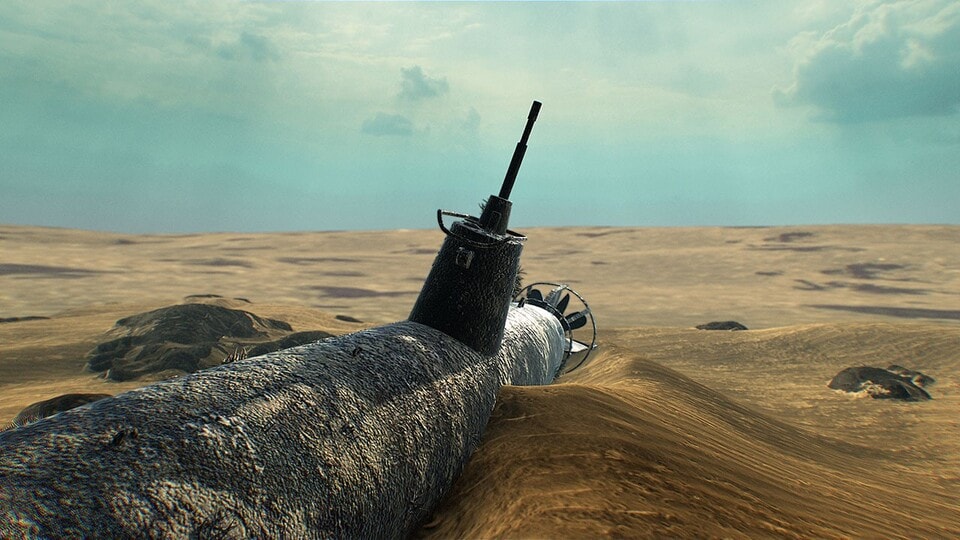
Eighty years since the war, we are still uncovering new lessons. Take a look at dramatic tales told from the battlefields and beyond.
Eighty years since World War 2, we are still uncovering new lessons, and some of these stretch beyond the battlefield. Here are stories of brave botanists trying to safeguard the world’s first seed bank, magnificent ships lying silent on ocean floors, and a chemist who survived the Holocaust and lived to tell the tale. Take a look.
.
* Drain The Oceans - Secrets of World War II
The war left behind an armada of lost vessels, from hulking dreadnoughts to submarines. This documentary series by National Geographic “drains” the seas using cutting-edge undersea sonar scans and 3D reconstructions, to recreate the vessels that lie on ocean floors around the world.
Through interviews with naval historians, maritime archaeologists and marine scientists, as well as archival images and videos, the series unpacks the secrets of various vessels.
See how a hydro-ferry carrying heavy water from the Vemork hydroelectric power plant in Nazi-occupiedNorway, intended for Hitler’s atomic bomb programme, was sabotaged and drowned by a Norwegian Resistance operation. See exactly how sophisticated English warships were wrecked by swift and silently German torpedoes.
The documentary is available at @NatGeo on YouTube.
.
* The Forbidden Garden (2024)
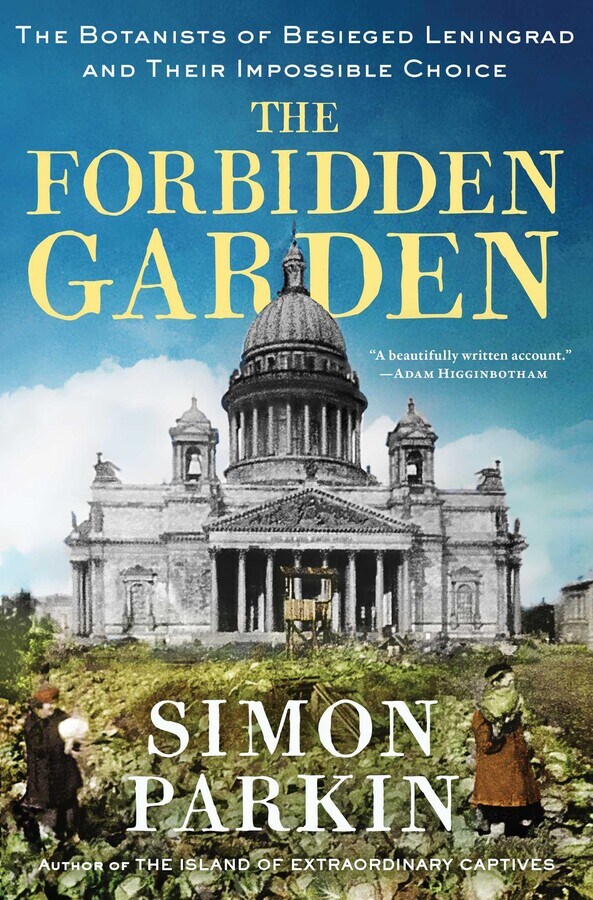
It is 1942. The Russian city of Leningrad (now St Petersburg) is under siege by Hitler’s forces.
What will scientists guarding the city’s All Union Institute of Plant Breeding do? Will they risk their lives to protect 250,000 seed samples, collected over two decades from around the world?
Written by British journalist and author Simon Parkin, The Forbidden Garden: The Botanists of Besieged Leningrad and Their Impossible Choice (Scribner; 2024) is an account of how brave botanists and staff members at the world’s first seed bank risked starvation, extreme cold and German, over the course of three years, in their attempts to save it.
Housed in a converted palace, the repository contained seeds, nuts, roots and over 6,000 varieties of tubers, all of which, as Parkin writes, comprised “the history of the planet as encoded in the DNA of its plant life”. Research had been underway to develop climate-resistant and higher-yield variants to ensure greater food security for the world.
As the siege dragged on for nearly 900 days, the researchers and staff were reduced to eating the very plants they had fought so hard to protect. With almost no resources, they attempted to replant samples, and fight off pests.
Then they couldn’t hold out any more. After a particularly intense raid, the researchers decided to destroy the collection, all research papers and their archives, to prevent them from falling into enemy hands, Parkin writes.
.
* The Periodic Table
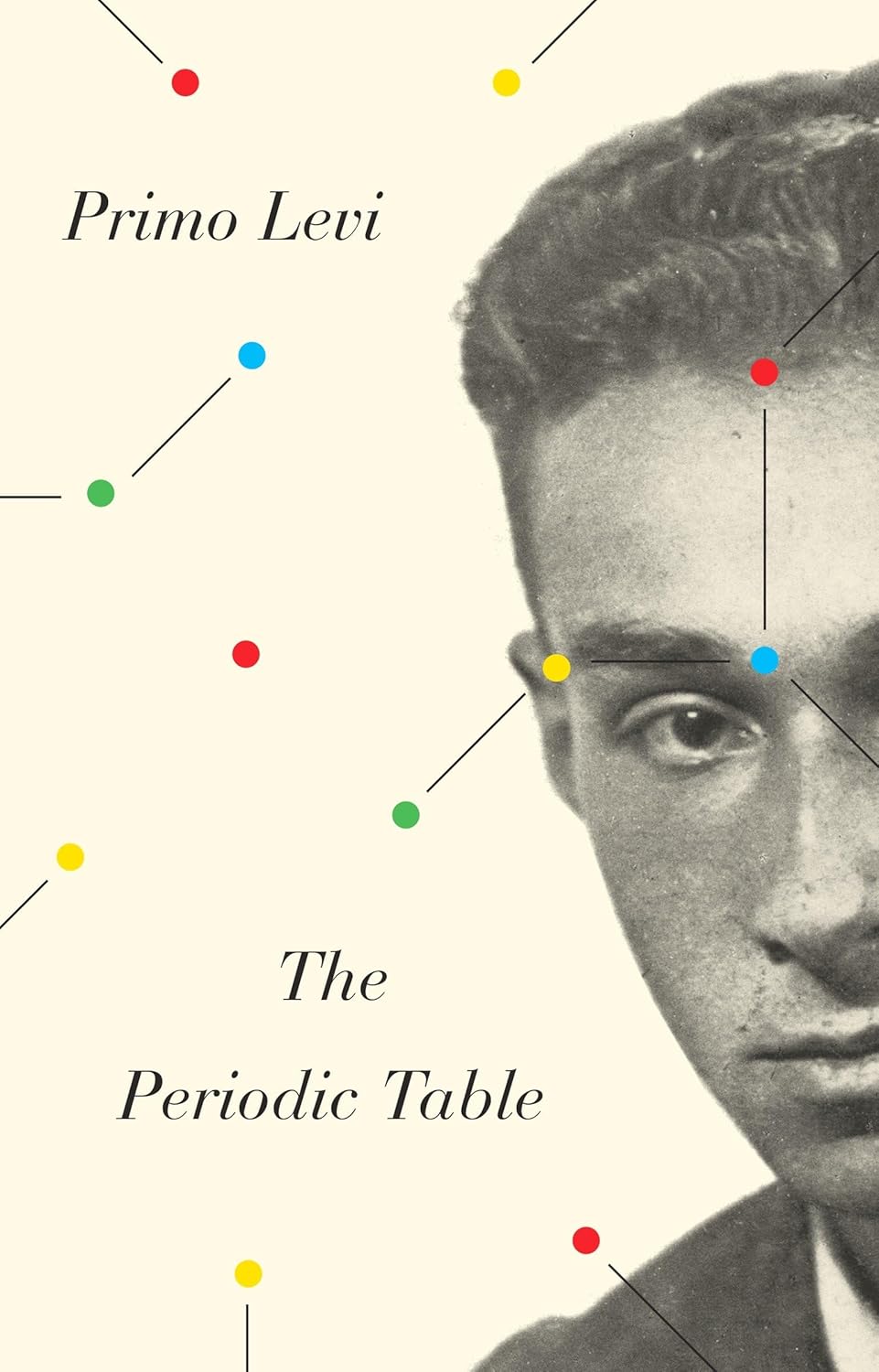
In this collection of short stories, the Jewish-Italian chemist Primo Levi uses elements of the periodic table to tell the story of his life.
Published in 1875, the unique memoir is made up of 21 tales, each named after a chemical element. Each story blends the nature of that element with Levi’s own life experiences as an industrial chemist, an anti-fascist revolutionary, a Holocaust survivor and a writer.
Through the elements and his stories, Levi explores ideas of purity, transformation, identity and survival.