
 E-Paper



The reggae rebels of punk rock: Sanjoy Narayan on the legacy of Bad Brains

 Prefer HTon Google


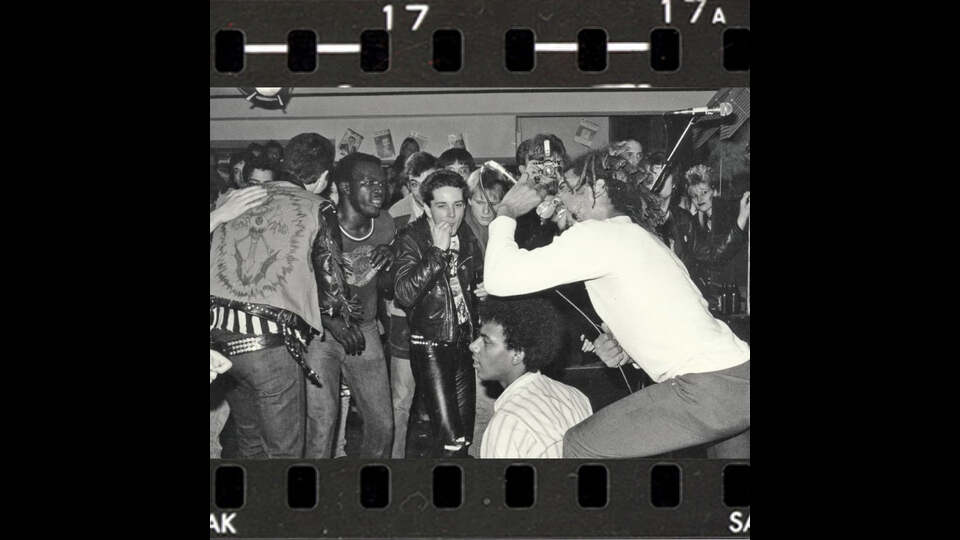
As black musicians in a predominantly white scene, as Rastafarians in Reagan’s America, they were outsiders. The band drew on this to transform punk’s DNA.
There is a moment in punk history that doesn’t get talked about enough.
It was 1979. At the legendary New York City music club CBGB, four young black men from Washington DC had just finished playing the fastest, most ferocious set. The kicker? Halfway through, they stopped the mayhem and played reggae. Beautiful, meditative, spiritually charged reggae. The crowd didn’t know what hit them. Neither did punk rock.
Bad Brains weren’t just fast, they were revolutionary. And not in the overused way that term gets thrown around in music journalism. They literally rewrote the rules on what rebellion could sound like.
The core four who changed everything were HR (Paul Hudson) on vocals, his brother Earl Hudson on drums, Dr Know (Gary Miller) on guitar and Darryl Jenifer on bass. This classic line-up has remained remarkably stable since ’79, a rarity in punk’s chaotic world.
Most people know Bad Brains as the godfathers of hardcore punk. What they don’t know is that the band started out as Mind Power, a jazz-fusion group obsessed with Chick Corea and Mahavishnu Orchestra. The switch to punk happened overnight, after they discovered Sex Pistols, but the real transformation came at a Bob Marley concert. Bassist Jenifer watched the Wailers perform and had what can only be described as a spiritual awakening.
“I was taken in by the power of the music,” he tells Louder Sound in a 2020 interview. This wasn’t a mere musical excursion; it became Bad Brains’ north star.
This is where it gets interesting. While most punk bands were wallowing in nihilistic despair, this group were preaching something called PMA: Positive Mental Attitude. Lead singer HR had stumbled upon American self-help author Napoleon Hill’s bestseller, Think and Grow Rich (1937), after an argument with his father (a former US Air Force man). A self-help book as the foundation for hardcore punk? Only Bad Brains could pull that off.
Their songs weren’t just faster now; they were optimistic. Pay to Cum (1982) wasn’t about destruction; it was about transcendence. Attitude wasn’t angry, it was celebratory. As HR howled, “Hey, we got that PMA,” he was literally transforming punk’s DNA.
The reception wasn’t always friendly. Dr Know remembers their early CBGB days in the same Louder Sound interview: “It’s like, ‘Who are these n*****s?’ And we’re in their face, killing it.”
The group was banned from most DC venues, officially for drawing rowdy crowds, but everyone knew the real reason. Their “aggressive” black fans were not welcome. Their response? They wrote Banned in DC, turning exclusion into one of the greatest hardcore anthems ever written.
The discrimination was multifaceted. As black musicians in a predominantly white scene, as Rastafarians in Reagan’s America, as positive thinkers in punk’s nihilistic landscape, they were outsiders on every front. They used this as fuel.
Musically, Bad Brains were doing things that shouldn’t have worked. They incorporated their jazz training into punk, creating some of the fastest tempos in rock music. They played complex rhythms other hardcore bands couldn’t touch. Their acclaimed self-titled debut album featured Jah Calling, a reggae song sandwiched between hardcore punk tracks arranged in unsynchronised harmony.
That 1982 debut album is still the blueprint for East Coast hardcore. Sailin’ On, Big Take Over and Banned in DC aren’t just songs, they’re declarations of independence.
The ripple effects were staggering. Ian MacKaye and Jeff Nelson saw Bad Brains and immediately formed Teen Idles, which led to Minor Threat (and Dischord Records). The entire DC scene — Fugazi, Government Issue, Rites of Spring — grew from Bad Brains’ seeds. Beyond punk, they influenced Metallica, Beastie Boys and Living Colour. Rolling Stone magazine called them “the mother of all black hard-rock bands”.
When Bad Brains embraced Rastafarianism, it wasn’t a passing fad. It was a philosophical overhaul. By 1982, HR had fully adopted the faith, a spiritual movement centred on the belief that the 20th-century Ethiopian emperor Haile Selassie I was the earthly incarnation of Jah (God). This transformed not just the group’s lyrics but their entire approach to music, and life.
They didn’t see punk and reggae as opposing forces, but as different expressions of the same spiritual energy. When Dr Know was asked to describe their music in a 1990 interview, he didn’t say hardcore or punk. He said, “Actually, we just play Jah music… Jah Rock.”
Bad Brains’ story isn’t without controversy. They faced accusations of homophobia in the 1980s, particularly after incidents with openly gay punk bands such as Big Boys and The Dicks. Their 1989 song Don’t Blow Bubbles contained such problematic lyrics that the 2022 reissue removed the vocals entirely, releasing it as an instrumental. (Bassist Jenifer has since recanted his younger views and made genuine efforts to evolve.)
Perhaps no one understood Bad Brains’ revolutionary impact better than Henry Rollins, the hardcore legend who fronted Black Flag. “HR and Iggy Pop, to me, are the two most charismatic, I-want-to-be-that-dude frontmen I’ve ever seen,” he once said.
Today, as the world grapples with racial injustice and the need for authentic rebellion, Bad Brains feel more relevant than ever. Their message of PMA isn’t naive optimism, it is radical resistance. They prove that the most powerful way to tear down walls is to build something better in their place. One crushing riff, one spiritual awakening, one positive mental attitude at a time.
(To write in with feedback, email sanjoy.narayan@gmail.com)


