
 E-Paper



Books: Big, small love

 Prefer HTon Google



Mansi Choksi’s book, The Newlyweds, shows what three Indian couples go through as they battle the pettiness of daily life
There’s never a time anywhere in the world when pop culture doesn’t focus on love. We have always made a grand thing of it, especially forbidden love: the notion that two people are so drawn together that nothing, even the prospect of a painful death, will stand in their way.
So, the world is filled with soaring stories of heartbreak. Romeo and Juliet. Laila and Majnu. Heer and Ranjha. All so romantic. And all so stylised by retellings that we forget the harsh realities that caused these lovers so much pain.
Which is where Mansi Choksi’s book, The Newlyweds, comes in. Published in mid 2022, the book follows three Indian couples in love—a lesbian couple, an interfaith couple, and an inter-caste couple—and shows exactly what they go through as they battle the pettiness of day-to-day living in India.
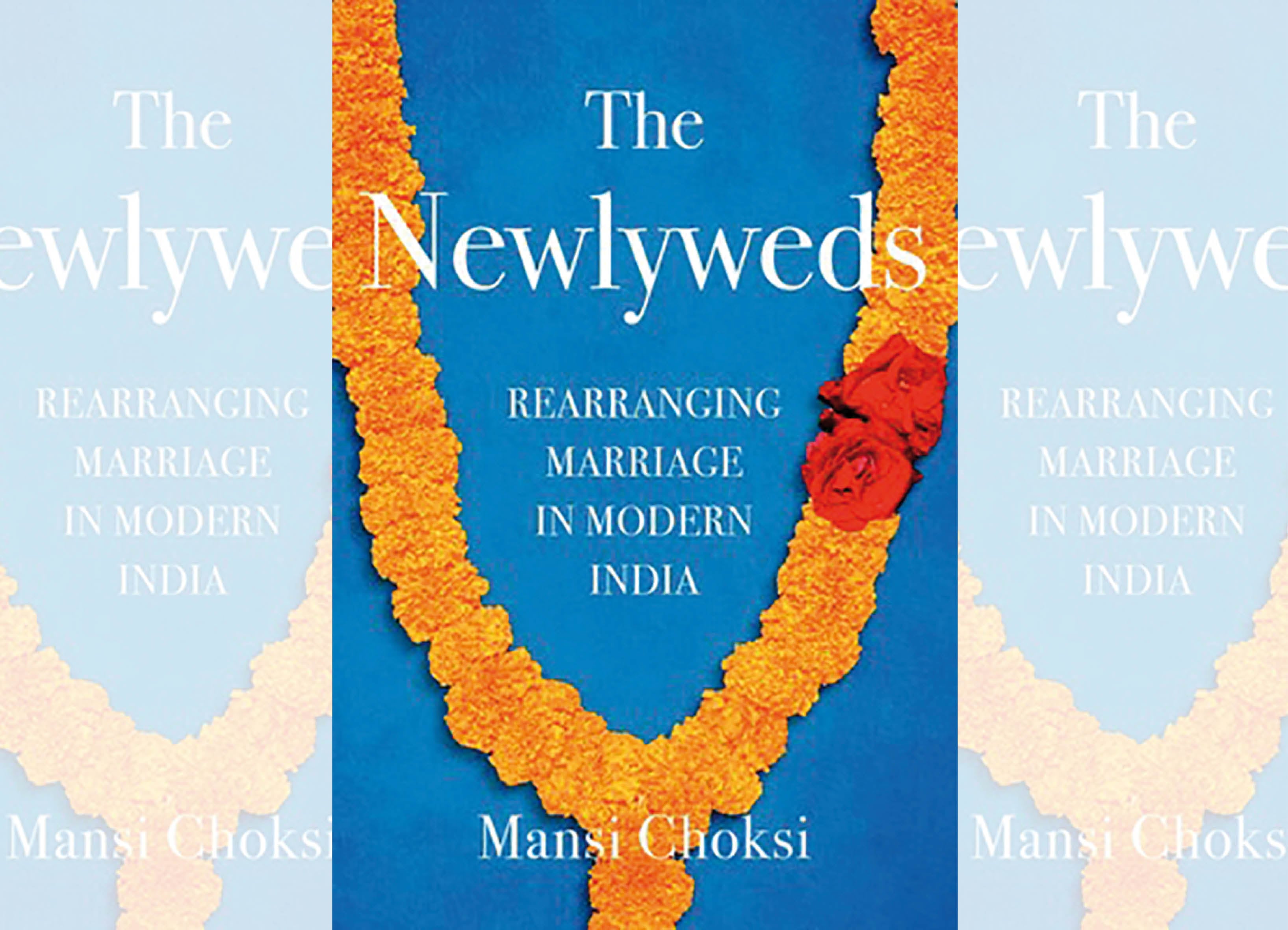
“The Newlyweds is a book about religious bigotry, caste and class bias, homophobia, patriarchy and income inequality told through the vehicle of the love story. I wanted to know what grand love looks like when it is reassigned into the smallness of daily life shaped by religious bigotry, homophobia, casteism and income inequality,” says Mansi about her book. “I wanted to particularly report past the endings we are used to and linger in the rhythms of ordinary life after the dramatic power of the love story fizzles out.”
Reel is not real
I’ve known Mansi all my life. She and I attended the same school in Mumbai—JB Petit High School For Girls in Fort— though she was two years senior to me. Married, a mother, and now living in Dubai, Mansi won a US Livingston Award for journalists under the age of 35 not once, but twice—in 2018 and 2019.
Investigating the stories of the three couples featured in The Newlyweds took Mansi six years and brought her into contact with people like Sanjoy Sachdev, the chairman of Love Commandos, a voluntary organisation that claims to help couples on the run from families who disapproved of their marriages. Her encounters with him showed that even people who claim to help young lovers often do the very opposite.
“I first heard about the organisation on the show Satyamev Jayate and returned years later to write a piece for Harper’s magazine,” says Mansi. “When I began spending time with the Love Commandos, I thought I was telling the story of cash-strapped, middle-aged Indian men who, at great personal risk, protected young lovers marked for honour killings by their families. But as I spent more time at the shelter, it became clear the reality was something else. Sachdev has been accused of extortion, blackmail and using young people to do domestic work while getting donations in their names.”
The book also includes two passages about Mansi’s mother, who had a love marriage that her parents didn’t approve of, and which ended after eleven years.
“Those two passages were written after I finished the manuscript,” says Mansi. “My editor encouraged me to think about why this was a book I needed to write and why the subject had drawn me in the first place. At the time, I had just given birth to my son and my mother was staying with us to help with the baby, and I realised that I was doing this book probably because this was a question that had followed me throughout my childhood: why don’t I look like the people I live with? I had always been told that I look like my father, who I never met. I had stumbled upon an old photograph after my mother had decided to take me to his parents’ place. I dug up an essay I had written in college and used a version of one part for the introduction to this book and another part for the afterword.”
Worth fighting for?
Sadly for the romantic in all of us, there is no happy ever after in The Newlyweds. Instead, there are bits of happy for now, amongst emotions of regret, homesickness and sorrow.
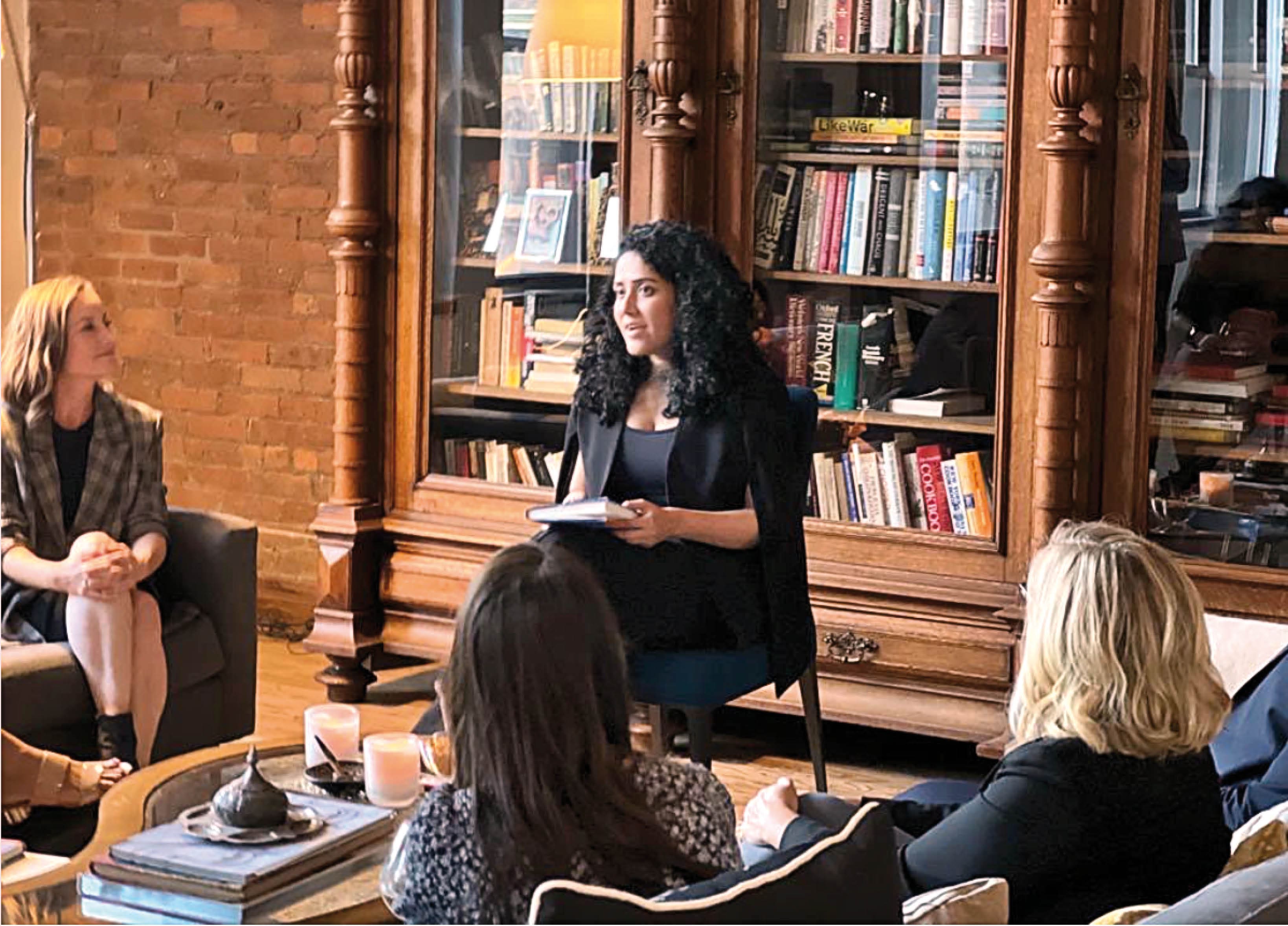
“I wanted to report past the happily-ever-after ending we are so used to,” says Mansi. “This book does not have a clean ending because it portrays the lived experiences of real people and real lives don’t have clean endings. My hope for this book is that it is ultimately not just a reflection on how young love forms and falls apart but a portrayal of India as a society in transition.”
Moving into modernity is hard. It means letting go of the soft padding of the bars of tradition that protect us when we fall.
“I learned from reporting this book that the idea of modernity is a moving frontline between the anarchy of freedom and the peaceful order of tradition, and in my opinion, nowhere is this crisis of meaning deeper than in the choices that young people make about who to love,” says Mansi. “In the end, we make our calculations between tradition and rebellion and arrive at our own truths about Indian modernity. My hope is that the reader walks away thinking about the private life of love, which can be messy, small and unheroic, but is still worth fighting for.”
From HT Brunch, December 31, 2022
brunchletters@hindustantimes.com
Follow @HTBrunch on Twitter and Instagram


