
 E-Paper



Books: Where’s the joy in queer literature?

 Prefer HTon Google


Here’s a peculiarity I’ve noticed in literature through the years: Every time I reached for a gay-themed novel, for all its wonderful prose, emotionally turbulent storyline and often provocative or even sometimes satirical sex scenes, it left me crushed by the end
Here’s a peculiarity I’ve noticed in literature through the years: Every time I reached for a gay-themed novel, for all its wonderful prose, emotionally turbulent storyline and often provocative or even sometimes satirical sex scenes, it left me crushed by the end. I’d be left bereft of hope, a heap of misery, crying jags to follow. Because it always ended really, really sadly. No happy ending, sorry. It was as if it to hope otherwise was truly wishful thinking.
Take the case of literary heavyweight Edmund White who’s considered the Big Daddy of gay literature. One of his earliest novels that I read, The Married Man, is a searing love story that traverses continents. It is touching and endearing, but finally ends with much heartache and under the shadow of AIDS.
Playwright and activist Larry Kramer’s epic Faggots was possibly one of the earliest actual gay novels that caused a scandal internationally with its rabid carousel through 1970 New York’s notorious baths and Fire Island parties, where one man’s search for love ends—you guessed it—miserably. Even Alan Hollinghurst’s novel The Line of Beauty, a caustically sharp look at class, sexuality and politics in Margaret Thatcher’s England, the first gay novel to win the Booker Prize in its 36-year history, ends with a strain of ennui.
Closer home, novels like The Boyfriend by R Raj Rao, which is a brutal exploration of class inequalities in Mumbai and how that affects a gay man’s life, has a sad desperation at its core, all whilst written in a bare-boned frankness that one rarely sees in Indian literature.
Happiness also exists
While there’s no denying the fact that all these novels have an important role to play in the pantheon of queer literature and their stories are important, legitimate and ones that need to be told, one wonders why they always end in doom and gloom. The underlying subliminal message always seems to be that if you are queer, sad things will happen to you.
So, the question that begs to be asked is: why can’t we celebrate queer joy? Why don’t we see more queer novels that are happy, uplifting, empowering and fill the reader with hope? That end on a happy note. After all, isn’t that the reason (initially at least) one reaches for a queer-themed story—to be buoyed with hope, to get a positive understanding of oneself, to feel empowered however difficult the situations in our actual life might be, whether it’s coming out to one’s parents, a relationship with a same-sex partner, not falling into the trap of an arranged marriage or any other?
Being queer is not a dire tragedy, as these novels often seem to suggest. In fact, one sees so many happy unions where same-sex couples have found true love, set up home, raised children through surrogacy and enjoy a contented family life like everyone else around them. In some cases, if the partner is an international citizen, they’ve also gotten married. So, why is literature still lagging behind from reflecting this wondrous side of queer life?
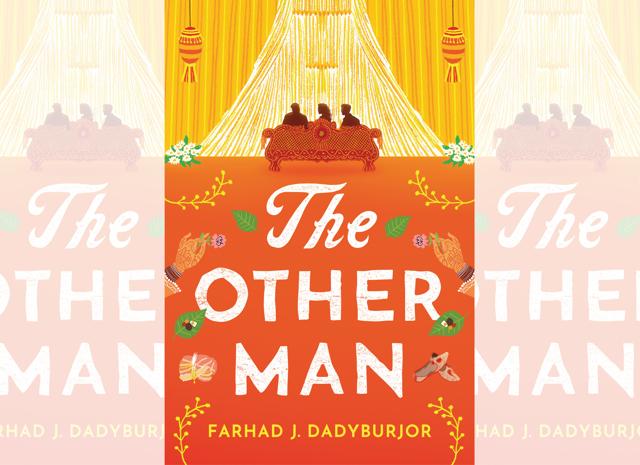
This was an important cornerstone for me when writing my recent novel, The Other Man, which is a love-affirming, heart-warming tale of two men in love. I hope it opens the door to many more celebrations of queer joy in literature in the months to come, because if there’s anything that these last 18 months have taught us, it’s that we all deserve a happily ever after.
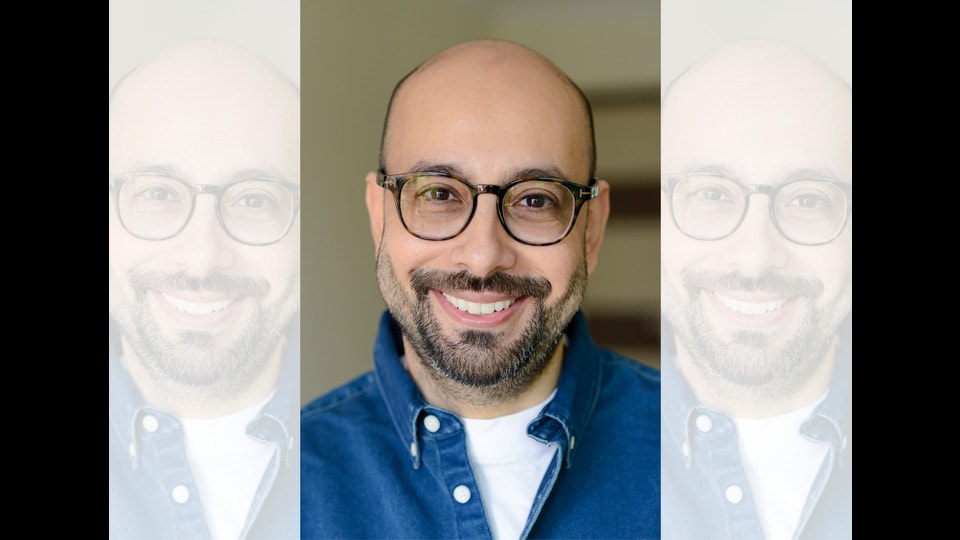
Farhad J Dadyburjor is an editor and author of The Other Man which is out this month
From HT Brunch, October 24, 2021
Follow us on twitter.com/HTBrunch
Connect with us on facebook.com/hindustantimesbrunch


