
 E-Paper



Final rinse: How to match skincare to your workout

 Prefer HTon Google



Acne, rashes, hair loss – your fitness routine may be wrecking your skincare routine. Here’s how to get sweaty without a glow-down
Count the calories, weigh the protein, celebrate the sweat. But while you’re busy building a stronger body, your skin and hair negotiate an entirely different workout. An hour of jogging in the park can mean prolonged sun exposure, friction from tight leggings, a scalp trapping dust, or chlorine attacking coloured or treated hair.
Sure, most of us shower after. But this isn’t about just sweat. “Sweat is minimally comedogenic,” says dermatologist Dr Jaishree Sharad, explaining that it won’t, by itself, clog pores or cause breakouts. Those arise “mainly from friction, heat, microbes, and the residue of products you’re already using. Sweat acts as an accelerant rather than the cause.”
Skincare, then, might just need a tweak, depending on how you exercise. Here’s our guide.
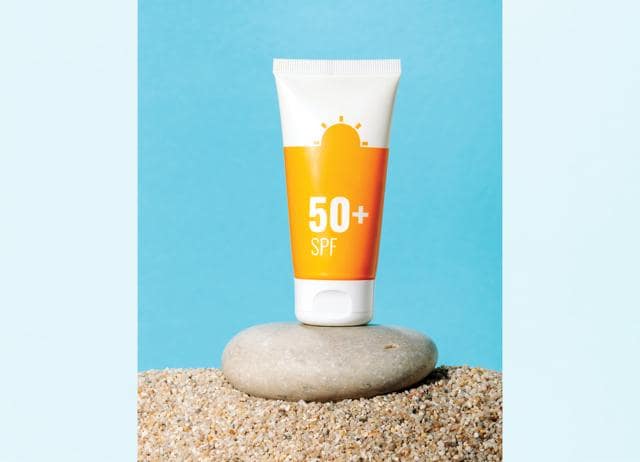
Running and padel: The great outdoors
A morning run sounds wholesome enough. Except your skin is exposed to UV radiation, heat, pollution, sweat and whatever you’ve applied before leaving home. Padel calls for more time spent outdoors too.
“Sweat + UV + pollution can trigger folliculitis and exacerbate melasma or post-inflammatory hyperpigmentation,” says Dr Sharad. That means breakouts, dark spots, bumps. Anshuka Parwani, who runs her namesake yoga enterprise, says she often sees people wiping off sweat, repeatedly touching the face with dirty hands, often rubbing rather than blotting. It’s the culprit no one notices.
The fix: Wear lightweight, broad-spectrum sunscreen and reapply after heavy sweating. Carry a clean towel for every session, pat rather than rub, and keep your hands off your face. The post-run glow is kind of the point. The pigmentation, less so.

Reformer Pilates and strength training: When friction hurts
Your reformer may promise better posture and a stronger core. But consider how long your jaw sits against the headrest. Or how much of your skin comes in contact with sweaty gym benches, resistance bands, sports bras, compression leggings and waistbands. All that pressure, rubbing, and trapped moisture can trigger breakouts that trace the outline of a strap, band, or equipment edge. Suddenly, those expensive leggings don’t look so sexy.
The fix: Choose breathable clothing that doesn’t rub against the skin. Clean equipment before use, dry off with a fresh towel and change out of sweaty activewear promptly. If breakouts repeatedly appear in the same place, investigate what’s touching your skin. Parwani also suggests using softer hair ties instead of tight scrunchies, to prevent hair damage over time.

Yoga: 99% perspiration
It’s all right to emerge from yoga class looking as though you’ve personally generated a small monsoon. But “it’s not a measure of how effective your practice is,” says Parwani. In heated, humid rooms, sweat evaporates less. This prolonged heat and dampness can irritate skin, causing rash and breakouts. It might also cause seborrheic dermatitis, that shows up as scaly greasy patches, says Dr Sharad. “Warmer rooms aren’t better. It doesn’t mean that it’s detoxifying the body more,” says Parwani.
The fix: Skip heavy makeup and layers of skincare before class. Don’t wear tight-fitting clothes. Allow yourself to cool down afterwards. Rehydrate well. Prolonged or particularly intense sessions may require electrolyte replacement. “Wash the scalp according to its needs, rather than following a rigid number of shampoo sessions per week,” says dermatologist Dr Shefali Trasi.

Swimming: A different kind of deep clean
Swimming introduces an entirely different chemical environment, one that can leave skin dry and hair feeling like an abandoned broom. “Chlorinated water can strip away some of the hair’s protective lipids, make it drier and rougher, and more prone to frizz, tangles and breakage,” says Dr Trasi. Coloured and chemically treated hair is particularly vulnerable.
The fix: Dr Trasi recommends applying a leave-in conditioner, wearing a well-fitting swim cap and washing away chlorine after swimming. Follow with conditioner and moisturise your skin.
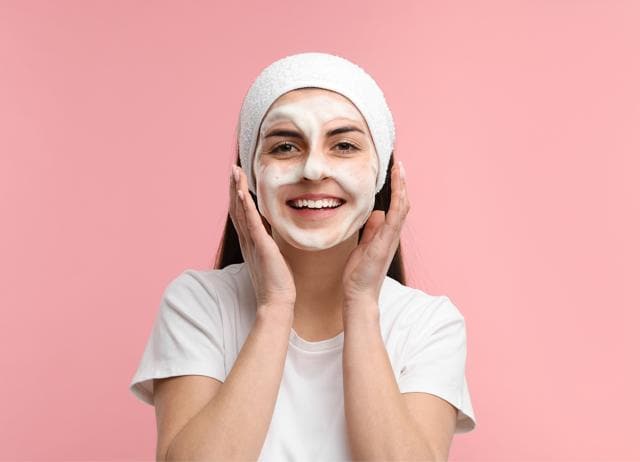
The aftermath: When the cure becomes the problem
For some exercisers, the trouble starts when entirely new routine begins: Double cleansing, exfoliating, shampooing, scrubbing and applying skincare with so many active ingredients that the face becomes a chem lab. “For people training 5-6 times weekly or doing two sessions daily, repeated cleansing, hot showers, and frequent application of active ingredients can impair the skin barrier faster than sweat,” warns Dr Sharad. This will show up as skin tightness, redness, stinging and breakouts that persist despite impeccable hygiene.
The fix: Lukewarm water, less vigorous scrubbing, a gentler cleanser that you can use multiple times a day, clean towels and pillow cases, and moisturiser will generally do the job. Save stronger skincare for your regular routine.
From HT Brunch, October 31, 2026
Follow us on www.instagram.com/htbrunch


