
 E-Paper



Fit and fine by Kamal Singh CSCS: Training your calf muscles

 Prefer HTon Google


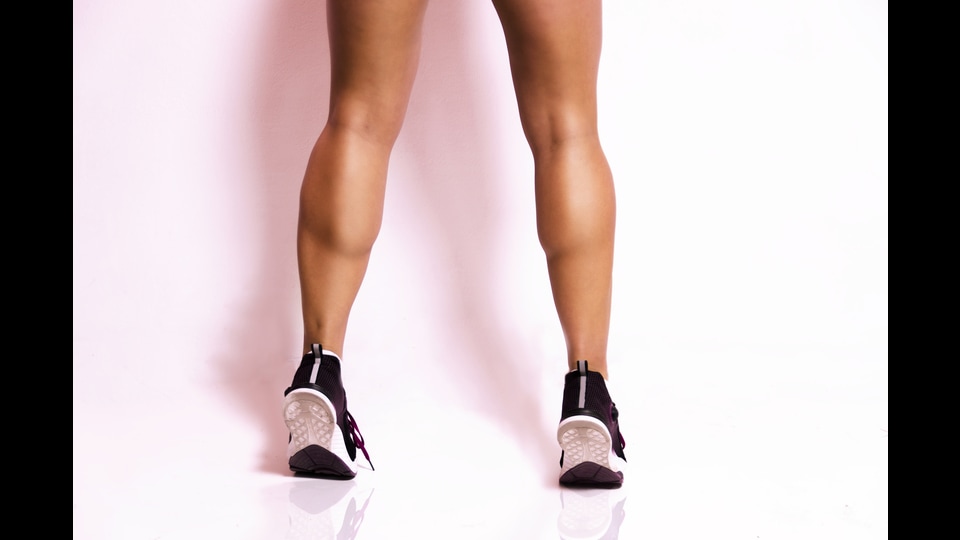
Want shapely lower legs but have never gotten to it? Well, here’s your chance to include it in your lockdown regime, or even start one!
Who doesn’t want shapely lower legs so that we can show off our calves while wearing shorts or a short dress? But training the calves for hypertrophy and strength is not just about aesthetics or looking good while wearing shorts! They have an actual functional purpose. Strong calf muscles improve ankle stability, prevent falls for the ageing population and help maintain muscle mass. As we grow older, calves are amongst the first muscles to lose muscle mass. Thus, it is very important to have calf training as part of a training program.
An anatomy lesson
There are two big muscles in the posterior lower leg – the Gastrocnemius and the Soleus. A third and much smaller muscle, the Plantaris assists the larger Gastrocnemius. The Gastrocnemius originates from above the knee and inserts into the heel while the Soleus originates just below the knee and also inserts into the heel. Both work by extending the ankle – going up on the toes, also known as Plantarflexion.
Exercises for training calves
The muscles of the posterior lower leg are generally trained by doing Heel or Calf Raises. Standing calf raises are the simplest of exercises to do. Stands on a flat surface with your toes pointed straight ahead. Lift your heels off the floor to flex the calf muscle. Pause for moment, then slowly return to the floor. That is one rep. The muscles of the calf - Gastrocnemius and Soleus consist of mostly slow twitch fibres which need a high number of repetitions as well as a heavy load to fully stimulate them. Load the exercise by holding a dumbbell/kettlebell or better still hold a barbell across the shoulders.
The standing version of the Calf Raise is biased towards the larger, superficial muscle – Gastrocnemius. To fully develop the calf muscles, the deeper Soleus needs to be targeted specifically. The seated version of the Calf Raise shifts the focus to the Soleus. If your gym does not have a Seated Calf Raise machine, then training the Soleus becomes harder. A work around can be found by sitting on a bench and putting a heavy dumbbell or even a barbell on the thighs. Seated calf raises are also to be done with high repetitions and heavy load.
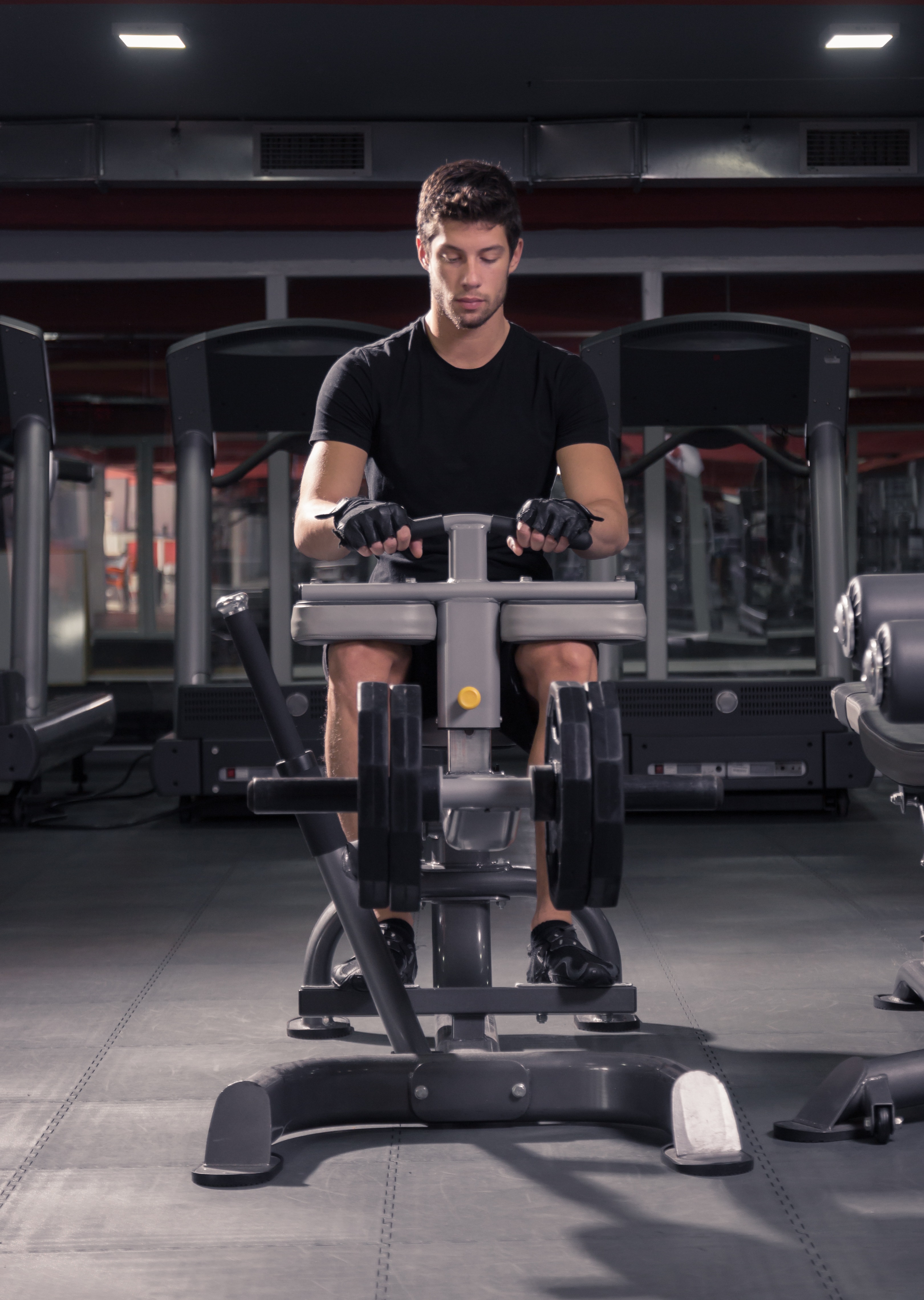
How to turn calves into bulls:
•Train calves at least twice a week. Thrice may be better if they are really lagging.
•Do the standing and sitting calf raises on alternate days.
•Warm up the calves by doing 2 sets of 20 repetitions of standing hops.
•Hold at the top of the repetition for 2-3 seconds. Deliberately contract the calf hard.
•Initially start with 3 sets of 20 repetitions. These sets have to be hard. Calf training has to be hard and dare I say it, painful. You should have problems walking after doing the three sets.
•Do calf training last in your workout otherwise the rest of the workout will suffer.
Calves are like any other muscle and need to be targeted if they are lagging. This muscle group tends to be fatigue resistant. We have to hit the calves hard in training to make them grow. Calf training can be unpleasant but the results make it worth it. So go out and make training the calves a priority for a few months and be pleasantly surprised. Now go and do it…
Kamal Singh is a Certified Strength and Conditioning Specialist who has been coaching for 15 years
From HT Brunch, March 7, 2021
Follow us on twitter.com/HTBrunch
Connect with us on facebook.com/hindustantimesbrunch


