
 E-Paper



Food: They went. They learnt. They changed Indian food!
Five Indian chefs settled in different countries have changed the way our cuisines are perceived abroad


If worldwide appreciation for Indian gastronomy is growing, it’s perhaps because of at least five Indian chefs who have settled in cities abroad.
Not only are these chefs well-versed in the flavours and cooking techniques of their homeland, but they have also spent years studying the food, ingredients, antiquity and ethos of the international cities they live in.
Now, having finally understood the people they cater to, they have been marrying Indian flavours and cooking techniques with local ingredients to completely change the way that Indian cuisines are perceived.
How did they do this? Well, meet five chef owners who do very unique things with Indian cuisines.
Interpreting India
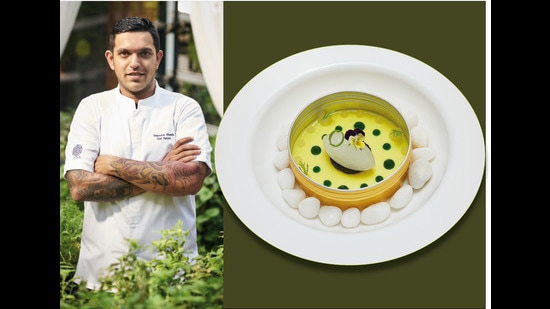
Deepankar Khosla, Chef Owner, Haoma, Bangkok, Thailand
Deepankar Khosla’s pledge to the environment is strict. So are his vitality and passion for Indian cuisine.
Khosla cooks dishes based on his memories of India and interprets them in the wackiest ways possible. For example, his mattar ki lucchi is inspired by his memories of eating outside Hanuman Mandir in Connaught Place.
Revolution is on Khosla’s mind, and not just when it comes to overturning the rules of Epicureanism. He started a movement called No One Hungry, for which his team not only made free meals for the destitute, but taught them to attain food for themselves as well.
Haoma recently received a three-star endorsement by the sustainability body Food Made Good.
“No One Hungry was inspired by the Bengal famine in which over four million people lost their lives,” says Khosla.
Native roots
Manoj Sharma, Chef & Fondateur, Jugaad, Paris, France
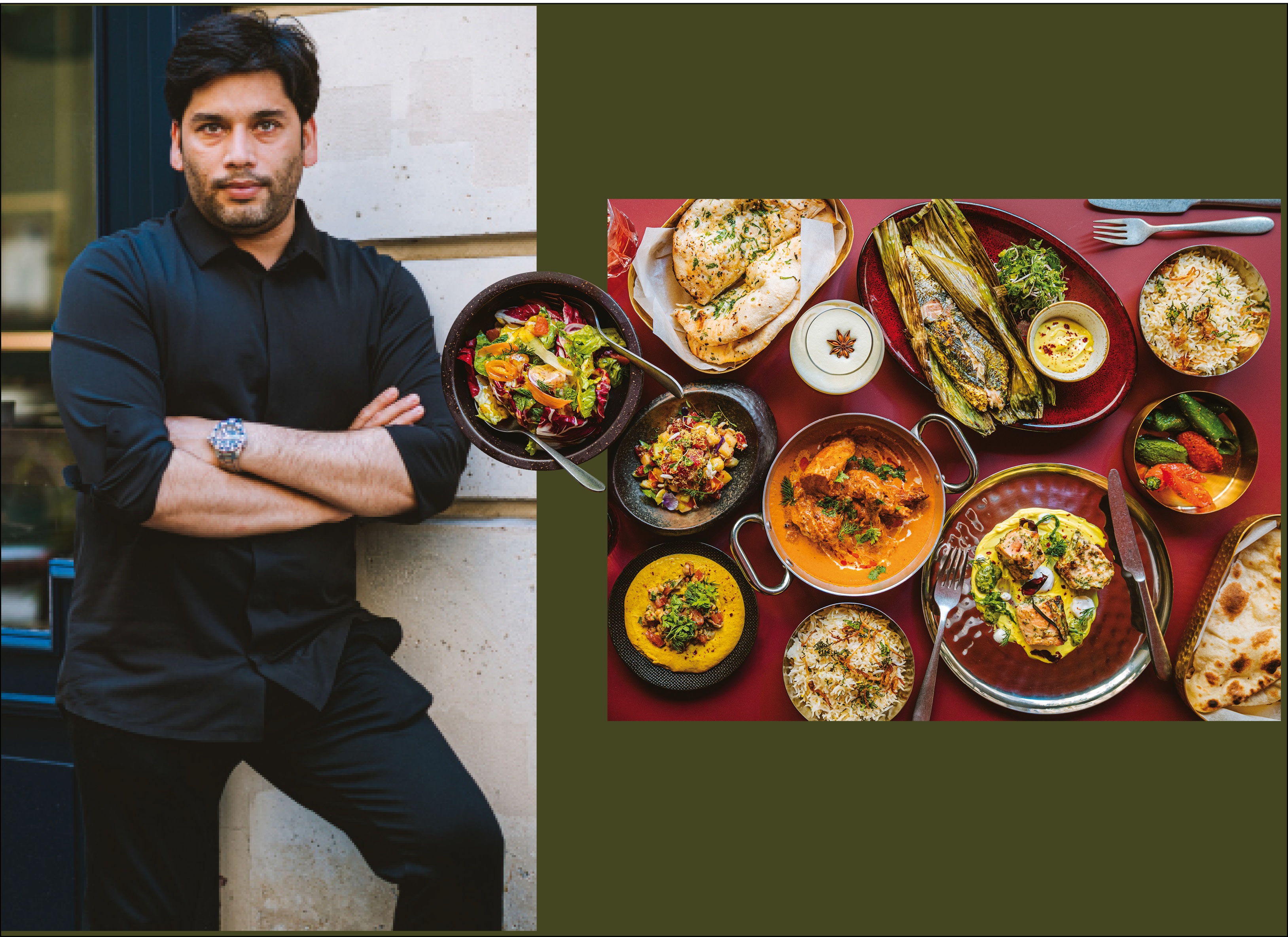
Manoj Sharma’s Jugaad was born of a search for memories in ingredients.
“I try to use those memories with food and twist them with local produce and tectonics. I use local favourite dishes for inspiration and try to connect them with Indian flavours. Hence even one dish can consist of different regions of India,” says Sharma. “I try to bring flavours from across India in my menu so people can understand the differences between the diverse regions of India.”
You will find a lot of twisted recipes with Indian flavours on Sharma’s menu, ranging from cote de pork Iberique to malai salmon to tuna bhel, burrata makhani and gun powder calamari fritters. His idea is to add Indian flavours to local ingredients: basically, local produce with Indian soul.
“Never give up. Most important, listen to your own feelings,” says Sharma about learning to free ourselves from judgement. According to him, once that is taken care of, we will discover the liberty to magnify our galaxy of creation and start exploring our curiosity.
At Jugaad, you see a different kind of Indian kitchen. It is open, with live golden tandoor ovens in the middle of the room, serving dishes from around the world with Indian flavours. About 75 per cent of Sharma’s customers are the local French.
Flavours of the past
Sunil Ghai, Chef Owner, Pickle, Dublin, Ireland
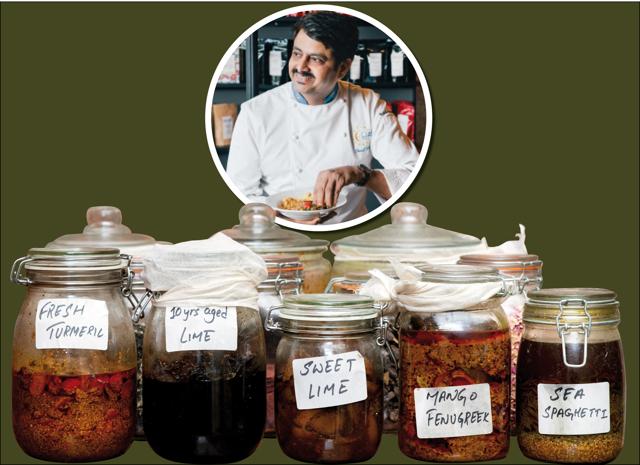
Pickle is inspired by maps of Northern India and Ireland, and chef Sunil Ghai aims to serve authentic North Indian food cooked with the best Irish produce.
“Why is Indian food so good?” he asks. “Because these flavours are refined by epochs of history.”
In his menus, Ghai returns again and again to the street food of North India, modifying the techniques of grandmothers. With signature dishes like the aloo tikki inspired from a street food vendor in Gwalior and the goat keema pao (yes, not lamb), his cooking is both a love letter to India and a conquest of the stringency that can hold Indian cuisine back.
Ghai’s map of India has rough markings to show the regions of India that show up in his food. The map also reflects his journey as a chef. As a teenager in Gwalior, he cooked with his mom. In Delhi, he worked in formal kitchens. Today, he explores the tastes and techniques of other regions whenever he visits India.
The other map is of Ireland, the home of the produce Ghai loves. “We have a great fan following with plenty of regulars, including Irish rugby players, actors and musicians,” says Ghai. “Bollywood actor Rajkummar Rao loved it,” he adds.
All in all, Pickle is an ingredient-driven restaurant with a story behind every dish.
The world around one
Sanjeev Pandey, Chef Owner, Indian Harvest, Chicago, USA
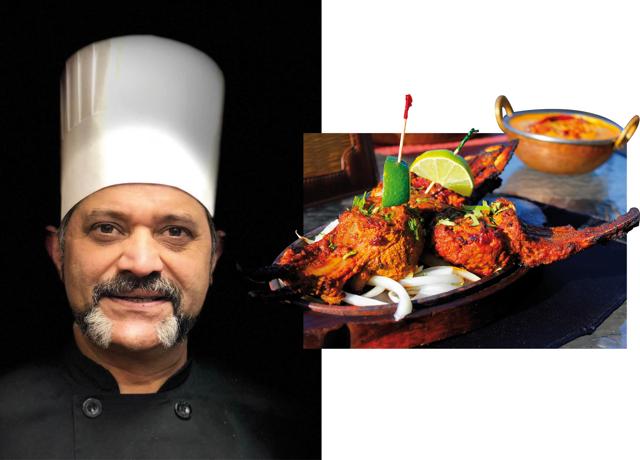
Pandey has been a force in Indian cuisine for 22 years now, but not necessarily in a way that kindles far-reaching movements.
While chefs like Vineet Bhatia and Srijith Gopinath have thousands of admirers, Sanjeev Pandey’s handwork is of a more private and particular strain. He cooks food that’s about India and family and memory, yes, but eventually his diverse plating and flavour amalgamations replicate the workings of his own mind.
Indian Harvest aims to be the uncontested go-to Indian restaurant in the community. The restaurant periodically showcases varieties of regional Indian cuisine.
“I have also incorporated certain dishes that originated from my grandmother’s kitchen. I try to incorporate several rustic dishes on the menu, which receive a lot of accolades from our guests from all over the world. Our core values are about serving fresh, hearty meals with due care,” shares Pandey.
The Allahabadi aloo, a recipe from his grandmother, is a must order at every table. “Winter in my hometown was the season of harvesting coriander and my grandmother would prepare the most eclectic pairing of potatoes and fresh coriander seeds. It would be selfish of me to not share this art with the world,” smiles Pandey.
The philosophy he works with is to use fresh and mindful ingredients while incorporating new trends in cooking. “We have seen generations of our regulars. They are all dear to us and we hope to continue fostering relationships with the local community and beyond,” says Pandey.
Small but satiated
Rohit Ghai, Chef Owner, Kutir, London, UK
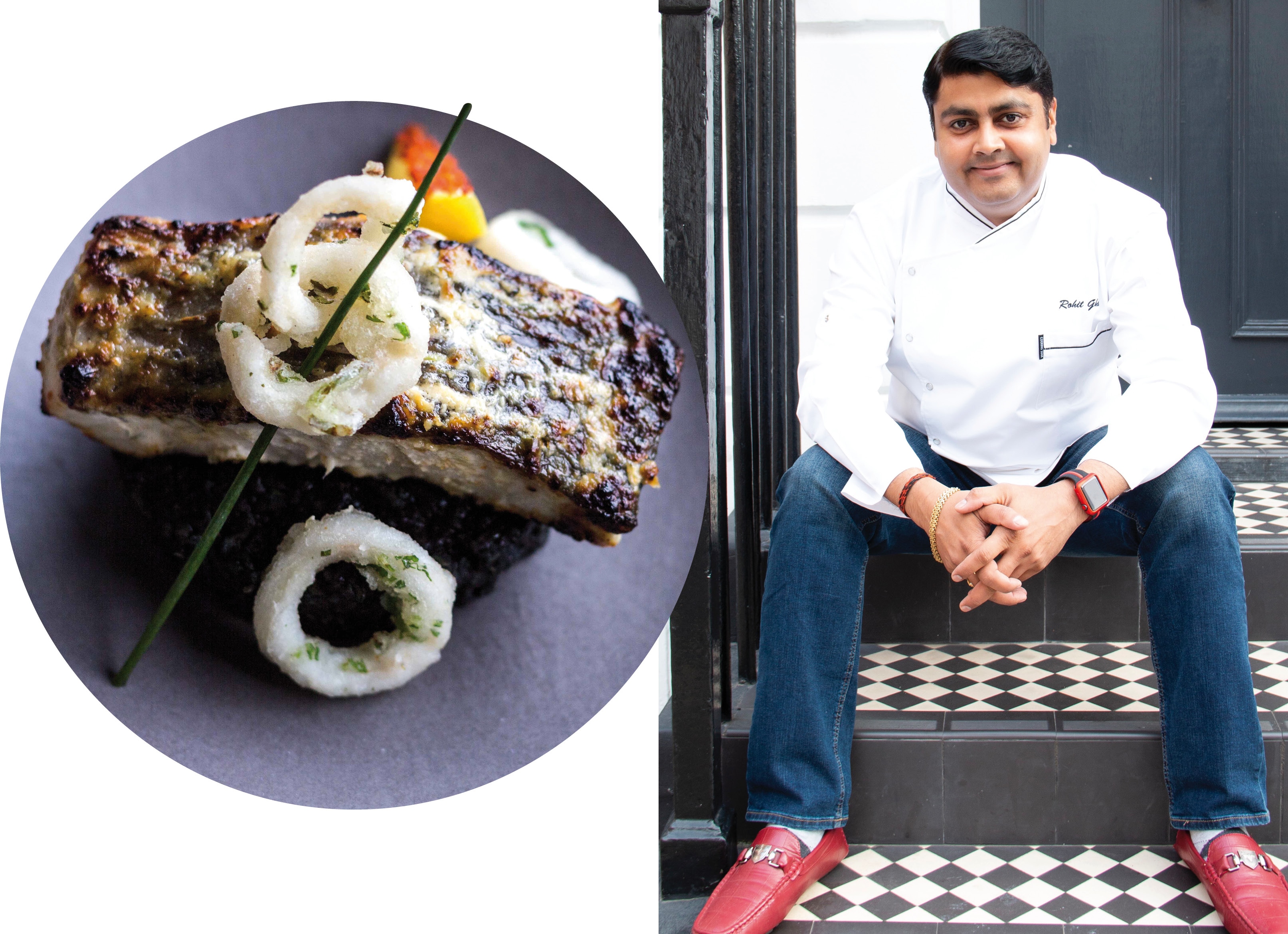
Rohit Ghai’s intellect is like a butterfly net. It sweeps around all over the place, catching inspirations from everywhere. So, it isn’t a surprise to learn that he got his first Michelin star in record breaking time after opening Jamavar London in 10 months, posy which he opened Kutir. his first solo venture.
Ghai defines his cooking as compacting desire into appetising bites. It’s a lot more than that though, more like a belligerent tête-à-tête with not just the history but the Indian relationship with food. “At Kutir, we never forget our roots and traditions and express it through our work in our modern Indian edible bites. It is important to learn and absorb new things but never forget who you are,” says Ghai.
People love the food at Kutir because of the right combination of ingredients and the balance of spices. There is at Kutir a constant and mindful flow of freshness, ideas and joyful ingredients, for example, the quail naan, Ghati prawns, chicken chops with puy lentils salad, stuffed morels with wild berry chutney and so on.
Kutir is not just about its codes of delectableness. It is also known for its location in Chelsea, as well as Ghai’s approach towards sustainability and relevance. “Realism is what makes our food exclusive. Every dish has my story and my expressions, which is like a catalyst for the commencement of new thoughts,” sums up Ghai.
From HT Brunch, August 15, 2021
Follow us on twitter.com/HTBrunch
Connect with us on facebook.com/hindustantimesbrunch


