
 E-Paper



Guest Column by Dr Tanaya Narendra: Seeking a period of enlightenment

 Prefer HTon Google


Scotland’s new law that restores the dignity of menstruating women is something that’s required in India immediately
If you were to line up 100 menstruating Indian women in one room and take a wild guess as to how many of them were using a pad, you’d be very, very surprised with the answer—20.
Only 20 per cent of Indian women on average have the ability, the money, and the opportunity to use pads. According to UNESCO, 23 million young women in India drop out of school due to menstrual health and hygiene issues. Think of the impact this has on the future of the youngest workforce in the world. Period poverty changes the course of lives and dictates the future of nations.
What is period poverty? With over 500 million menstruating women affected by it globally, period poverty is a lack of access to period products, menstrual hygiene, period waste management, and basic awareness. Over 70 per cent of young Indian menstruators say they had had “no knowledge” about menstruation before their first period. This, coupled with the lack of access to products, complicates our specific case. While certain segments of our population have the luxury of a variety of period products, the vast majority of Indian women use dirty rags, leaves, and even ash. It’s not just an affordability issue. It’s also a stigma issue. Menstruators are considered impure. Conversations around periods and period products are shrouded in shame.
Foundation of dignity
This is why Scotland’s Period Products Act of 2022 comes as a breath of fresh, reassuring air. Scotland is the first country in the world to make period products free for “anyone who needs them”. This progressive, gender binary smashing, shame-busting, empowering move has been lauded globally as a significant step forward in the right direction. But can we see something like this in India? Call me dangerously optimistic, but I actually see it happening!
In 2018, after years of campaigning by activists, India scrapped the 12 per cent tax on sanitary products. This allowed many more people to afford pads, and it pushed the menstrual product conversation into the mainstream. What is to say that the government won’t be inspired by Scotland’s scheme?
As a doctor and menstrual health educator who sees the impact of period stigma every single day, I am thrilled by how Scotland dealt with the period conversation with such dignity. That straightforward act will impact millions of lives globally. And with the Indian conversation about female bodies moving to a better space, I am bloody excited to see what the future holds (pun fully intended).
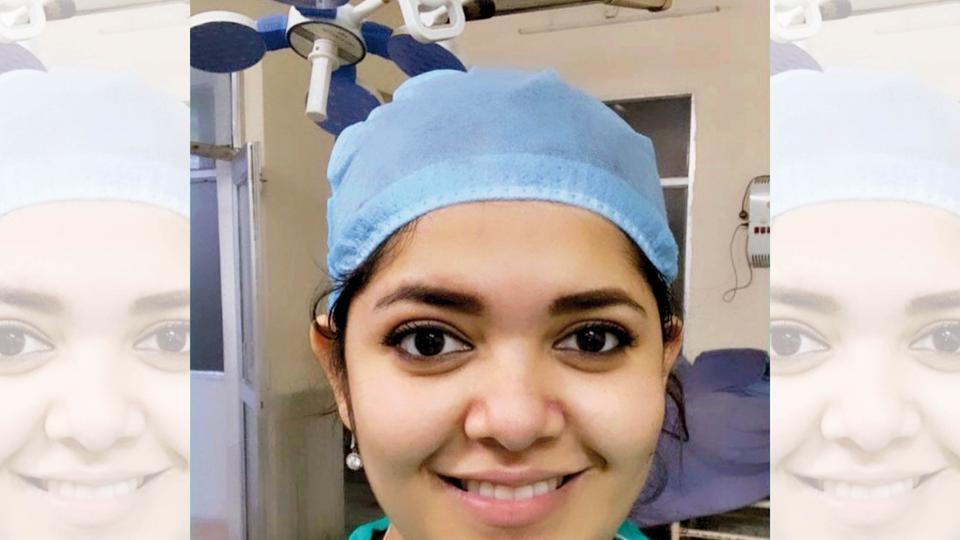
Dr Tanaya is a doctor and scientist who also creates digital content that focusses on busting sexual health myths.
I Say Chaps is a column that allows passionate, creative people a platform to have their say.
From HT Brunch, September 10, 2022
Follow us on twitter.com/HTBrunch
Connect with us on facebook.com/hindustantimesbrunch


