
 E-Paper



Hard reset: Re-wire your brain without falling for gimmicks

 Prefer HTon Google


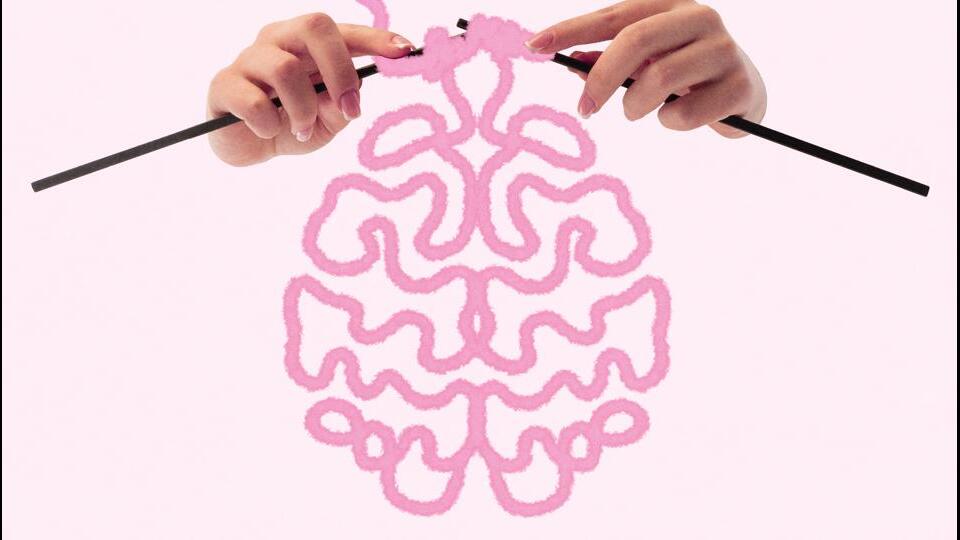
You can’t rewire your brain through positive vibes or cold plunges. What you have to do is revisit a new habit, day in and day out
Are those reels about neuroplasticity all over your feed too? There’s Olympic skier Eileen Gu, who’s said, “With neuroplasticity on my side, I can literally become exactly who I want to be.” There’s Arianna Huffington, saying that the small choices we repeat daily rewire our brains to make certain behaviours automatic. And of course there’s every other overnight expert promising wild transformations if you just start These Three Habits Today. Sigh. How did a legit scientific term become the internet’s favourite shortcut? Sure, the idea is that repetitive activities push the brain to change itself and form an automatic habit. But Gu & Co are being hailed as superheroes online. Here’s what the shortcuts get wrong that Gu’s method of repetition and effort gets right.

Myth 1: It takes 21 days to rewire your brain. That handy number comes from a 1960s plastic surgeon’s observation of amputees adjusting to limb loss, not neurological data, and neuroscience has since moved on. Senior Consultant Neurology, Dr Kapil Khandelwal confirms that, “there is no neurological rule that says the brain can be ‘rewired’ in exactly 21 days. Neuroplasticity is real, but it is a continuous and highly individual process.” How fast you change depends on what you’re learning, how often you practise it, plus age, sleep, stress levels and motivation. Measurable brain changes can show up within weeks of consistent practice, but it takes 66 days to over 200 days for them to become second nature. Gu’s resilience took years, not three weeks.
Myth 2: A dopamine detox resets your brain chemistry. Dopamine, another buzzword, is a neurotransmitter, not a biological fuel tank you can drain and refill. Consultant Neurologist Dr Arjun Shah says, “There’s nothing to detox, dopamine isn’t a poison building up in your brain.” What actually happens when you put the phone down for a few days is subtler. Your brain stops overreacting to constant stimulation, and ordinary things start feeling enjoyable again by comparison. It’s a welcome shift, just not the chemical flush the term implies. True neuroplastic change still needs sustained behavioural shifts over time, not a weekend off sugar.

Myth 3: Positive thinking can rewire your brain. Shouting affirmations at a mirror is not enough. Gu’s actual method takes intense cognitive effort, sitting with uncomfortable thoughts, analysing emotional triggers, and actively editing her internal script daily. Dr Aniruddha More, a consultant neurologist, says, “After a stroke, telling yourself ‘my hand will work normally again’ may provide motivation, but recovery depends on repeated, targeted rehabilitation and practice.” The same logic applies to your thoughts. Dr More isn’t writing affirmations off entirely, they can help with motivation or confidence, just not as a shortcut to actual neurological change.
Myth 4: Cold plunges build discipline. This has emerged from a massive misinterpretation of data from the famous 2000 study by Šrámek and colleagues in the European Journal of Applied Physiology, where 10 young men were submerged in 14°C water for a full hour, not a quick shower. Director of Neurology, Stroke and Neurocritical Care, Dr Pankaj Agarwal is unconvinced by what the internet did with the finding. Short cold exposure may increase alertness, he says, but there’s no evidence it builds long-term discipline or reliably regulates mood. And here’s the real catch: Dr Khandelwal points out that the test featured plasma dopamine, measured in the blood, not activity inside the brain itself, which is precisely the “brain rewiring” proof the internet claims it to be.

Myth 5: Reels are five times worse for your brain than alcohol. Fake news! Alcohol is a literal neurotoxin, it damages brain tissue and kills cells over time. Short-form video doesn’t destroy brain matter. It drains attention, not cells. Dr Shah has the cleanest way of separating the two, saying “alcohol damages the brain’s hardware; scrolling reshapes its habits.” Dr Khandelwal would rather we stopped ranking them against each other altogether, since not every behaviour that affects attention deserves to be called neurotoxicity, and the comparison “creates more alarm than understanding.”
From HT Brunch, September 19, 2026
Follow us on www.instagram.com/htbrunch


