E-Paper



Refine your palette: How to develop your own interest in art
Don’t let galleries, abstracts and jargon intimidate you. To build your own taste in art, start small, stay with familiar words and build on your experiences

 Prefer HTon Google


Art isn’t decoration. It’s not a frill reserved for those with time and money. Humans have been making art since they could run a stick through the sand. We could draw before we could write, count, trade, keep records. Art tells stories that words and numbers can’t. But it’s taught poorly (if at all) in schools. So, most Indians are understandably clueless and suspicious. “Works of art are just objects, like a refrigerator or a vacuum cleaner,” says Daniel McDermon, writer and former culture editor at The New York Times in his 2018 essay, How to Fall in Love With Art. “What makes them specia is the experience you have with them.” Here’s a quick guide to help.
Stop trying to “get it”.
An artwork isn’t an Aesop fable, with a moral at the end. A canvas, sculpture, or installation typically tells several tales, which may change with time, place and the people viewing it.
Go with what’s familiar.
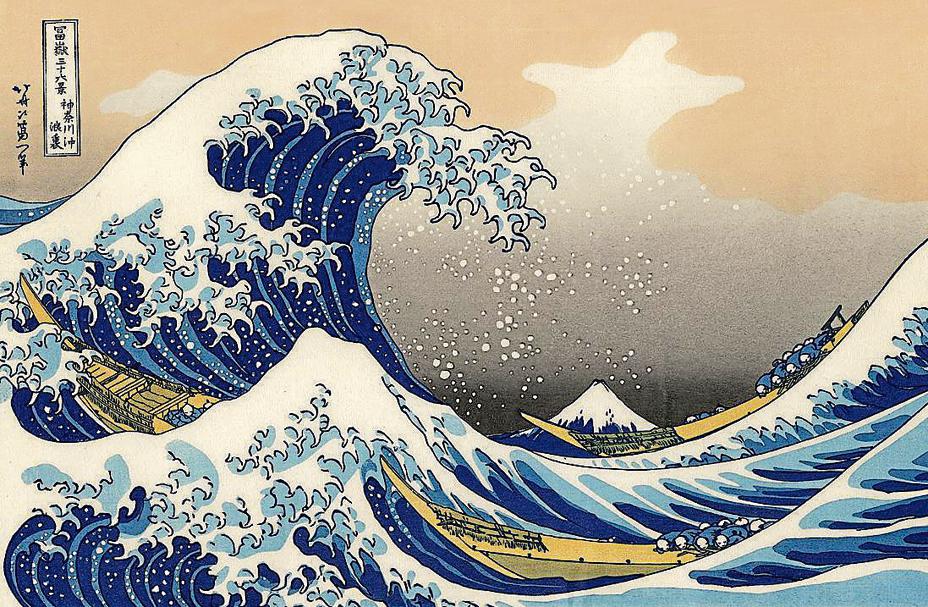
Starry Night, The Last Supper, Ravi Varma’s Shakuntala, MF Husain’s horses, The Great Wave Off Kanagawa – some works are better known than others. You don’t have to like them, But take a closer look at them online. Read up on who painted them, when, where and why. It will help explain what keeps drawing viewers to them years later.

Look closely.
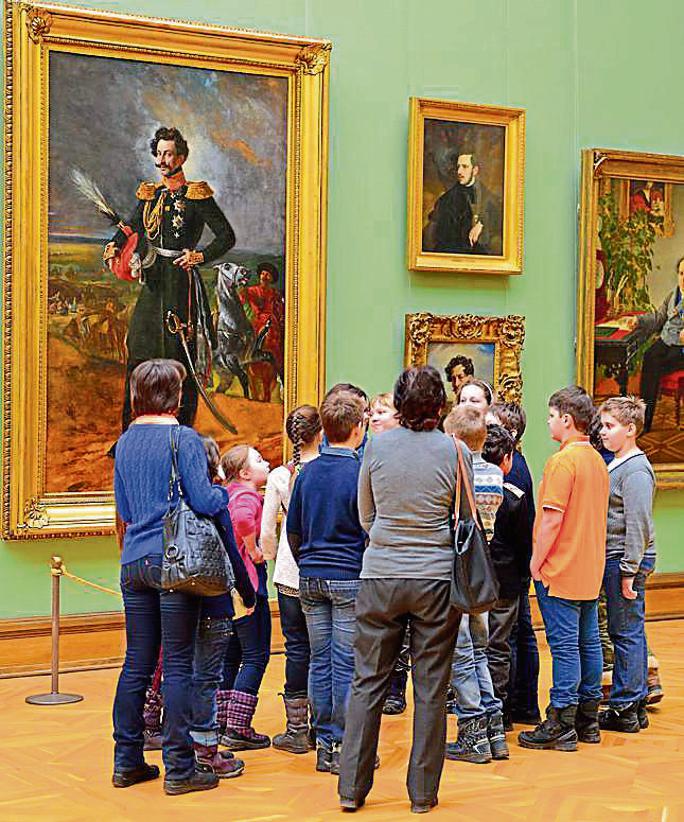
McDermon’s essay also helps ease those first intimidating moments in a gallery or museum. Here’s what to do: Do a slow 360 turn, taking it all in. Head to what sticks out – even if it seems repugnant. Give it a good look. Get close. Observe brush strokes, chisel marks, exceptional colours, patterns or shapes that repeat. Then step back and get a different view from a distance, from new angles. Give it a moment to do its thing. “Take note of your own reaction,” he says. “When you’ve done all you can, free yourself to go read the label.”
Know more.
Some works are better understood with a little context. Isaac Cordal’s Berlin work – suited, balding, white men arguing as they submerge – makes better sense alongside its popular title: Politicians Discussing Global Warming. Other cues, the style, the materials, the choice of subject matter, the religious or mythological theme, the point of view, even the politics of the event depicted, open new ways to see the work. Read the show’s hand-out or introductory text to better follow what makes an individual work or a collection shine.
Know more.
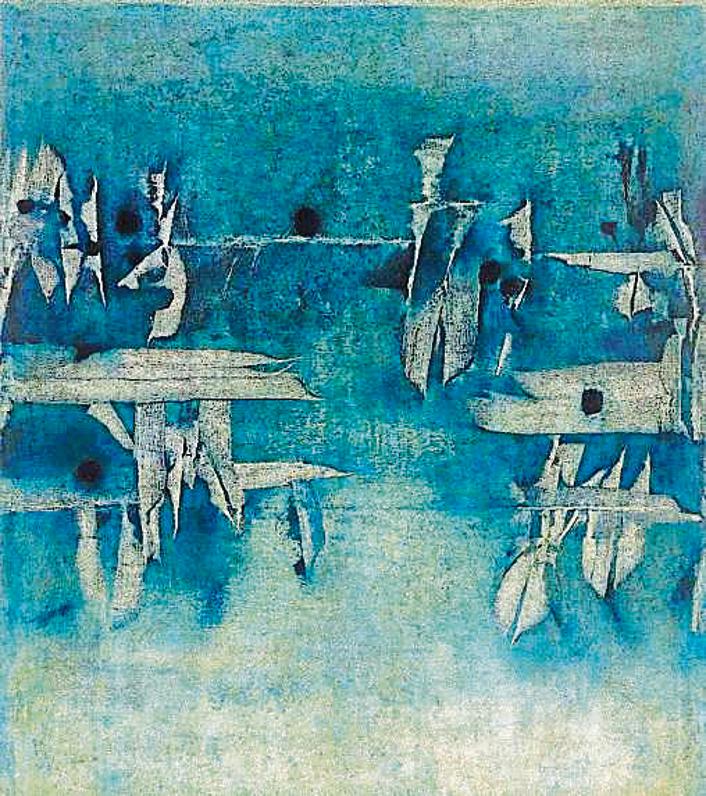
The striking blue in Hokusai’s The Great Wave Off Kanagawa is different from the calm blues in VS Gaitonde’s untitled 1969 abstract that sold for a record ₹42 crores last year. It’s also different from the luminous blues in Monet’s Water Lilies, and Picasso’s Blue Nude. Damien Hirst paints spots differently from the way Yayoi Kusama paints her dots. View widely to be able to compare details, forge your own associations, deveSome works are better understood with a little context. Isaac Cordal’s Berlin work – suited, balding, white men arguing as they submerge – makes better sense alongside its popular title: Politicians Discussing Global Warming. Other cues, the style, the materials, the choice of subject matter, the religious or mythological theme, the point of view, even the politics of the event depicted, open new ways to see the work. Read the show’s hand-out or introductory text to better follow what makes an individual work or a collection shine.
Get talking.
“Talk about art the way you talk about everything,” says Pulitzer Prize-winning art critic Jerry Saltz in his 2003 book, Seeing Out Loud. “Don’t try to talk like a pointy-headed intellectual academic.” Saltz’s own reviews of art shows and works are jargon free, pointing out details so people can view them differently.
Make connections.
The striking blue in Hokusai’s The Great Wave Off Kanagawa is different from the calm blues in VS Gaitonde’s untitled 1969 abstract that sold for a record ₹42 crores last year. It’s also different from the luminous blues in Monet’s Water Lilies, and Picasso’s Blue Nude. Damien Hirst paints spots differently from the way Yayoi Kusama paints her dots. View widely to be able to compare details, forge your own associations, develop new favourites.
Seek help.
Saltz’s three-minute video tutorial on Lifehacker, titled How to Talk About Art Without Sounding Dumb, tackles questions about abstract art and getting started. On YouTube, The Art Assignment has longer but lively explainers about specific artists, movements and events. (Fav episode: The Truth About The Tortured Artist). For a voice in your ear as you gaze at a single work, consider The Lonely Palette podcast (Fav episode: El Anatsui’s Black River (2009)).
Think beyond technique.
Often, modern works seem simplistic, drawing the usual derision: “My kids could do this”. But consider why an “easy” work would be attempted, completed and celebrated at all. Jackson Pollock’s drip paintings depict movement and creation differently in every canvas. SH Raza’s perfect geometry, depicted over and over across his work, finds ways to make the natural and cosmic world come alive in a way realistic paintings cannot.
Allow for mistakes.
Not all art is good. But “bad art can leave a good impression, and some of the most lasting connections may come from works of art that initially made you uncomfortable, angry or confused,” says McDermon. Don’t be afraid to change your mind about works, artists and techniques over time.
Make it personal.
Art only works because there is a viewer. Cave paintings were created for early humans to communicate. Maurizio Cattelan’s 2019 work, Comedian, a banana affixed to a wall with duct tape, was created precisely for the world to question it. Frida Kahlo painted herself over and over because she was confined to bed for much of her life. The pain and passion of her works resonate with viewers around the world. Art historian Ernst Gombrich calls this “the beholder’s share”, the belief that the viewer completes the work. And if you still cant understand art, don’t worry. Art can’t understand you either. Yet it tries.