
 E-Paper



HT Brunch Cover Story: Paris’s love child

 Prefer HTon Google


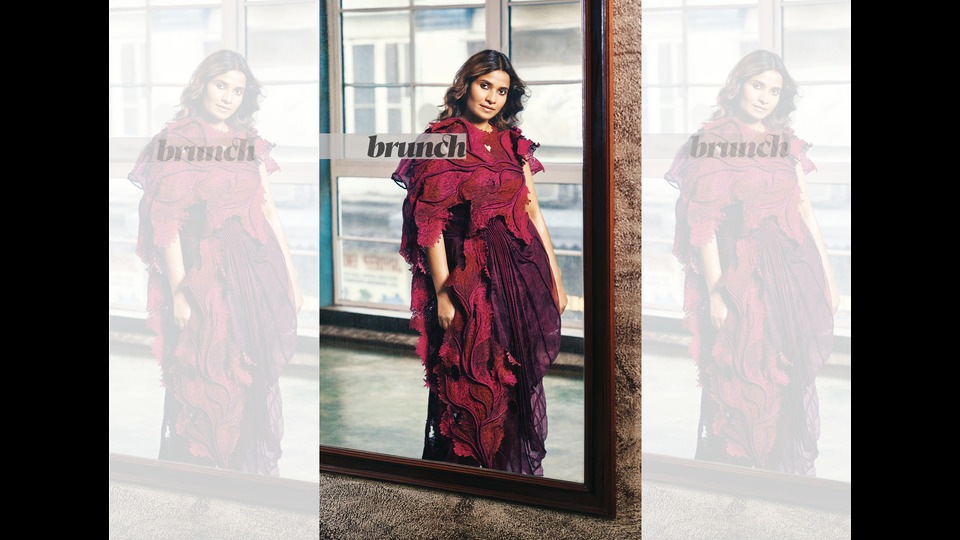
The fashion edit with Vaishali Shadangule: How did this relatively low-key designer get invited to showcase her collection at the prestigious Paris Couture Week? And why is she not going to town about it?
In a world where a ’gram-worthy aesthetic is a necessity, success is defined by the number of followers you have, and blue tick badges define your clout, what is it that truly defines the success of a fashion designer? Especially since we have come a long way from the time when mastering creative thinking was enough? The answer, it appears, is a truism today: aggressive marketing, influencer collaborations, immersive storytelling, and innovative PR strategies are all part of the making of a modern-day fashion brand.
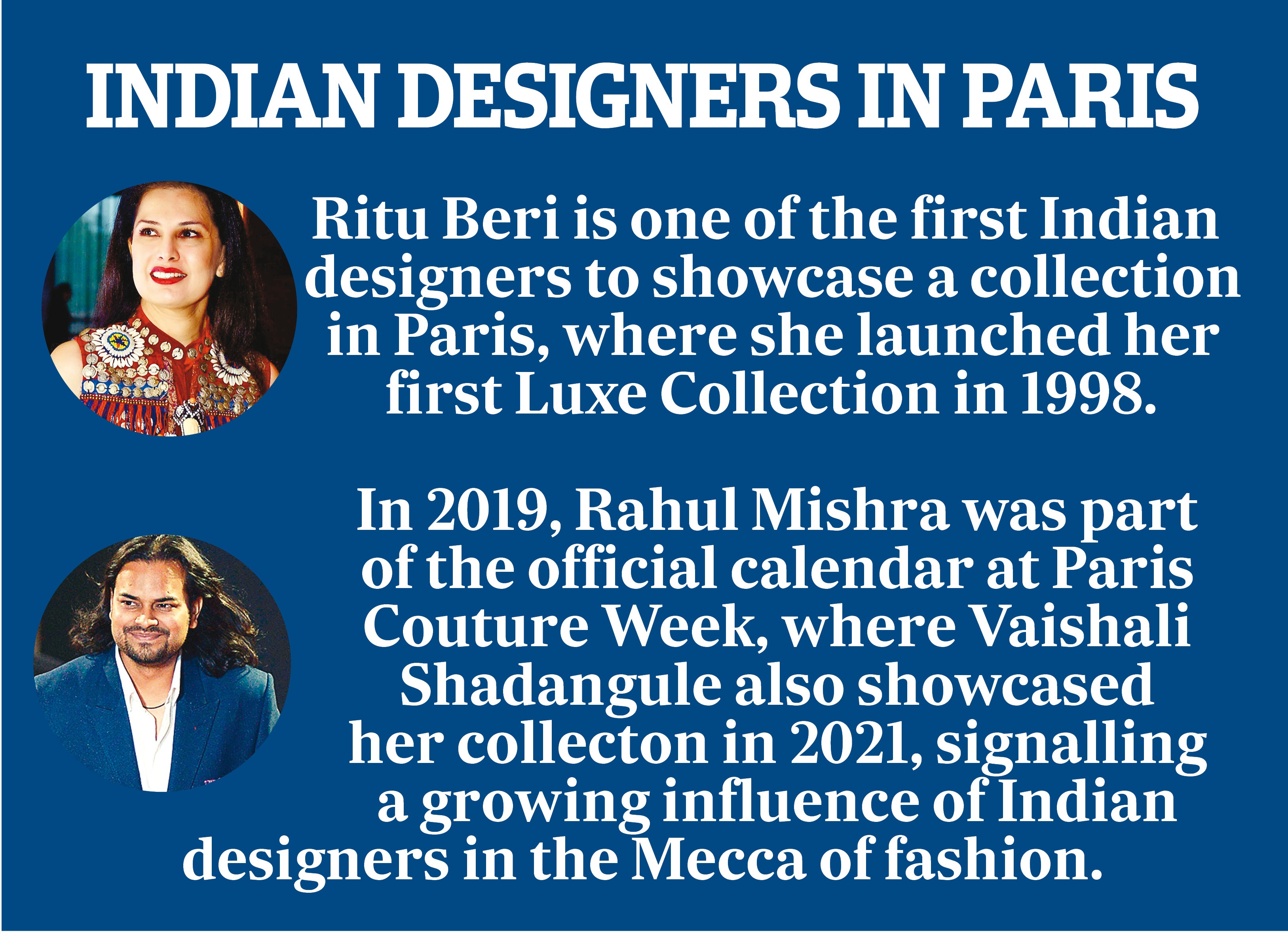
However, Vaishali Shadangule does not care. The 43-year-old fashion designer has defied many of these norms, and yet has been able to pave a path for herself in an industry where packaging often trumps the product. Her most recent accomplishment was an invitation from the Fédération de la Haute Couture to present at Paris Fashion Week in July of this year. In doing so, Shadangule became the first Indian woman to showcase her work alongside global fashion giants like Balenciaga, Dior, and Jean Paul Gaultier. She is also the second Indian designer, after Rahul Mishra, to receive this honour.
Cutting through clichés
“Maybe you’ll think I’m old-school, but I was taught that when you do good work, people will talk about it. I understand that the world is different now. But my journey is different. Marketing is important—businesses now depend on it. But I am happy with slow growth. My clients are happy because they see beautiful designs, and the fact that they are sustainable and support weavers is a bonus. I don’t want to create something that’s use-and-throw,” says Shadangule.
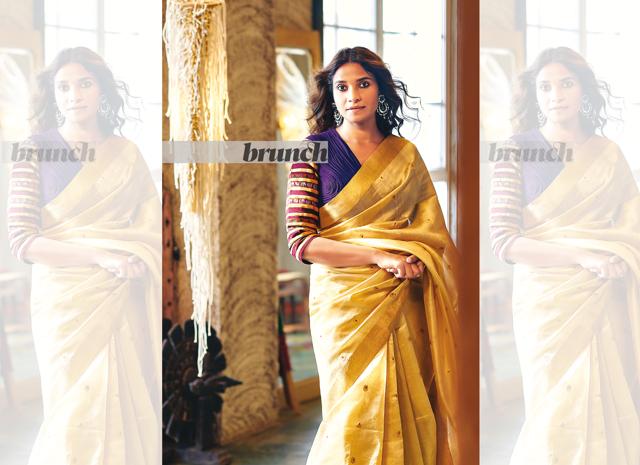
“Right now,” she adds, “There’s too much happening on social media. You don’t see the real things. If the packaging and marketing are good but the product is not strong, the life of the brand will be short. Maybe I’ll improve my marketing skills, but I still think the product should be the focus. If you are only investing in other paraphernalia, then the client won’t return. My growth might be slow but it goes well with my philosophy, my way of working, and my way of life.”
Craft meets couture
Staying true to her philosophy of slow living, Shadangule’s debut in Paris unveiled a collection that’s unlike most Indian couture. Titled ‘Shwas’ (breath), the showcase put Indian textiles—Murshidabad silk from West Bengal, merino wool produced in Maheshwar, the lightweight khand fabric along with jamdaani and chanderi—on the global map.
Asymmetrical, curved silhouettes cocooned the body without being constraining. And she used her signature technique of cording to create innovative, nature-inspired shapes.
“The Fédération was looking for a designer who presents innovation, craftsmanship, and sustainability. What helped me stand out was that I have never chased trends or business. If you look back at India’s costume history, every small detail was design-oriented, and sustainability was a way of life for us. We are now losing out on that. When an Indian designer goes international, the West expects layers of embroidery. However, I wanted to show them a balance between design, aesthetics, textile, and texture. We have the luxury to create our fabrics in India—I wanted Indian weaves and fabrics to be my focus.”
Post-pandemic challenges
A successful debut at couture week does not mean Shadangule did not face any challenges. For one thing, she received the invitation while she was still recovering from Covid-19.
“I was super stressed because the whole world was on lockdown. Mumbai was also at a standstill. I had 1.5-2 months [to put together a collection]—and I was not even in India at the time! I came back to Mumbai and called my kaarigars to my studio. Fourteen people agreed to come, and all of us stayed at my store. The fabrics were to come from various villages but courier services were not working. I did not even know how to send the collection to Paris. Somehow, I managed. It took me 14 days to reach Paris, crossing six-seven countries. I arrived one day before the show. But, it was all worth the effort.”
New world, old values
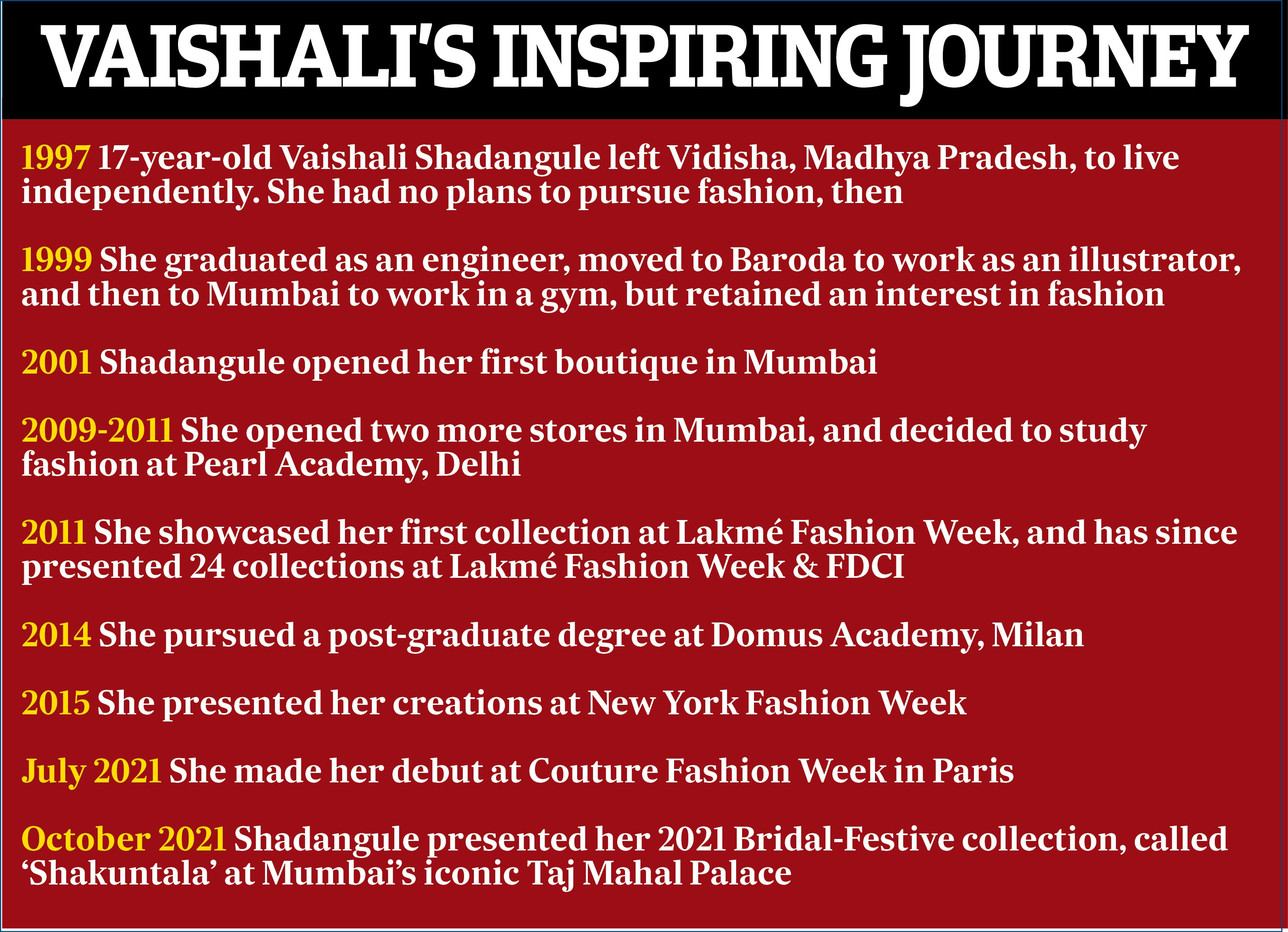
After her Paris success, does Shadangule now have a different roadmap in mind? “People are now talking about weaves and sustainability—something that has always been an inherent part of my brand DNA,” she says. “My dream was to take Indian weaves to an international platform. I used to see international designers using our skills, embroidery, fabric in different ways. I never understood why we were always behind the scenes.”
She adds: “While make-in-India is a great concept, I’ve always wanted to put Indian weaves and drapes on the global map. In fact, that’s what I started with when I opened shop in 2011. At the time, many believed this was not glamorous; that you can’t wear these clothes to parties. But I believed this is real luxury. So, while I’ve never changed my way of thinking, the world around me is changing,” she smiles.
From HT Brunch, November 28, 2021
Follow us on twitter.com/HTBrunch
Connect with us on facebook.com/hindustantimesbrunch


