
 E-Paper



Four more shots, please: Indie directors share their paths to success

 Prefer HTon Google


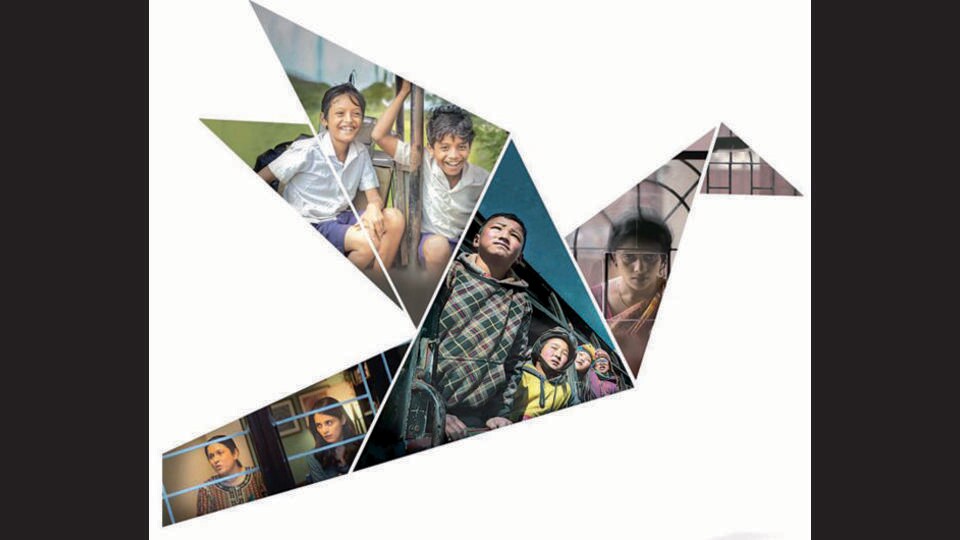
Independent films are telling new stories from India, winning new fans abroad. See how four debut filmmakers charted their own paths to global success
Plot twist: India’s indie film circuit has been doing cool things long before this year’s Oscar outing. Young filmmakers have been taking more chances than before, reaching across borders to collaborate, taking advantage of residencies and workshops abroad to hone their craft, falling gleefully down rabbit holes to tell new stories of a country everyone thought they knew.
This is, of course, fantastic news for viewers. Funding from a prestigious international organisation means that a film that would have never been made, now has a fighting chance. And even a non-fiction tale can be told with flair and wit. A premiere at a big international festival can boost a film’s viewership. So, in cinemas, multiplexes and on streaming networks, a new side of India is being presented to the world, perhaps for the first time.
Is the independent film scene truly blossoming or are the films merely repackaging old stereotypes in a new format? Most filmmakers acknowledge that, as films find global audiences, it makes sense to weave in some orientation: Explanatory narration, establishing shots, and familiar detail.
Ultimately, though, it’s the story itself that determine its success. A film can be set in India, funded from the UK, produced by a crew from India, Norway and France and premiere in Hong Kong. None of it will matter if it doesn’t connect with those watching.
The new opportunities are no guarantee of success, say filmmakers. What it means is a lot more doors to knock on. See how it’s all shaping up.
Faraway success
Prasun Chatterjee
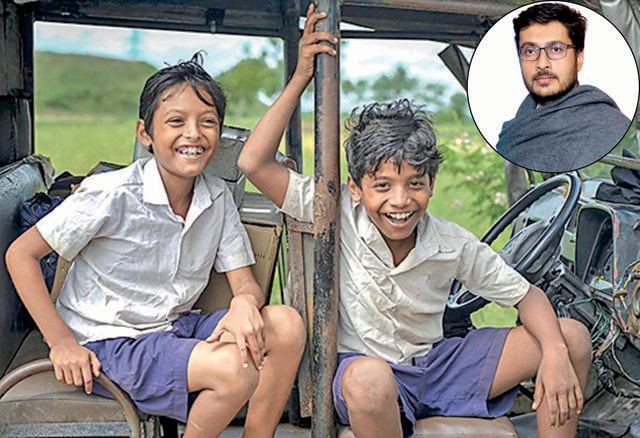
Prasun Chatterjee’s debut feature film Dostojee (Bengali, 2021) tells the tale of two young boys whose friendship takes on a changed dynamic in the wake of the destruction of the Babri Masjid. It has won multiple international awards including Best Film at the UK Asian Film Festival and Best Film at the Sharjah International Film Festival. It’s had theatrical releases in the US, UAE and Australia.
Chatterjee makes light of these accomplishments. Filmmaking, he says, still remains an expensive medium to tell a story. To justify it, then, it is important to turn a profit. “A lot of European films are made with the support of their government,” he points out. “This frees the filmmaker from thinking about market returns, which we can’t.”
Indian productions have only recently begun receiving grants from film cooperatives and agencies in Europe, the US and the Middle East. When Chatterjee started making Dostojee eight years ago, he didn’t know anything about film labs, residencies or collaborating with international producers. “That does not mean there is a defined path for a filmmaker,” he warns.
Competition is fierce. “Some places might just want a one-page note on the film you plan to make. Others want a few pages of the story,” he says. “There is always a possibility of rejection because that festival or grant was simply not looking for your kind of film.”
Everyone, however, is looking for one common thing. “What I have learnt from the success of Dostojee is that along with being local, there has to be some kind of universal connection with the film,” he says. “I felt this when people were watching our film in California and London. People who may have never been to India were in tears. What moved them was the story of a mother losing a child.”
Dreaming across borders
Suman Sen
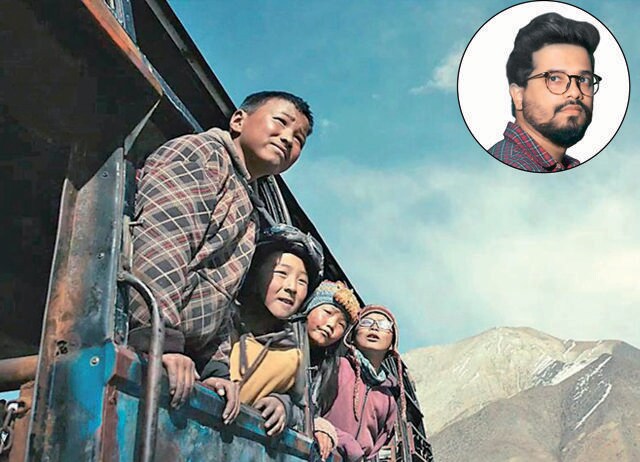
Suman Sen’s debut short The Silent Echo (Nepali, 2021) is set in the picturesque, remote Mustang region of Nepal and follows four music-loving teens as they gather the courage, and the money, to enter a band contest in a neighbouring town. It’s self-financed, with collaborators from Bangladesh, Paris, Nepal, Sweden, Lebanon, and India, and uses local kids as actors. It won the Best Short at the 2021 Raindance Film Festival.
Sen’s next film, Solo, has been granted funding from France’s Aide aux Cinémas du Monde. With money comes recognition and validation too, he says. “They lend credibility to your work in progress.” This doesn’t mean films must adapt to the needs of the organisations bankrolling them. “Be as authentic and true to a story and yourself as a possible,” he says. “Because organisations primarily want to know why you want to tell a certain story, how driven you are. Adapting a film to enter certain festival or market defeats that purpose.”
The path to fame is lonely and daunting enough for India’s independent filmmakers, more so if the filmmaker is also the producer. One has to cough up festival entry fees, work out which of the 1000+ film festivals globally are the right places to showcase the film, campaigning costs time, energy and money. Some producers hire festival strategists now. “But independent filmmakers rarely have the budget to do that,” Sen says.
So filmmakers just bootstrap it all, make the film they want, and hope for the best. India is entering a new space, the space itself is changing, there’s a lot of trial and error. Make your first film early, Sen recommends. “The faster you start, the faster you learn the ropes.”
Craft work
Reema Sengupta

Reema Sengupta, aka Reema Maya’s, 2018 short film Counterfeit Kunkoo (Hindi and Marathi, 2018) tells the tale of Smita, a middle-class Indian woman without a husband, looking for a house to rent in Mumbai. It reimagines the idea of the ideal Indian woman and what it means to escape an abusive marriage. It was the first Indian fiction short film to be in the official selection in 15 years when it premiered at the Sundance Film Festival.
The Sundance premiere wasn’t planned, says Sengupta. “Counterfeit Kunkoo was made because I needed to reset my artistic compass. The festival journey was incidental. Someone from my team sent in a WIP version to Sundance, and thankfully we got selected.”
Looking back, Sengupta believes that what worked with Counterfeit Kunkoo was that it was a culturally specific film with universal emotional themes. Only two members of the cast, the lead actors, were professionals. Her neighbours, friends and distant relatives chipped in to play the other parts.
XRM Media, an LA based production company that got acquainted with her work through Sundance, ended up producing her new film, Nocturnal Burger, which came out in January this year. It plays out over a single night at a Mumbai police station. XRM had unwavering faith in her voice, Sengupta says. “There was absolutely no interference at all,” she says. “This is an exciting time to be a filmmaker. The technology behind filmmaking has been democratised - the resources and the knowledge for both making a film and putting it out are now all available to you.”
Make it count
Shubham Yogi
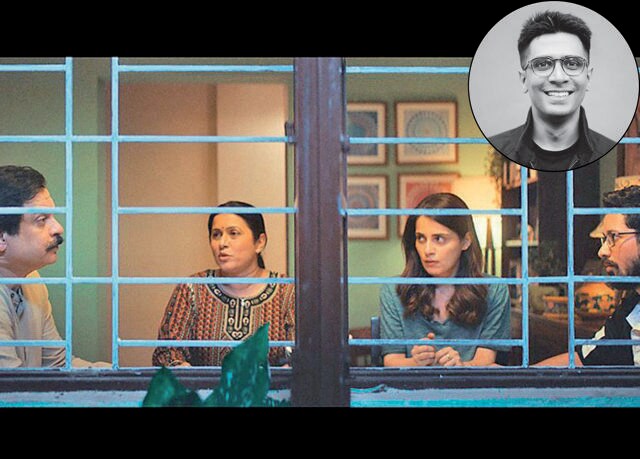
Shubham Yogi’s debut film Kacchey Limbu (Hindi, 2022) spotlights the bond between a sports-crazy brother and sister competing against each other in a high-stakes gully-cricket tournament. It premiered at the Toronto International Film Festival last year and across the festival circuit, it’s been lauded for telling its story without the usual sports-film tropes.
“I had no idea this film would open at TIFF,” Yogi says. “It was only after it was made that the team wanted to send it out to festivals. I still wondered if this is festival material.” His doubts were soothed at the film’s post-screening question-answer session. “Festival director Cameron Bailey told me that he liked this film because it put a smile on his face,” says Yogi.
Most festivals aim to showcase a diverse range of films, across themes, productions and genres. There’s no such thing as a “festival” film, they like to say. But independent cinema from India is starting to offer a refreshing alternative to Indian blockbusters, many of which also fight for festival platforms now.
Yogi doesn’t mind the tokenism. “This is a result of the ongoing healthy conversation around inclusivity,” he says. “I am all for it as long as it means more opportunities for voices that were going unheard in the existing systems.”


