
 E-Paper



So, your fave writer/singer/comic is a monster? Here’s how to cope

 Prefer HTon Google


Surprise, our heroes are human. Experts offer help on separating art from artist, and not getting trapped when big names come crashing down
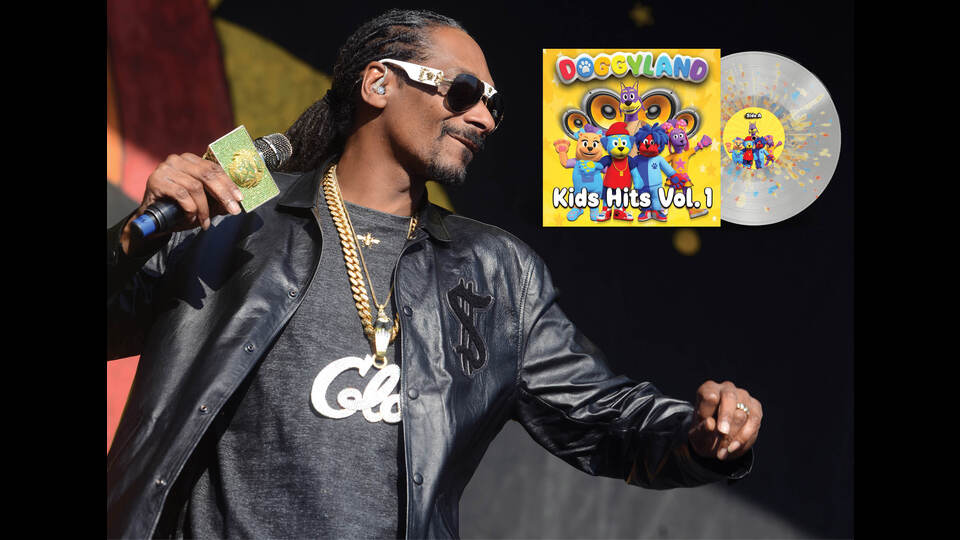
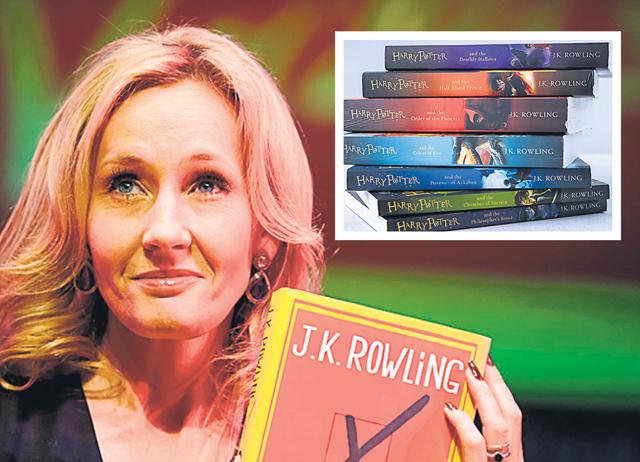
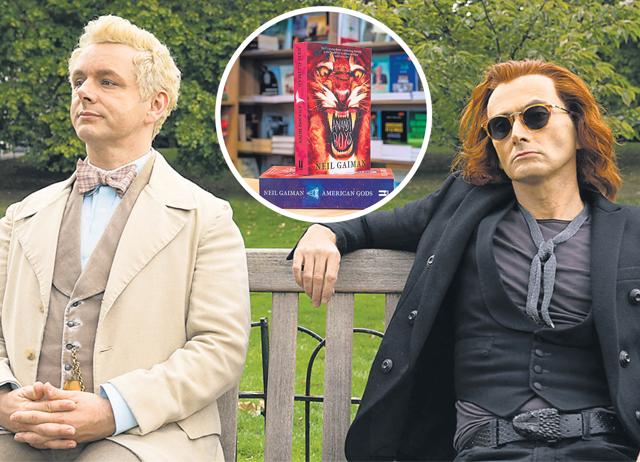
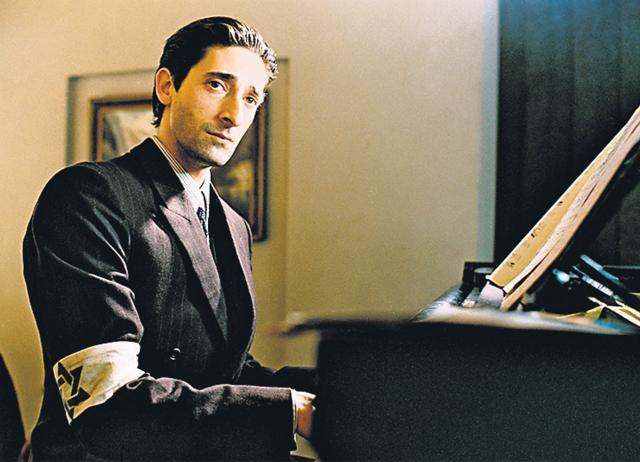
Let’s take stock of where our heroes stand, shall we? Author JK Rowling has revealed herself to be a raging transphobe. The late novelist Alice Munro, her daughter Andrea Robin Skinner has revealed, knew her husband was sexually abusing Skinner as a child, and did nothing to stop it. Multiple women have accused Neil Gaiman of sexual assault. Rapper Snoop Dogg has been arrested for illegal drug possession, holding firearms, and vandalism, but was one of the promoters of the Paris Olympics. Hollywood still can’t decide whether Woody Allen did or didn’t rape his young adopted daughter in 1992.
Where does that leave fans of the works these people have created or helped create? It’s not always a good-bad binary. But through the outpouring of rage, some guidelines are emerging.
Ownership rights
Jerry Pinto, poet and novelist, believes that no work of art – books, music, TV shows, even a stand-up comedy act – can be viewed from a black-and-white moral perspective. “Art is really an invitation to making a deeper connection with yourself,” he says. “And how you find that connection becomes part of the story.” So, what matters is our association with the work, not the morals of the person who made it.
Pinto says he watched Hannah Gadsby: Nanette (2017), in which Gadsby calls out artist Pablo Picasso for being a misogynist. It got him to re-examine his views on Picasso’s emotionally and physically abusive behaviour. “But at a museum in Los Angeles, facing one of his paintings, I knew he had the same spell on me as before.”
Publishing consultant Shreya Punj makes the case for separating art from artist too. She was devastated when she learnt that writer Neil Gaiman was accused of sexual assault; she’d grown up reading his stories and graphic novels. Turning away from them entirely was impossible. “When artists fail you, something in you breaks, but you still can’t stop loving what they’ve done for you,” she says. “I’m able to appreciate their art from an intellectual viewpoint.”
Besides, art is created by humans, and humans are fallible. In her 2023 book, Monsters: A Fan’s Dilemma, Claire Dederer describes her struggle with appreciating director Roman Polanski’s films, Rosemary’s Baby (1968) and Chinatown (1974), after learning that he is a sex offender and child rapist. She writes about this “unreconciled contradiction” and admits that guilt and appreciation can co-exist.
Harking back, branching out
A good way to decide whether to support an artist is to take into account what they did. Was it a criminal act or simply a moral failing? Have they been punished, apologised or remain stubbornly unrepentant? Polanski was convicted for some of his crimes. Comedian Louis CK, when publicly shamed for his sexual misconduct, retreated from the spotlight in apparent contrition. Rowling, meanwhile, posts anti-trans messages every day. And yet, the Harry Potter stories are as popular as ever, “because people feel represented in the teenage struggles they depict,” says Punj. “When readers so strongly identify with a piece of literature, it then becomes ‘their’ book. The art becomes bigger than the creator.”
It’s harder with dead heroes. Last year, the National Audubon Society, the pre-eminent bird conservation organisation, grappled with whether they should change their name. John James Audubon, who died in 1851, recorded bird species and championed their conservation. He was also a slaveholder and racist. The non-profit retained his name, but has committed to a $25 million fund to expand diversity and inclusion, to right those historical wrongs.
Another bird-conservation group responded differently. In June, NYC Audubon renamed itself NYC Bird Alliance to “better reflect our organisational values and our work,” their website says. The refocus also acknowledges the work of other people, just as with collectively created works such as movies, shows or albums.
Fiction writer Rahman Abbas believes that every artist is entitled to a private life. “It’s when their actions affect someone else’s life, that the issue is no longer limited to them,” he says. “If an artist engages in actions that abuse others, or protects a culprit, they are not exempt from accountability.” This is especially necessary when books are part of education. Pinto believes we need full disclosure. “We require a complete biography of the artist before we consume their work, so that we are armed with enough knowledge to make our own decisions.”
Rowling’s books gave us adventure, loyalty, friendship, magic. Snoop Dogg’s children’s albums tackle affirmation, self-love and celebrating diversity. The series adaptation of Gaiman’s Good Omens brings out the best in actors Michael Sheen and David Tenant (Oh, and Frances McDormand as the voice of God). Art is about emotional responses, and we can’t control what we respond to. “I always welcome a deepening of my theoretical and informational understanding of the work,” says Pinto. “But I also am going to react emotionally to it in ways I can’t predict.”
From HT Brunch, September 21, 2024
Follow us on www.instagram.com/htbrunch


