
 E-Paper



Soft sell: How slow and silent became the new marketing mantra

 Prefer HTon Google


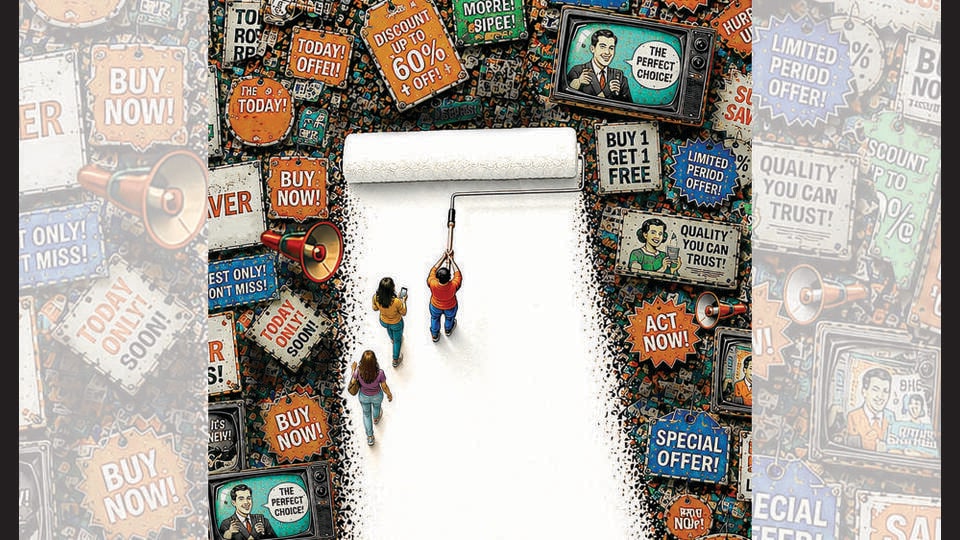
Advertising is going gentle on our eyes, ears and feeds. No loud logos, buy-buy-buy ads or pinging notifications. Has marketing finally learnt to chill?
Ugh. Marketing mantras. So loud and cringe. The “flood”, “blitz”, “below-the-line activation” and “360-degree coverage” to announce a new flavour of chips. The client who wants their logo bigger, bigger, bigger everywhere. Spotify ads that play louder than the songs. Start-up founders who want “only models” at their launch party. A product you bought only that one time last year, but which still sends you notifications every week.
Take a deep breath.
Now, throw that playbook out the window.
The most popular term in ads, PR handouts, product descriptions and marketing campaigns now is Quiet. When apps upgrade, they say they’ve made “quiet changes”. In the About Us section of websites, every founder is building a “quiet revolution”. Instagram updated its logo this month with no fanfare. Every new novel has “silently” found a fandom. Coffee, sold for decades as perker-upper, is now the drink to now savour in slow-mo. Even podcast voices are softer, more chill than the shouty urgency of Boomer news channels.
Everywhere you go, they’re subtly selling the slow and silent life.
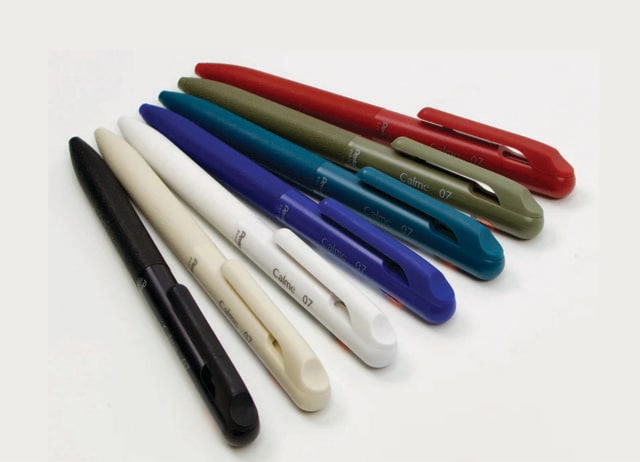
It could be that we came out of the pandemic so overwhelmed, so used to the quiet of home that the outside world felt newly jarring. Phones went permanently on Silent. Japanese firm Pentel started designing pens that would click softer. Fashion houses dropped monograms and flashy logos to match the global interest in Quiet Luxury. In 2026, the hushed tone continues across ASMR videos, soft balm-based cosmetics, and song titles written in lowercase. Quiet is so overused, it’s now a sign of AI writing.
How is everything dialled down and still open for business? With some just-as-quiet tweaks.
Buffer zone
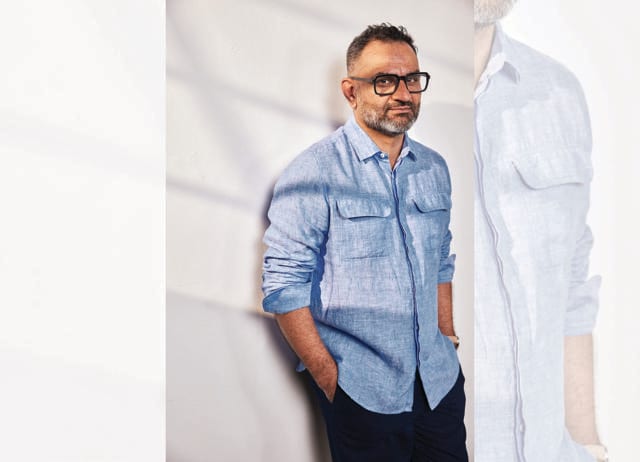
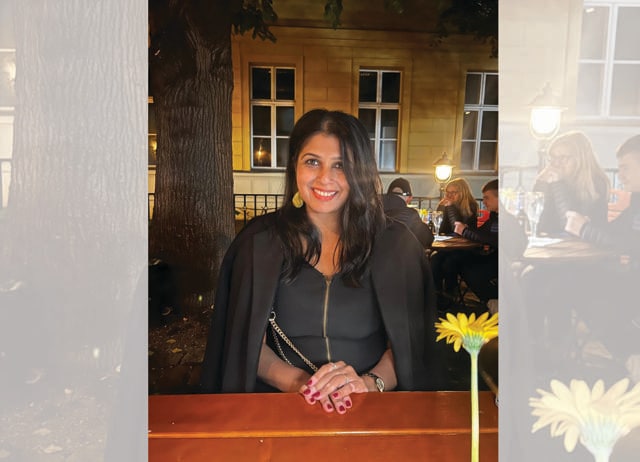
In 2011, when Apurva Kothari launched No Nasties, a fair-trade, organic, vegan clothing brand, no too many Indians were thinking about sustainability. “Now, we’ve entered a climate yawn,” he says. Indians aren’t just aware of the climate crisis, they’re overwhelmed by it and have sort of given up. “They don’t want to hear about sustainability. They want a distraction from their mental load,” Kothari says. So, to introduce the brand’s linen collection, he took the gentler route. “We told customers that we use non-toxic dyes, which support hormonal issues and PCOS/PMOS,” he says.
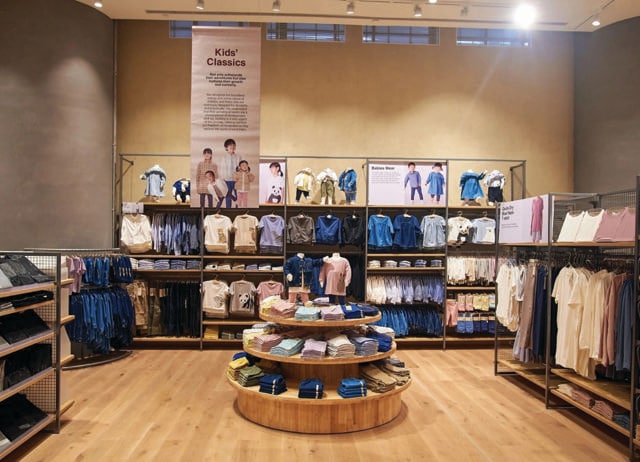
Other companies are taking cues from the clutter-free store design of Muji and Uniqlo so their showrooms look less like a bazaar and more like a first-class lounge. Consumer appliance brand EDT (Everyday Design and Technology), which launched online in January, is coming up with its first store space within the Croma chain. It mirrors the clean lines of their see-through air fryer and other products.
And new businesses are stepping away from blockbuster launches. Mili Patel launched Atypical, a line of sunscreens this April, with no flash. She had been posting about her challenges with formulating sun-protection products for Indian weather for months. She’d document her experiences with manufacturers, and why she picked one from Australia. Followers knew a product was coming, they didn’t need to be jolted into it. They calmly went with the flow and bought out her stock.
Noiseless buzz
In 2026, if a brand is still bombarding customers with notifications, intruding into their personal space and refusing to chill, they’re likely not doing too well with young people. Buyers are more protective with their peace of mind; they’re fed up of tall claims. They unfollow pages that don’t fit their vibe. They see information overload as a personal attack.

“So, quiet events, such as a terrazzo workshop to launch an almond oil, or a Pilates session to introduce a new perfume, build connections better,” says Komal Lath of Tute Consult, which has helped market Victoria’s Secret, Tira, Minimalist, Colorbar and L’Occitane in India.
At The Postbox, a leather goods brand, founder Nikhil Joseph knows how annoying it is when advertising intrudes on everyday life, ruining a good moment. The pinned post on their Insta: Side-by-side photos of the same Palma wallet: One brand new, one 246 days old. It swaps the pressure to buy-buy-buy with the joy of holding on to beautiful things. And when they do announce a new style, the focus is not on the product, but the process: “Fair wages, fixed operating hours and much more.”
The surest sign that slow and silent works is how the vibe around drinking has changed. No crass calendars, no loud music, no boundary pushing. The focus is now on “zero-alcohol drinks, clean ingredients in cocktails, and house parties,” Lath says. “Those in their 30s and 40s have mellowed out of their party era, young people are less interested in drinking and more into mental-health choices in the way they sleep, eat, move and socialise. So, going lowkey seems to work for everyone.”

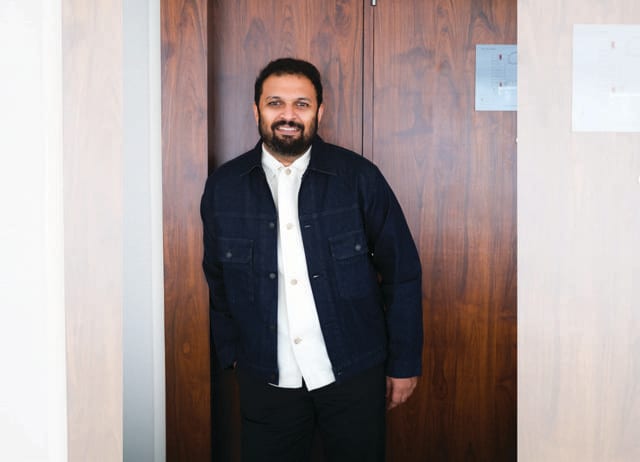
Consider how three-year-old gin brand Cherrapunji operates. The drink comes in a reusable stainless-steel bottle (the lid serves as a measuring cup) and the designs on the surface evoke founder Mayukh Hazarika’s home state of Meghalaya. There isn’t enough Cherrapunji gin to stock every bar and booze shop in big cities. So, they don’t send out a barrage of notifications, pay for billboards or primetime ad slots. “We post availability on social media, and stock gets wiped out within a day.”
Hazarika himself has stayed in the background for so long, “last year, a Reel asking to meet the maker of the gin went viral, with 11 million combined views,” Hazarika says. “People even started remixing that audio.”
Breathe out
Online, a new subset of content creators is emerging. They use their platform to share advice and information rather than sell products. They take on fewer collaborations and barely mention the brand name or slogan, which takes the cringe out of the sales pitch. There’s even a name for them: Genuinfluencers.
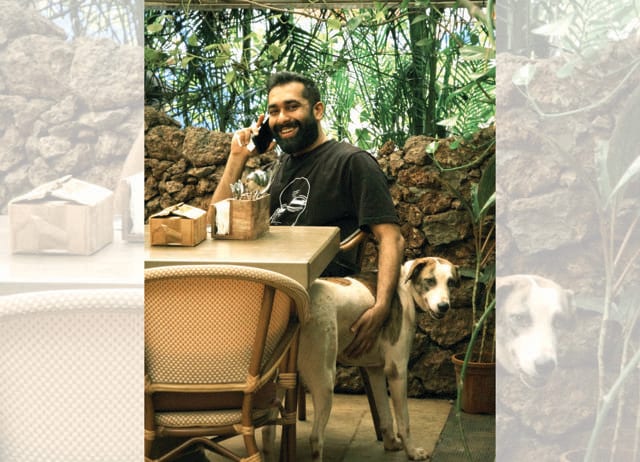
Offline, the buzz of cafés has mellowed too. In Saligao, North Goa, Dishant Pritamani let a blue-trumpet vine grow unhindered for two years until it covered the 800-square-foot space of Café Lento, which he co-founded. The trails now snake out across the walls and floor; there’s a built-in irrigation system to water it all. At their Pune outpost, they attempted rusting the décor to evoke the feel of sitting in a ruin. Escape is the selling point, Pritamani says. “The feeling of being cut off, or being anywhere but in your reality.”
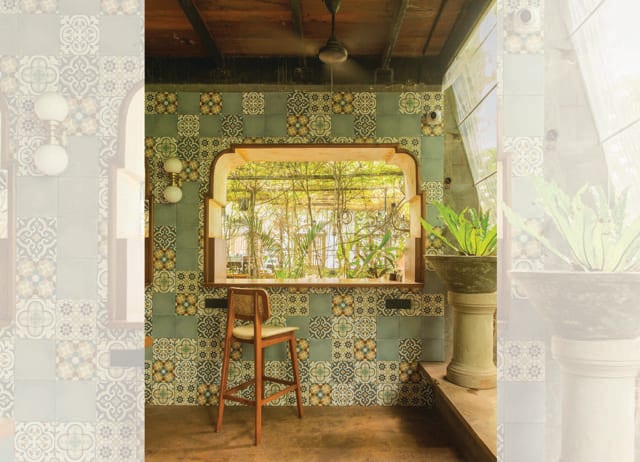
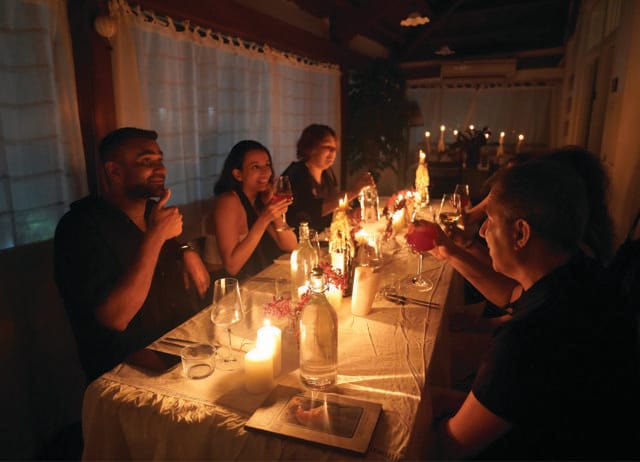
Even if your reality is a packed metropolis. The Find Atelier, a supper club inside a 140-year-old mansion in Bandra, Mumbai, is designed for lingering. “Hustle is robotic, slow is focused,” says chef Aalisha Sable, who founded the space with her sister Riona. Soft floor-lighting and candles aim to regulate the nervous system. The music begins with light jazz and flows into retro. The four courses of the set meal are served without hurry.
Purva Mehra, a brand strategist who has worked with businesses such as Food Square, Pomodoro, and Pardon Our French, says going slow and silent in a market that traditionally worked by shouting competitors down is good for both the buyer and seller. “Brands are saying we care for your wellbeing. But if those brands ask you to blast it all over your feed to promote it, it defeats the purpose.”
From HT Brunch, August 22, 2026
Follow us on www.instagram.com/htbrunch


