E-Paper



Listicle: 10 things about dining out that we used to love
From maroon interiors to finger bowls, 10 things we miss from the once-posh restaurants of our childhood

 Prefer HTon Google


- 1
The maroon 5.
It didn’t matter if the restaurant served Indian or Chinese or both. The faux-leather upholstery was maroon. The shiny table runners were maroon. The crockery (down to the little vase for a single rose) carried a maroon border. Servers’ vests were maroon. The carpeting started out red but turned maroon over the years.
- 2
That amber glow.
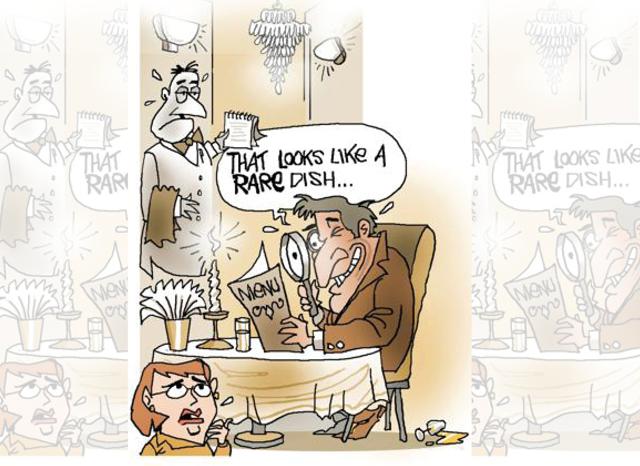
Lightbulbs in recessed niches, candlelit tables. It was bright enough to see the napkins folded accordion, bishop or swan style. Even in dimly lit bars, it was possible to read the menu, see your food and find your way back to the right table after washing hands or a smoke break.

- 3
The rationed menu.
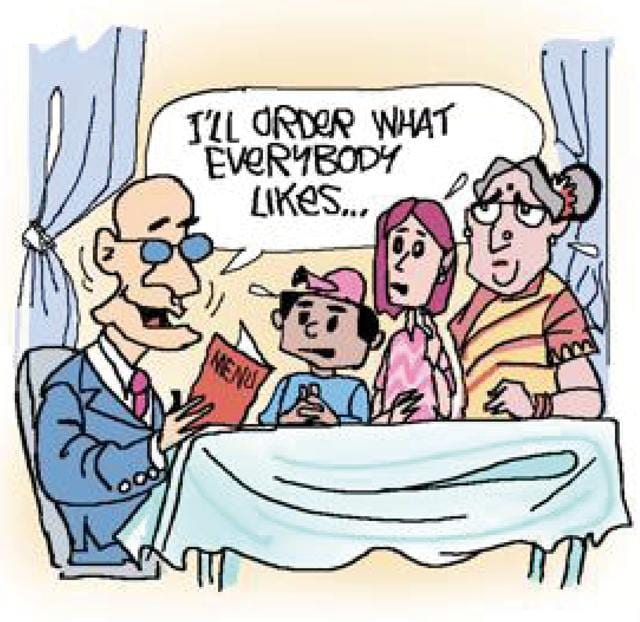
You’d see them, stacked neatly on the service cabinet in the corner, a dozen leatherbound menus. And yet, a table of four would be given only one, to Daddy, so he could order for the family and keep the meal within budget. Couple dining out? Men get the menu. How about three men dining out? Still only one.
- 4
The dad-level wordplay.
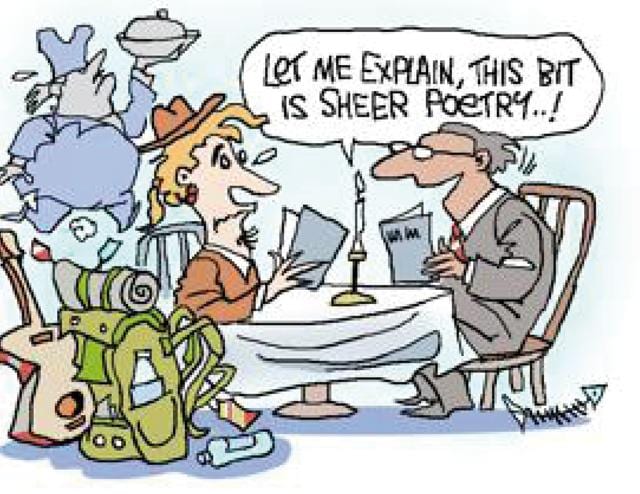
Starters: Shuruaat yahan se. Veg mains: Sabzi mandi se. Seafood: Samundar se khaas. Breads: Roti ki tokri or (wait for it) halkey phulkey. Dessert: Kuch meetha ho jaye? Sheer poetry.
- 5
The dressed-up dishes.
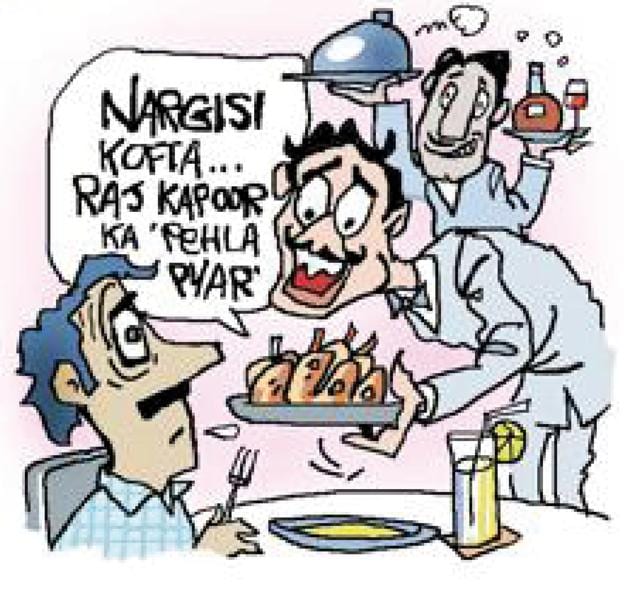
No lungs went into a lung fung soup (a thick sour-spicy seafood or chicken broth with veggies). No Nargises were harmed in the making of a Nargisi kofta (named after the yellow-centred white flower it resembles when cut in half). There was no standard recipe for jalfrezi (a stir-fry curry, with a name Anglicised from the Bengali term jhāl porhezī, meaning spicy food). No one yet knows which nine gems definitively make up a navratan korma.
- 6
The stretch.
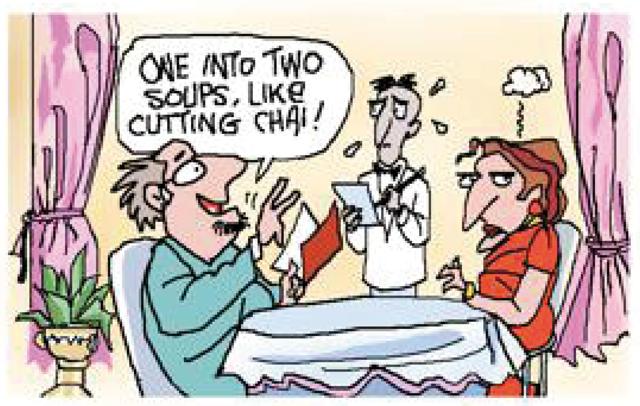
Soups could be split “one by two”, giving diners a half-portion high. A fresh-lime soda would often be deemed “too sweet”, and watered down into two glasses for the same price. The free sliced onions bulked up all the curries and sabzis. There was no kids’ menu, but every kitchen offered a small plate of rice, dahi and sugar for toddlers, for free.
- 7
The palate and palette.
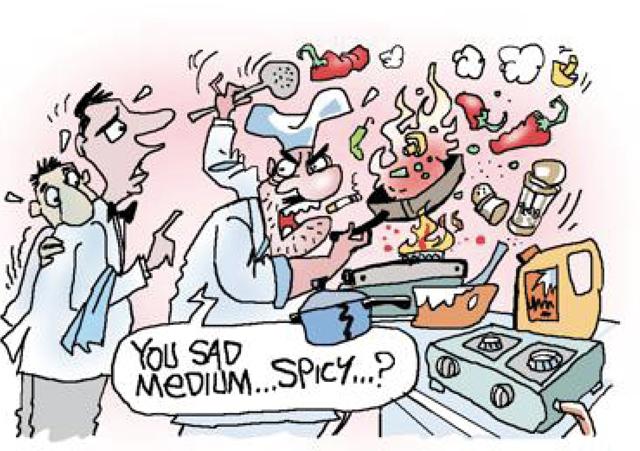
No palak made at home ever produced a puree so bright a green. No tikkas outside a commercial kitchen glowed so vividly red. Stir-fry components retained their shapes and flavours, thanks to quick high-flame cooking. Curious about the taste of a particular dish? It was (and still is) described as “medium spicy”.
- 8
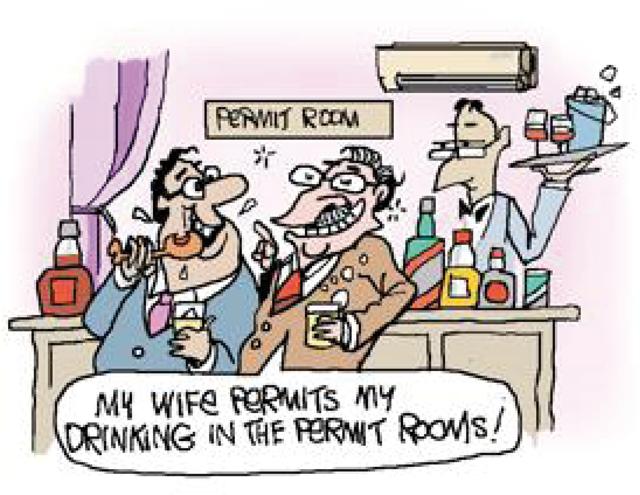
The Permit Room.
The VIP lounge of the pre-liberalisation era. Permit rooms permitted the serving of alcohol, but permitted little else. They were the first sections to be air-conditioned (family areas rarely billed as much). Waiters remembered what the regulars ordered, down to how they liked their stuffed pomfret or chatpata chana.
- 9
The playlist from the past.
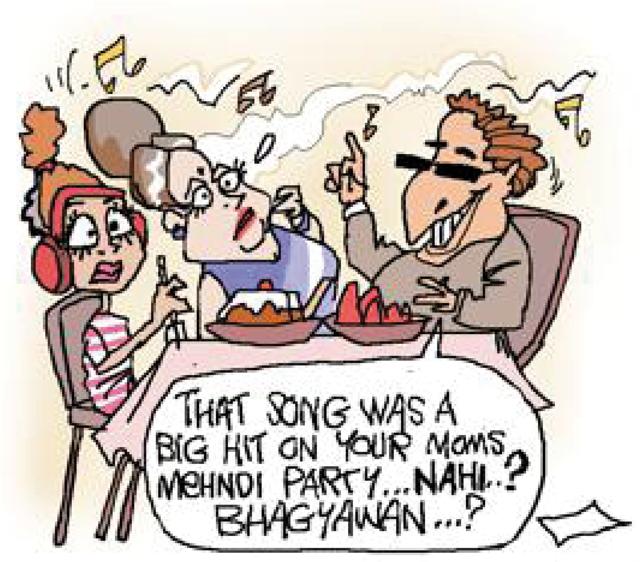
While the food’s arrives, let’s guess the name of the old film song playing softly as an instrumental over the speakers. Sounds like Jagjit Singh, but the last one was too. This one might be Kabhi Kabhi, let’s wait for the chorus. This one has Venetian vibes, it must be Do Lafzon ki Hai. Oh they’re playing them all again.
- 10
The warm goodbye.
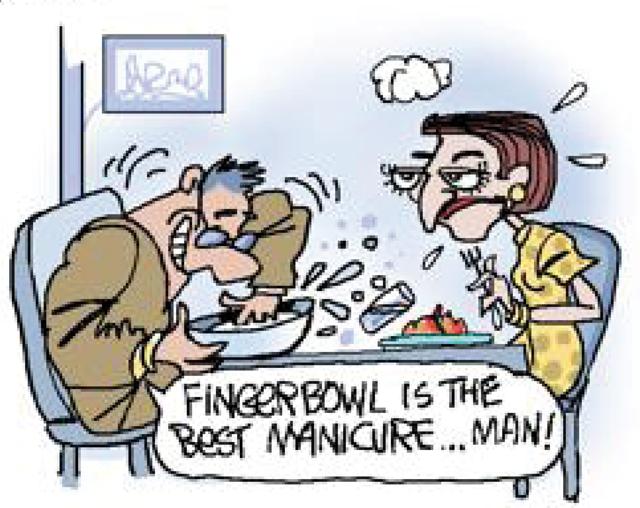
The meal’s done. Everyone’s too lazy to walk to the same wash basin they used before they started eating. “Sir, finger bowl?” Yes, please! And with it, the inevitable classist delusion: “You know, some people think this is for drinking. Hahahaha.”