
 E-Paper



Smells like team spirit: Why organised fandom is having its moment

 Prefer HTon Google


On social media, fandom now runs so deep, wields so much power, it can make or break a celebrity. See how loyalists steer the show
In February this year, serious drama erupted between Hailey Bieber (wife of Justin Bieber) and Selena Gomez (ex of Justin Bieber). Hailey Bieber posted, then quickly deleted, a Tik Tok that was misinterpreted as bodyshaming Gomez. In turn, Gomez fans mobilised, scrutinising Bieber’s entire social-media history, blowing innocuous posts out of proportion, interpreting them as snide jabs aimed at Gomez. Bieber fans hit back with accusations of their own. Both armies posted Reels full of “evidence, you guys!” to support their theories. Kylie Jenner was caught in the crossfire. Bieber lost over 1 million Instagram followers in the aftermath. Gomez had to plead with her TikTok followers to not send Hailey threats. Things calmed down only in June.
Who’d imagine there’d come a time when celebrities would have to step in and broker peace among their fans? SRK didn’t do it at the peak of his rivalry with Salman Khan. AR Rahman has never had to worry about music enthusiasts getting out of control. But over the past decade, fan groups have come to hold enormous amounts of power. They mobilise on social media, post every update, quash every rumour, wield loyalties like badges of honour, negotiate with their idols for attention, even spark feuds.
That kind of loyalty even fuels the entertainment business, says Tusharr Kumar, COO of OML. “Fan communities help keep the conversion about a celebrity going. They’re also the first to stand up for them,” he says. “Collectively, they can sway opinion and sentiment in a significant way.” No wonder celebrities go all out to keep them happy.
By the gram
Film and music celebrities tend not to interact with fans directly, says Kumar. With content creators, celebrities birthed by the internet and transformed by it, fandom looks different. Here, “fans feel a sense of inclusion and closeness even when they watch vlogs as the person is letting fans into their lives,” he says.
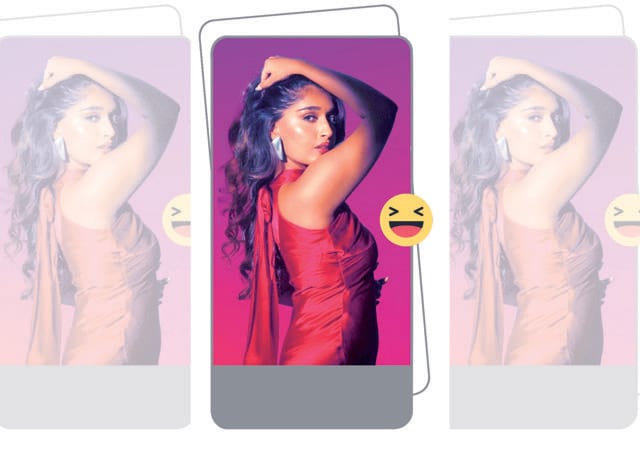
Content creator Niharika NM (26, @niharika_nm) witnessed the change firsthand over the last decade. “Things changed when people you knew from college started getting the attention no one thought they would,” she says. “Celebrities became accessible to fans and trolls alike. And because the internet is a medium where a war can start immediately, fans have more power.”
Niharika credits her own popularity (2.57 million YouTube subscribers, 3.4 million followers on Instagram, collabs with Priyanka Chopra Jonas) to fan support. She says she wouldn’t have become a content creator had one funny Reel about relationships not gone viral, taking her from 100k followers to 1 million in late 2021. She kept at it through the lockdown only because fans DMed her, saying her upbeat videos were helping them through the difficult time.
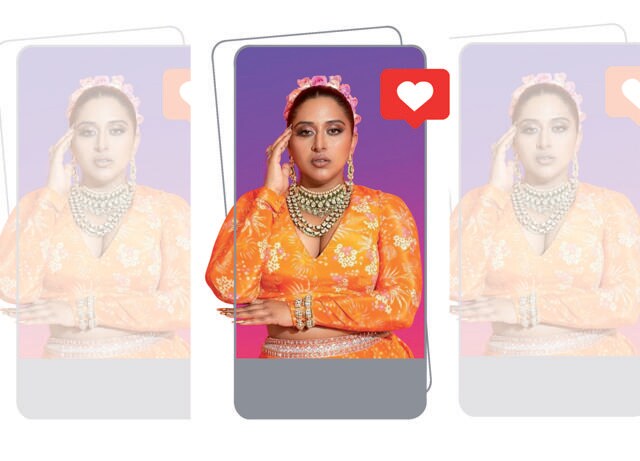
A visible, vocal fan base can move mountains – even relocate celebrities. California-born rapper, songwriter and singer Raja Kumari (37, @therajakumari) said she relocated to India after her debut in 2016 because of her fans. “I was done with the American music industry telling me that Indian culture is not a part of the mainstream,” she says. “When I saw Indians in the front row, singing along with me at performances, I knew.”
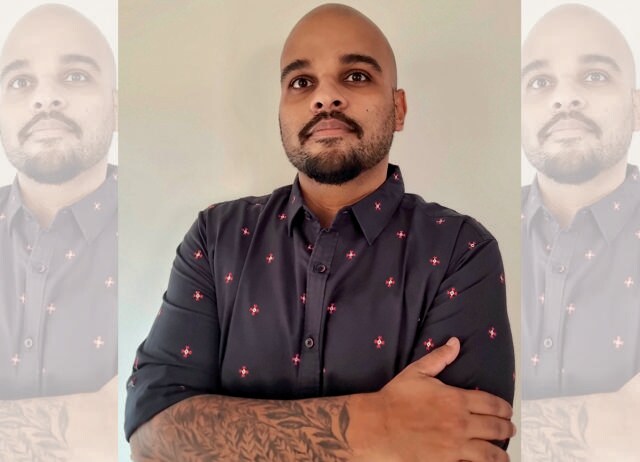
And in show business, which can often seem fake, forced and friendless, it’s often the fans that keep it real. Nikhil Sharma (35, @nikkkhil) who posts biking content as Mumbiker Nikhil, says he’s been assisted aplenty by them. One follower booked him into a hotel in Toronto for free. Last month, when his bike broke down near Minneapolis in the US, another follower drove from Chicago, six hours away, to help him and his friends out.
Loving them back
Fan support “can significantly impact the success of a movie or the popularity of a celebrity,” says Mandvi Sharma, MD and CEO at Tree-Shul Media Solutions, a public-relations company which has managed Shah Rukh Khan, Pooja Hegde and Kunal Kemmu. Encourage fans enough (perhaps throw in merch and special screenings) and they can hype up a struggling project, giving it higher opening weekend revenues. “Fans have also taken to social media to rally support when a film or show receives lacklustre response from critics or initial audience reviews,” Sharma adds. “It helps in the longevity of the project.”
But film fans have never had their idols reciprocate the love as energetically as internet celebrities do. Kumari says she asks fans for their opinions on her music. She reposts content from their pages, admitting that fans make better edits and catch trends faster than she does. Some, who started out as Kumari’s admirers are now her friends.
Nikhil Sharma says he replies to DMs every night before bed. He also shares tribute Reels and follows a few of his fans back. “Some of them post and tag a celebrity relentlessly, which works,” he points out. “It’s impossible to ignore someone who’s tagging you every hour.” Niharika follows 10 fan pages, reposts fan tributes and even composes long replies to some comments on Instagram. “They send such cheesy messages that if it were a man were saying such things to me, I would have married him by now,” she says, laughing.
Power moves
Online, where comment sections can get vicious, content creators have been known to deploy fans to manage the mess. Most of the work involves shutting down trolls, calling out a rival’s snark, building up a tide of support when a celebrity misstep goes viral. “Fact is, controversies create stars,” says Nikhil Sharma. “People want to see how the person faces controversy, because of which, the respect for them increases. It’s just that your comments section may look bad for a few days.”
To keep the excitement in check, social-media managers often stay in touch with fan clubs on behalf of the celebrity. “The best way to tackle potential issues is to have open conversations with them and politely request that interactions remain peaceful and positive,” says Mandvi Sharma. “Such requests hold more weight, especially when they come directly from the celebrity.”

But with the new generation of celebrities, loyalty is proving to be a valuable tool in unexpected ways. Kumari recalls the time she started singing in high school, when fans would leave posters outside her door. One fan told her that they loved her “elf-like nose”. The singer had never thought about her nose until then, but it triggered some insecurities. “It made me realise that fans will love you but also troll you,” she says.
Years later, a different set of fans have righted the balance. “During my first US tour in 2019, I saw a sea of Indian girls wearing leather jackets with jhumkas, owning their personality and culture. When I see people look up at me, someone who is curvy and not fair, it heals my inner child.”
What fans can do:
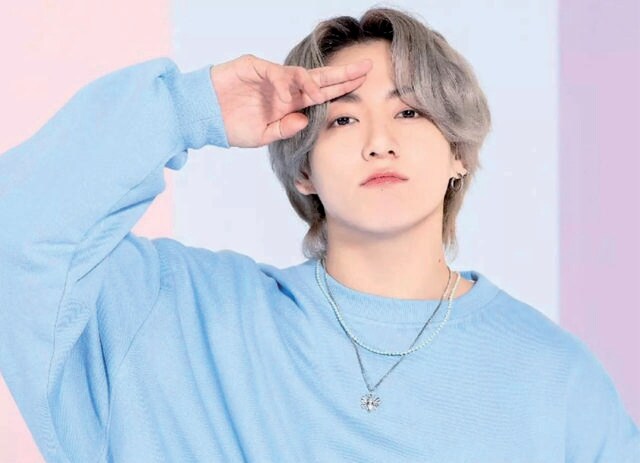
BTS: When Jungkook, the main vocalist of the globally acclaimed K-pop group, received a death threat in May 2023, fans globally rallied the band’s agency to provide better protection to the musicians. Security was quickly beefed up.
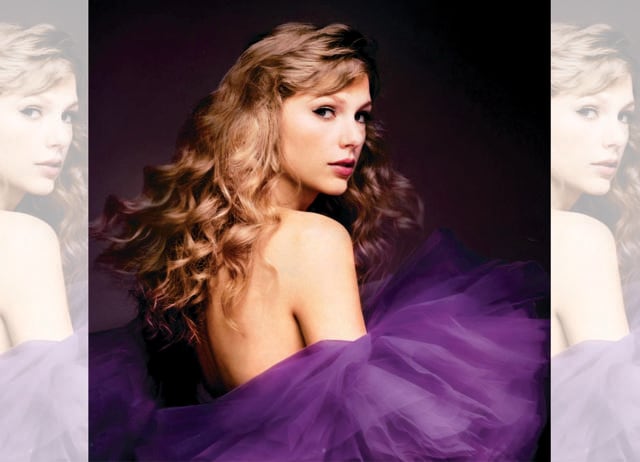
Taylor Swift: Swift is known to leave Easter eggs in her music, prompting fans to solve puzzles that sometimes don’t exist. In May, Swifties got it massively wrong when they misread some details to believe that she was releasing her memoir. They spent millions pre-ordering a book that wasn’t hers, making a random book a bestseller.
I’m a fan:
Ashish Kumar Shrivastava, 21, Raipur This BTech student set up the fan page (@nikhil_shanice_written_quotes, 9,000 followers) for Nikhil Sharma and his wife, Shanice, in 2020. He was 18 then and had already been following the biker’s YouTube videos for three years. “It’s difficult to maintain a fan page because it takes time to think up and create content for someone else,” he says. Posts appear three times a week, often just after Sharma’s videos are published. He also makes memes and Reels about his idol.
Dhiraj Kunder, 25, and Varun Shetty, 27, MumbaiThe friends set up @rajakumarifanpage on Instagram in January 2019, after being hooked to her debut song, Mute, in college. Both have full-time jobs now but refuse to give up on the page. “Raja Kumari follows us on Instagram, which keeps us motivated,” says Kunder. “Whenever she plays in Mumbai, she invites us. We never miss any of her shows.”


