
 E-Paper



The truth about new-page pronouns: when to use he/him and they/them?
An artist, activist and one of the first people to publicly change their preferred pronouns to they/them spells out how you can help make this a smooth transition


There are different layers when it comes to talking about pronouns. She/her and he/him are pronouns we are habituated to apply. The use of these two sets is based on assigned sex, which is quite different from the gender of a person. These pronouns align with society’s expectations.
I’m a non-binary person and when I’m referred to as she/her, I feel the people who assume that I’m a woman expect me to behave like one. It may sound insignificant. After all, it’s just two words. But it’s so much more. I didn’t change my pronouns when I came out as non-binary in 2017, but she/her seemed to address just a small part of myself. There was a change in my body language and there was the involuntary reflex of trying to put on the performance of being a woman.
Choosing to be addressed as them/they is living a life where I decide how I want to be referred to, rather than allowing people to refer to me according to their convenience or habits. I made this switch in pronouns in 2018 and it was difficult for me too, due to the conditioning of not ever using they/them. But I felt seen and as though I was wanted for being me.
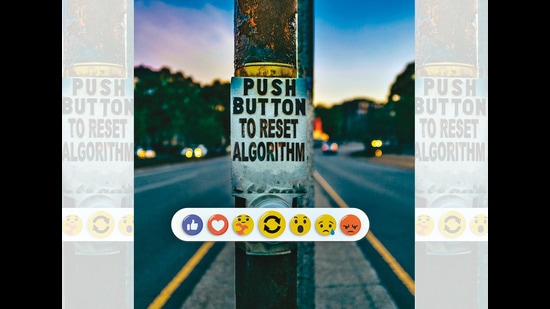
That’s when I started noticing how many times people misgendered me. It started bothering me although I knew it wasn’t on purpose or to invalidate my identity. I carried a clicker for a few days and realised I was misgendered 250 times a day on an average. I tried the clicker at a party and the number was around 900.
Why is it a privilege to be addressed correctly and not misgendered?
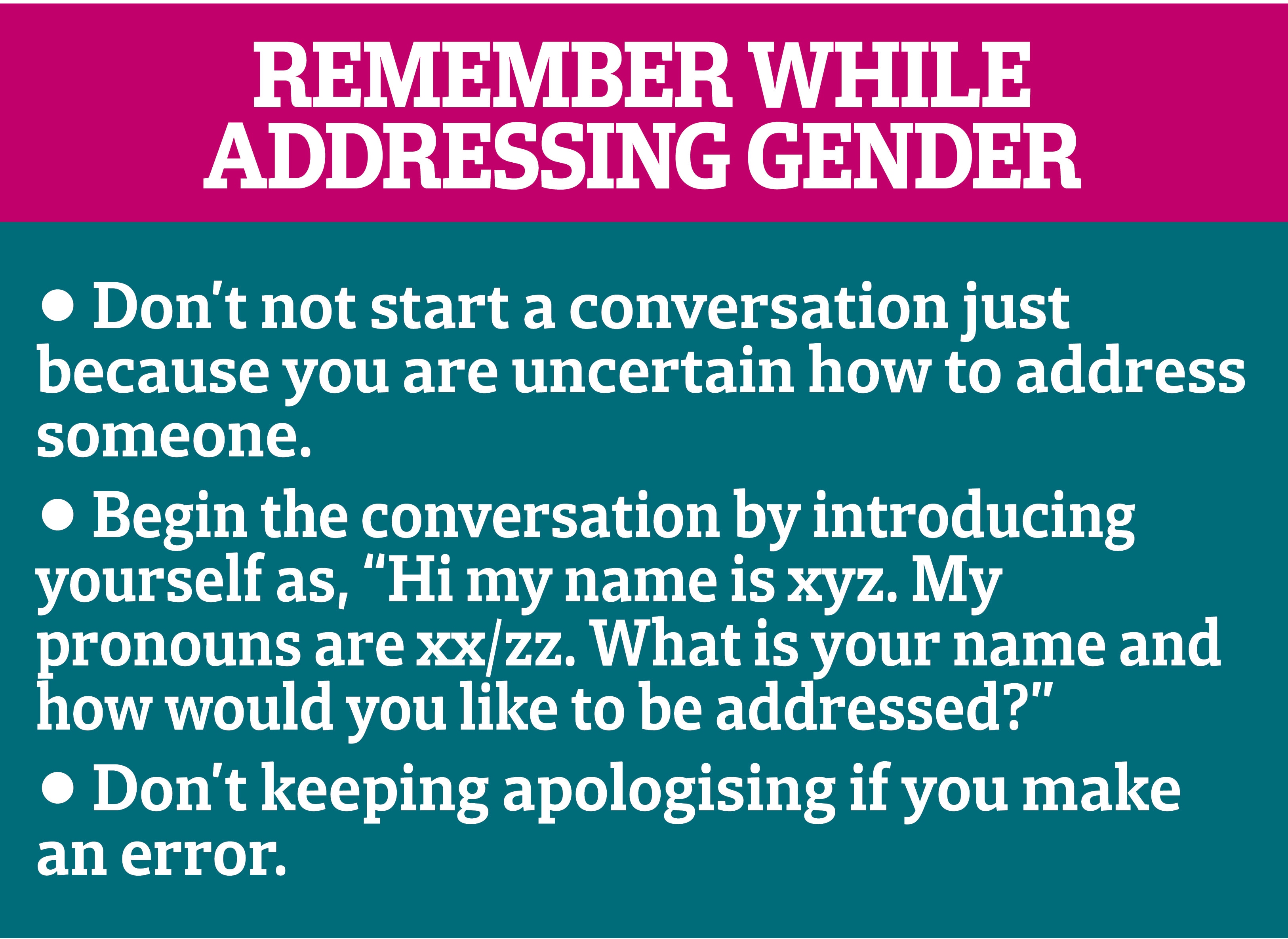
It’s exhausting for trans people when the onus is put on us to correct people. When people apologise, it breaks the flow of conversation.
Another burden is having to say it’s okay when it’s not okay for anyone to misgender anyone. So instead of apologising, break away from conditioning by retraining your brain to say they/them.
How do you know how someone wants to be addressed? Just ask the person!
And those who argue that they/them is plural, please refer to the Merriam-Webster dictionary, where it is defined as: “used to refer to a single person whose gender identity is nonbinary”.
There’s a distinction between who you are and what you are. I’ll always know what I am, even though I may not know who I am at that point.
As told to Karishma Kuenzang.
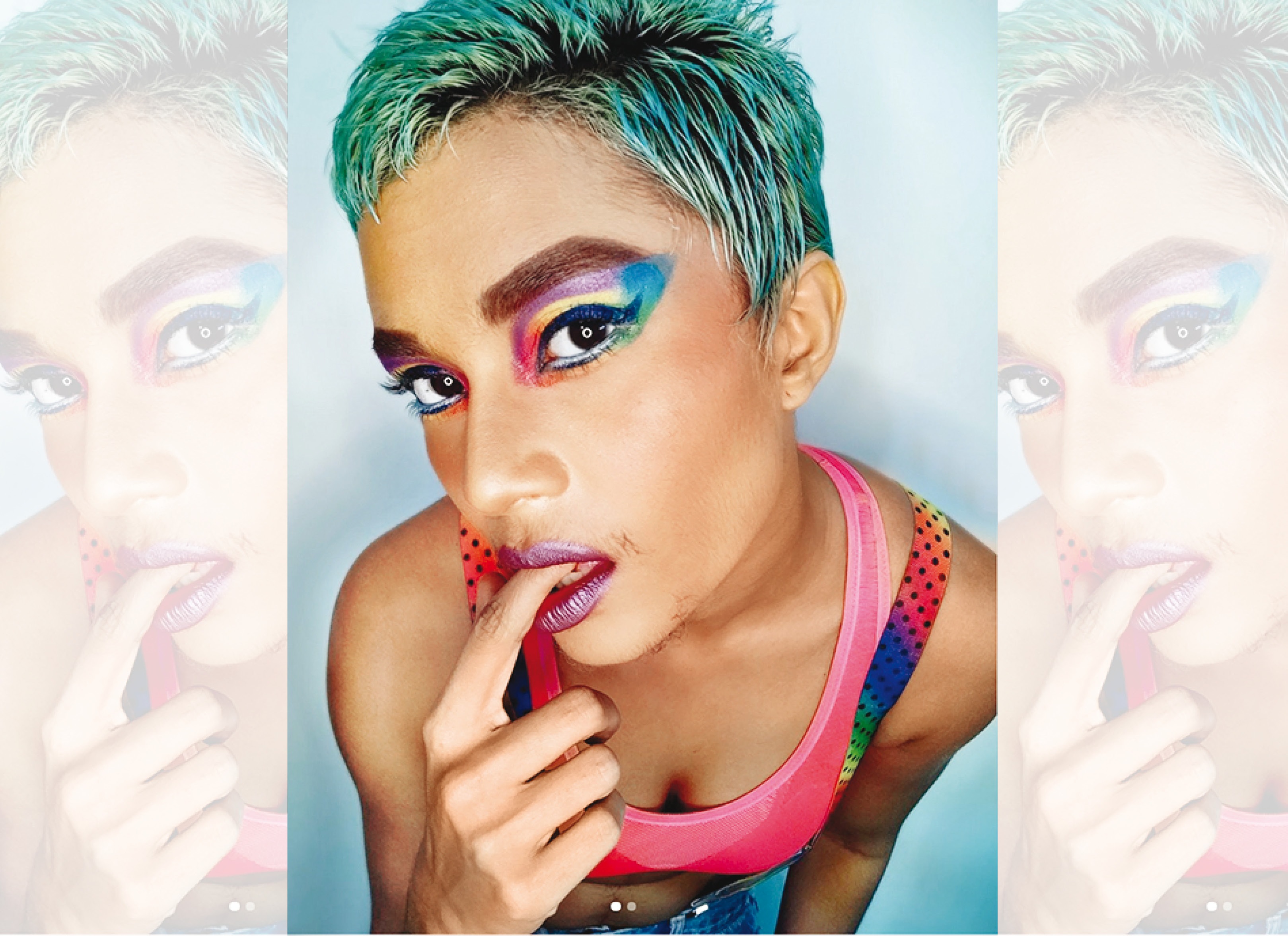
Durga Gawde, 28, is a Mumbai-based artist, activist, educator, model and India’s first performing drag king. They believe in making changes in the world by using creative action and thought to be themself.
Follow @kkuenzang on Twitter and Instagram
From HT Brunch, September 19, 2021
Follow us on twitter.com/HTBrunch
Connect with us on facebook.com/hindustantimesbrunch


