
 E-Paper



7 signs it’s time to see a cardiologist: Symptoms of heart attack and stroke you need to know

 Prefer HTon Google


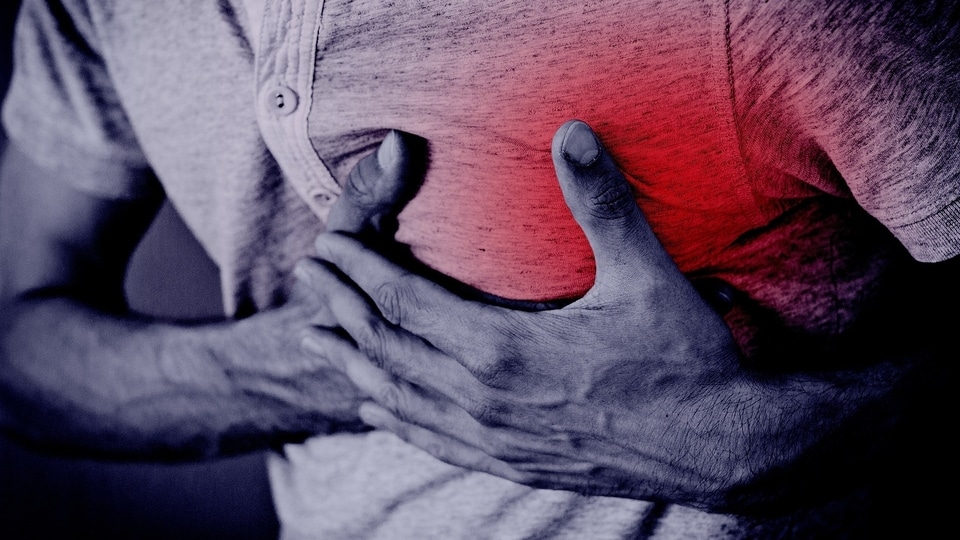
According to WHO, heart attacks and strokes are usually acute events mainly caused by a blockage that prevents blood from flowing to the heart or brain.
Cardiovascular diseases (CVDs) are the leading cause of death globally, accounting for approximately 32 percent of all deaths worldwide, according to the World Health Organization (WHO). Per WHO data shared in June 2021, around 17.9 million people died from CVDs in 2019, and of these deaths, 85 percent were due to heart attack and stroke. Also read | Cardiologist reveals 'blood test that predicts heart attacks and could save your life'
So, what causes heart disease, what are the symptoms of heart attacks and strokes, and is it possible to lower your risk of heart disease? Here's what WHO says you need to know about heart attacks and strokes, plus the major risk factors for developing them.
What is heart disease?
Heart disease is a broad term used to describe several types of heart conditions. According to WHO, CVDs are a group of disorders of the heart and blood vessels, which include:
⦿ Coronary heart disease – a disease of the blood vessels supplying the heart muscle
⦿ Cerebrovascular disease – a disease of the blood vessels supplying the brain
⦿ Peripheral arterial disease – a disease of blood vessels supplying the arms and legs
⦿ Rheumatic heart disease – damage to the heart muscle and heart valves from rheumatic fever, caused by streptococcal bacteria
⦿ Congenital heart disease – birth defects that affect the normal development and functioning of the heart caused by malformations of the heart structure from birth
⦿ Deep vein thrombosis and pulmonary embolism – blood clots in the leg veins, which can dislodge and move to the heart and lungs.
What is a heart attack and stroke?
According to WHO, heart attacks and strokes are usually acute events mainly caused by a blockage that prevents blood from flowing to the heart or brain. The most common reason for this is a build-up of fatty deposits on the inner walls of the blood vessels that supply the heart or brain. Strokes can also be caused by bleeding from a blood vessel in the brain or by blood clots.
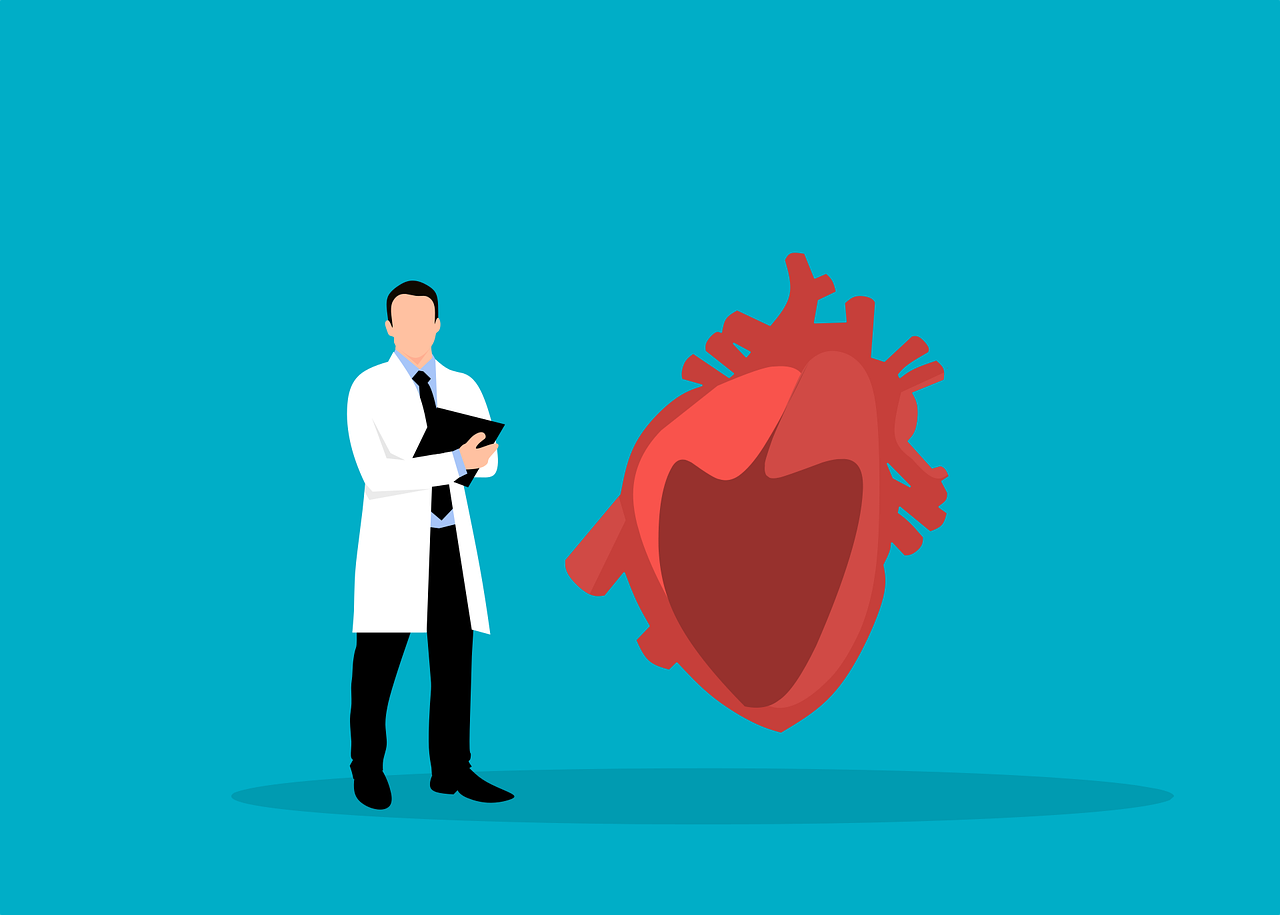
Symptoms of heart attacks, strokes
Often, there are no symptoms of the underlying disease of the blood vessels, and a heart attack or stroke may be the first sign of the underlying disease, per WHO. Symptoms of a heart attack include pain or discomfort in the centre of the chest, and/or pain or discomfort in the arms, the left shoulder, elbows, jaw, or back.
In addition, WHO shared that the person may experience difficulty in breathing or shortness of breath; nausea or vomiting; light-headedness or faintness; a cold sweat; and turning pale. Women are more likely than men to have shortness of breath, nausea, vomiting, and back or jaw pain.
The most common symptom of a stroke is sudden weakness of the face, arm, or leg, most often on one side of the body. Per WHO, the symptoms include the sudden onset of:
⦿ Numbness of the face, arm, or leg, especially on one side of the body
⦿ Confusion, difficulty speaking or understanding speech
⦿ Difficulty seeing with one or both eyes
⦿ Difficulty walking, dizziness and/or loss of balance or coordination
⦿ Severe headache with no known cause
⦿ Fainting or unconsciousness.
WHO recommends that people experiencing these symptoms should seek medical care immediately.
Who is at risk of heart attack or stroke?
According to WHO, the most important behavioural risk factors of heart disease and stroke are unhealthy diet, physical inactivity, tobacco use and harmful use of alcohol. Amongst environmental risk factors, air pollution is an important factor.
The effects of behavioural risk factors may show up in individuals as raised blood pressure, raised blood glucose, raised blood lipids, and overweight and obesity. These 'intermediate risks factors' can be measured in primary care facilities and indicate an increased risk of heart attack, stroke, heart failure and other complications.
Note to readers: This article is for informational purposes only and not a substitute for professional medical advice. Always seek the advice of your doctor with any questions about a medical condition.


Catch your daily dose of Fashion, Taylor Swift, Health, Festivals, Travel, Relationship, Recipe and all the other Latest Lifestyle News on Hindustan Times Website and APPs.


