
 E-Paper



Afraid fruits will spike blood sugar this summer? Endocrinologist shares correct way to eat mango, watermelon, and more

 Prefer HTon Google


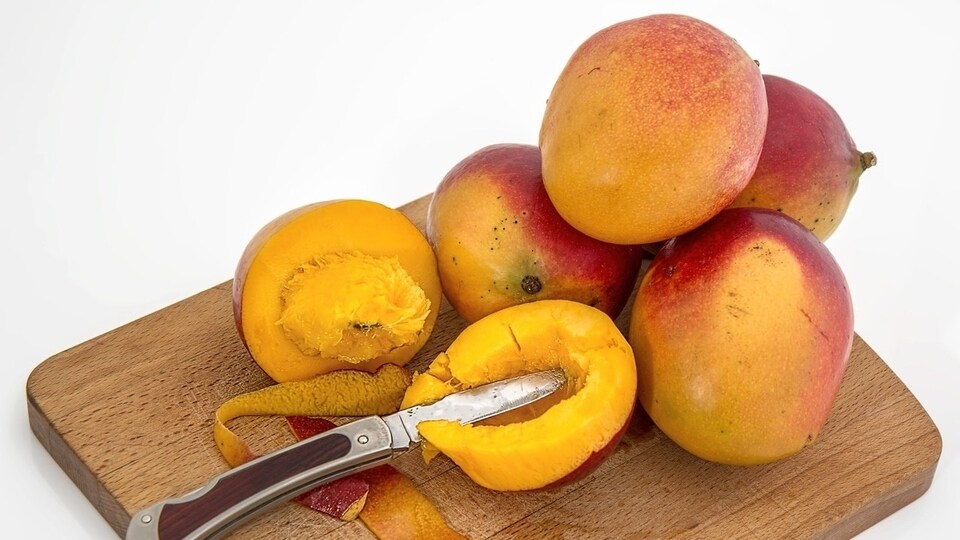
If you crave juicy fruits in summer, discover the appropriate and healthy ways of consuming them so you won't be in danger of rapid sugar spike
Summer creates a craving for juicy, refreshing fruits to beat the scorching heat. As 'nature's sweet treats', they satiate both your thirst with the pulpy juiciness and take care of your sweet tooth with the refreshing sweetness. But the fruits are inherently sweet with the potential to spike blood sugar levels.
However, you can still enjoy them if you know a few simple hacks to prevent sudden glucose spikes. We asked Dr Kalayan Kumar Gangopadhayay- consultant endocrinology at CK Birla Hospitals CMRI, to share his insights on summer fruits and how to have them.
Should people with diabetes avoid sweet fruits?
Before we look into the hacks and portion sizes, it is important to understand who is most vulnerable to sugar spikes from summer fruits: people with diabetes or insulin resistance. However, contrary to popular belief, the diabetologist demystified a common assumption: "Despite the common myth that people with diabetes should avoid fruit due to its sweetness, whole fruit is actually a nutrient-dense choice rich in fibre, vitamins, and antioxidants.”
While fruits are naturally sweet, he cautioned that the real culprits to avoid are added sugars found in sweets, cold drinks, and biscuits, rather than whole fruits themselves.
What is the correct way to eat fruits?
The focus should be shifted from what you eat to how you eat, if it is about summer fruits.
The first method is to keep the skin of the fruit. Often, the mistake people make is peeling the skin. The diabetologist reasoned, “The skin of the fruit is full of fibre. Eating whole fruit, especially the skin, is the best way to maximise your fibre intake and keep blood sugar levels steady. ” Fibre is important for your digestion as it helps to keep you satiated, while preventing sharp glucose spikes.
Fruit juice and smoothies are also much sought after in the summer season, but the doctor warned that when you juice them, the fibre is removed, which causes sharper blood sugar spikes.
Portion size of fruits
Now, how do you understand how much fruit you should eat? The doctor recommended sticking to two portions of fruit per day, with one portion being about 80 grams. But what does that actually look like? “80 grams is roughly what fits into the palm of an adult hand,” the doctor explained, making it easier to visualise and portion correctly without you overthinking the measurements.
What fruits should you have?

The doctor shared a list of fruits based on their size, along with what an ideal portion looks like:
1. Small-sized fruits
Portion: Small fruit's one portion is two or more pieces
- Two plums
- Two kiwi fruit
- Three apricots
- Six lychees
- Seven strawberries
- 14 cherries
2. Medium-sized fruit
Portion: Medium-sized fresh fruit one portion is one piece of fruit,
- 1 apple
- 1 small banana
- 1 pear
- 1 orange
- 1 nectarine
3. Large fruit
Portion: one portion is-
- Half a grapefruit
- One slice of a papaya
- One slice of watermelon
- One large slice of pineapple
- Two slices of mango (5 cm slices)
In the end, the diabetologist advised that no fruit is off-limits, even if you have diabetes. However, you can use the Glycemic Index (GI) to make healthier choices. He recommended going for low-GI fruits (50 or less), as they help prevent sharp blood sugar spikes. These include apples, berries, citrus fruits, stone fruits and avocados. Fruits with a higher GI (above 70) are not off-limits either, but should be enjoyed in moderation. This includes fruits like bananas, mangoes and pineapple.
Note to readers: This article is for informational purposes only and not a substitute for professional medical advice. Always seek the advice of your doctor with any questions about a medical condition.


Catch your daily dose of Fashion, Taylor Swift, Health, Festivals, Travel, Relationship, Recipe and all the other Latest Lifestyle News on Hindustan Times Website and APPs.


