
 E-Paper



Always add extra salt to your meals? It is risky: Here's what it actually does to your body over time

 Prefer HTon Google


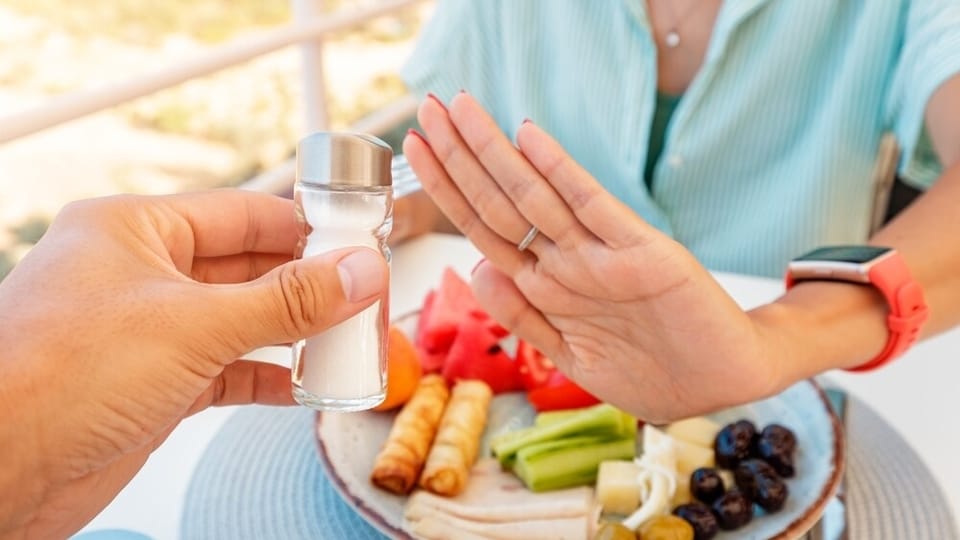
Your tendency to pass the salt will make you ‘pass away’ someday. To prevent your lifespan from shortening, know what you can do: low-sodium salt to DASH diet.
Salt is also known as sodium chloride, and as per Harvard School of Public Health's healthy eating website, The Nutrition Source, salt contains 40% sodium and 60% chloride. It is particularly the sodium consumed through salt seasoning that is alarming and has been flagged by the medical community. So if you are still salty with your mother for not passing the salt at the table, she has all the right reasons to do so. HT Lifestyle reached out to experts to understand more about the risks of sodium for the body's functioning and what you can do instead.
Where does India stand when it comes to salt consumption?
First, let's understand the Indian dynamic and where India's sodium consumption stands in comparison with global health limits.
Dr Shaikh Mohammed Aslam, HOD and consultant, Department of Internal Medicine, Ramaiah Memorial Hospital, shared that excessive salt consumption results in several health complications and conditions, impairing major functions from the kidneys to the heart.
He particularly highlighted India's shocking salt consumption and cited ICMR's ‘One Pinch of Salt’ campaign. According to the Indian Council of Medical Research and its campaign, Indians are consuming too much salt. In fact, it is a major concern that the average daily intake of salt in both urban and rural areas is much higher than the 5 grams that the World Health Organization (WHO) recommends.
Anshul Jaibharat, on board nutritionist for Tata Salt Lite, also weighed in on sodium's risk, including spiking blood pressure, stroke, and heart disease. WHO reports that 1.89 million deaths annually are linked to sodium-related health issues.
What does excess sodium do to your body?

Sodium is often called the ‘silent killer’ as the ill effects may not show up quickly, but over time slowly impact the body through a chain reaction. And since the overall health's functioning is interconnected, sodium affects multiple organs and systems.
Dr Shaikh explained how sodium quietly sets off a dangerous chain reaction that puts a lot of pressure on the heart and arteries. He said, “Excessive sodium (salt) intake leads your body to retain more water for diluting it. Because there is more blood flowing through your arteries because of this extra fluid, your heart has to work harder and put greater pressure on the blood vessel walls. We refer to this persistently high pressure as hypertension, also known as high blood pressure. Your entire cardiovascular system suffers greatly over time because of this constant strain."
This, in turn, significantly accelerates the risk of dangerous and debilitating conditions, from heart attacks to strokes. Dr Shaikh continued, "Your naturally flexible blood vessels become rigid, constricted, and harmed. Your risk of developing crippling heart disease, such as heart attacks and heart failure, eventually rises dramatically because of this damage. The risk of stroke, which can result in death or permanent disability, is also greatly increased. As excessive salt consumption can result in kidney issues and even renal failure, your kidneys also suffer. It affects more than just your heart and brain.”
What can you do instead?

Turning a blind eye to sodium's risks is no longer an option. This requires active intervention, changes in dietary choices that help prevent health risks. There are several options that approach sodium intake.
Low-sodium salt
One option is switching to low-sodium salt if you don’t want to completely eliminate salt. Nutritionist Anshul Jaibharat recommended salt which contains low sodium content. He said, “A practical solution lies in replacing regular table salt with low-sodium alternatives. Low-sodium salt with 15% less sodium than regular iodised salt offers the same savoury taste along with the added benefit of potassium, which helps lower blood pressure. This simple switch allows individuals to enjoy their favourite dishes without compromising on taste or health."
Cook with low salt
Now that your concern about table salt seasoning is addressed, let's take a closer look at how you can cook with low salt. Anshul shared some practical options, “Prioritise whole, minimally processed foods like fresh fruits, vegetables, and lean proteins naturally contain less sodium. Use herbs and spices to enhance flavours instead of salt. And choose lower-sodium versions of sauces and dressings.”
Changing dinner table habits
Often, the impulse to add salt to a meal arises when the taste doesn’t quite hit the mark, prompting people to ask for extra salt. However, as Dr Shaikh warned, it’s best to avoid asking for additional salt at the table.
DASH diet
Since sodium spikes high blood sugar, it is a big health hazard for people diagnosed with hypertension. For them, Dr Shaikh recommended the DASH diet.
He explained, “The DASH (Dietary Approaches to Stop Hypertension) diet is often recommended. This eating plan emphasises fruits, vegetables, whole grains, lean protein, and low-fat dairy, while significantly reducing sodium, saturated fat, and cholesterol.”
And even otherwise, for people without hypertension as well, Dr Shaikh suggested managing stress, maintaining a healthy weight and doing regular physical activity to improve blood pressure.
Recommended salt consumption
So, what is the safe limit when it comes to salt consumption? Dr Shaikh clarified, “Most doctors and health organisations recommend limiting your daily sodium intake to no more than 2,300 milligrams – that's roughly one teaspoon of salt. For many, especially those with existing high blood pressure or other risk factors, an even lower limit of 1,500 milligrams is advised. The reality is, the average person consumes much more, often without even realising it.”
That is why being mindful about your salt intake is your key to protecting your health, like a long-term investment in protecting your heart, kidneys and overall health.
Note to readers: This article is for informational purposes only and not a substitute for professional medical advice. Always seek the advice of your doctor with any questions about a medical condition.


Catch your daily dose of Fashion, Taylor Swift, Health, Festivals, Travel, Relationship, Recipe and all the other Latest Lifestyle News on Hindustan Times Website and APPs.


