
 E-Paper



Applying homemade masks for Diwali glow up? Find out if they really work or not

 Prefer HTon Google


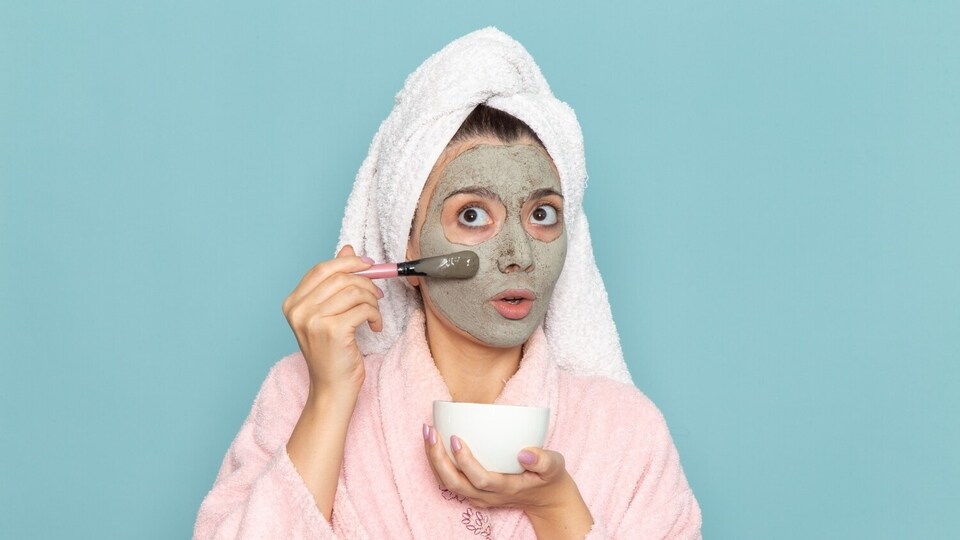
Are you going DIY this Diwali big time? Check what experts have to say about it and whether they help with festive radiance or not.
Diwali 2025: In the days leading up to Diwali, as homes are cleaned and illuminated, there's also a mad dash for the coveted festive glow-up. Radiant, glowing skin is an accessory in itself, bagging the crown for Diwali parties OOTD. Many are eager to achieve the glow. Among the steps, many are opting for detanning, restoring the skin's suppleness, and achieving an even-toned texture for the festivities. One popular hack is using homemade masks, like ubtan, rosewater and more. But are they really effective?
HT Lifestyle reached out to experts to find out whether homemade masks really work, and which techniques can help achieve healthy, radiant skin this Diwali.
Are homemade masks like ubtan effective?

The homemade masks are time-honoured, dating back to our grandmothers' era. They do offer benefits, as Dr Rinky Kapoor, celebrity dermatologist, co-founder and director, The Esthetic Clinics, shared with us. As per Dr Kapoor, they are easy to make, cost-effective, and free from synthetic preservatives and fragrances that some people prefer to avoid.
The face masks offer valuable results too. “Sandalwood contains anti-inflammatory compounds, saffron offers antioxidant properties, gram flour used in ubtans can help physically exfoliate, while lactic acid in dairy provides gentle chemical exfoliation. Rose water acts as a mild toner, while coconut and sesame oils have been used for centuries in abhyanga massage to improve skin texture and circulation," Dr Kapoor described each of the popular homemade masks' results on skin health.
What is the catch?
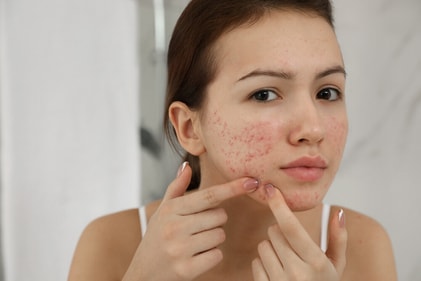
So if these masks are helpful for the skin and offer natural benefits, then what's the catch? Are they safe to use over the weekend leading up to Diwali?
Dr Kapoor revealed some downsides of these homemade masks. While they do have perks, the drawbacks far outweigh them.
“Fresh ingredients lack stability testing and proper preservation, which can harbour bacteria and lead to skin infections. Natural doesn't guarantee safety; many plant-based ingredients cause allergic reactions, contact dermatitis, or irritation, particularly on sensitive or compromised skin,” Dr Kapoor shed light on the lack of bacterial safety in the homemade masks. Just because the ingredients are natural, they do not guarantee safety. The risks of allergy, irritation remain.
Glow up in a practical sense means a dewy, even-toned skin. But even-toned appearance largely depends on skin texture. Homemade masks may compromise the skin barrier, throwing the pH balance off.
Dr Kapoor warned, “DIY formulations often have improper pH levels that can disrupt your skin barrier rather than strengthen it. Ingredients like lemon juice, certain enzymes, or essential oils can cause photosensitivity, pigmentation, or chemical burns if misused or applied in incorrect concentrations.”
To stay away from any kind of irritations or breakouts, before fully applying the homemade face mask, Dr Kapoor asked to do a patch test for any new ingredient for at least 48 hours. Further, she cautioned people with active acne, rosacea, eczema, or any inflammatory skin condition to avoid homemade masks.
Hydrate your skin for better glow
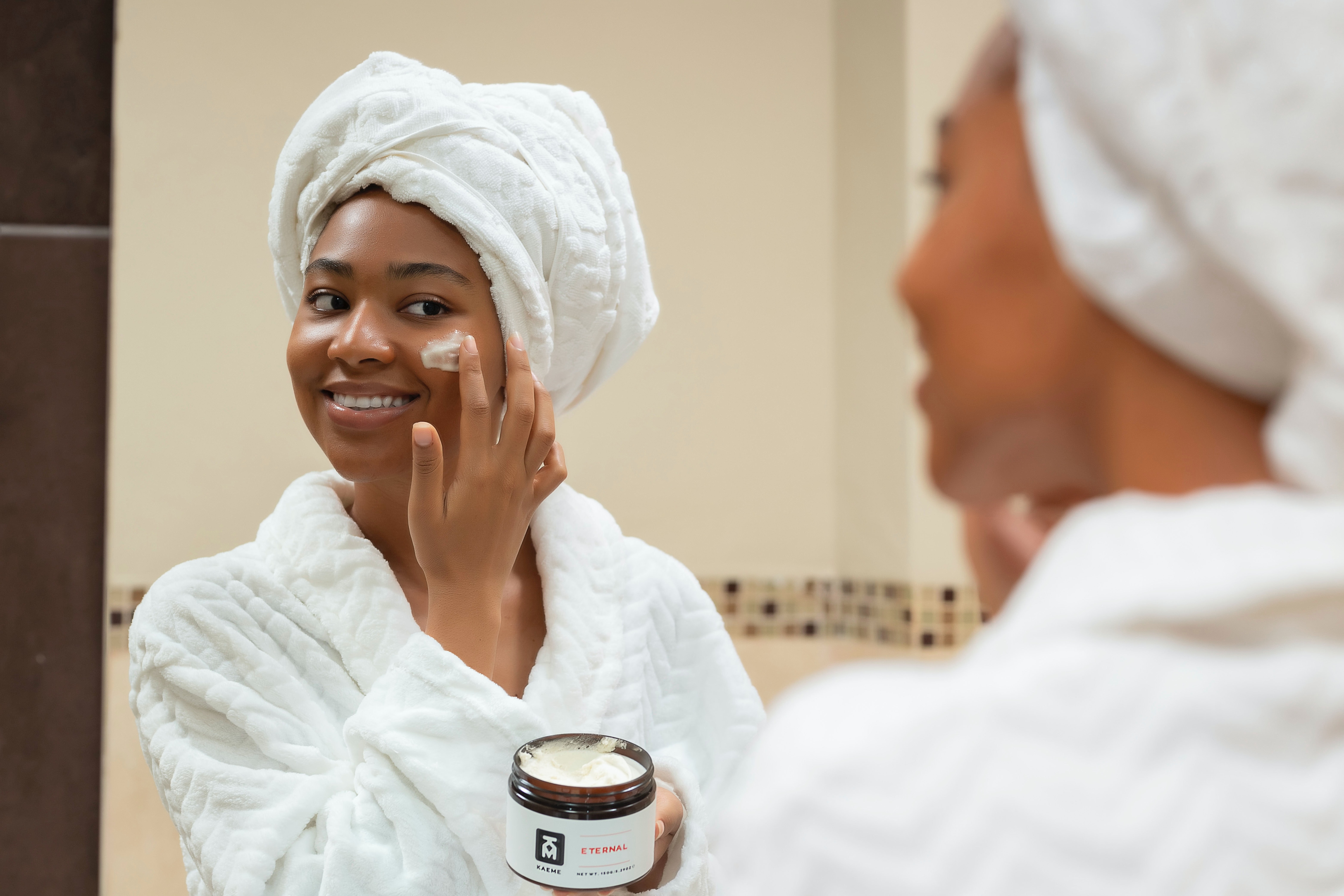
So what brings true radiance? While homemade masks do offer some benefits, it is not entirely risk-free. As discussed before, they may cause an imbalance in the skin's pH levels or introduce bacterial contamination. We connected with another expert to understand the way forward. Dr Anuradha Sharma, Medical Advisor and Skin Expert at Fixderma, said that the key to achieving well-nourished skin is to hydrate from the inside out, while avoiding adding anything new to the routine last minute.
She shared these 5 tips to hydrate inside out:
- Start with a gentle cleanser: Avoid harsh foaming cleansers that strip natural oils; opt for pH-balanced or hydrating gel cleansers. Remember, too much foam harms your skin and does not help it!
- Double Layer hydration: Use a hydrating toner followed by a serum containing hyaluronic acid, panthenol, or copper peptides to draw moisture into the skin. Then choose a ceramide or squalane-based moisturiser to lock in the hydration. This double layer actually ensures hydration for longer.
- Don’t skip sunscreen: UV exposure and even prolonged exposure to excessive bright lights can worsen dehydration and dullness. SPF is non-negotiable, even during festivities and even when indoors.
- Hydrate from within: Drink enough water and include hydrating foods like cucumber, oranges, and coconut water in your diet.
- Night care: Use a lightweight sleeping mask or hydrating cream to help your skin recover overnight.
Note to readers: This article is for informational purposes only and not a substitute for professional medical advice. Always seek the advice of your doctor with any questions about a medical condition.


Catch your daily dose of Fashion, Taylor Swift, Health, Festivals, Travel, Relationship, Recipe and all the other Latest Lifestyle News on Hindustan Times Website and APPs.


