
 E-Paper



Can monsoon rains disrupt diabetes control? Diabetologist Dr Shalini Jaggi reveals 4 tips for preparation
Learn how monsoon rains affect diabetes management and essential tips for using continuous glucose monitoring to navigate seasonal changes effectively.

 Prefer HTon Google


As the rains bring welcome relief from the summer heat, they also usher in a season of unique health challenges, especially for people living with diabetes. Changes in weather, increased humidity, greater susceptibility to infections, and disruptions to daily routines can all influence diabetes management in subtle yet significant ways. With more than 77 million adults in India living with diabetes, according to the International Diabetes Federation, understanding how seasonal shifts can affect glucose management is becoming increasingly important for maintaining long-term health and avoiding complications.

When routines change, monitoring matters
During the rains, maintaining a routine can become harder. Heavy showers can limit outdoor activity, travel disruptions can affect meal times, and changes in food choices or seasonal illnesses can affect glucose levels.
Yet these fluctuations may not always be obvious. A glucose reading taken at one point in the day provides useful information for that moment. Still, it may not show how levels change over the course of the day or in response to meals, activity, stress, or illness.
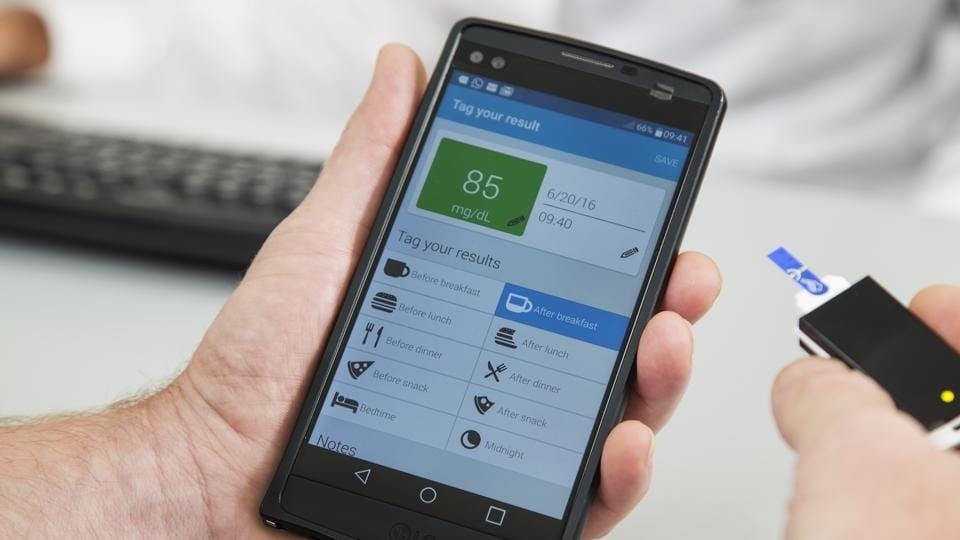
Continuous glucose monitoring (CGM) can provide a broader view by tracking glucose throughout the day. Sensor-based systems can provide real-time, minute-by-minute glucose information on a compatible smartphone, helping people see not only where their glucose is, but also the direction in which it is moving. Optional alerts can notify users when glucose levels are too high or too low, adding another layer of visibility on busy or disrupted days.
“Diabetes management is gradually evolving from a reactive approach to a more proactive one. For people living with diabetes, a single glucose reading tells us what is happening at one moment. In contrast, continuous glucose monitoring can reveal patterns across the day. Seeing how glucose responds to food, activity, stress, or illness, along with real-time trends and alerts for highs or lows, can give people useful context, particularly when routines change during the monsoon. These insights can support more informed conversations with healthcare professionals and a more personalized approach to diabetes management,” Dr Shalini Jaggi, Consultant Diabetologist & Director, Lifecare Diabetes Center, Kirti Nagar, N Delhi, tells Health Shots.
Moving beyond snapshots to understanding patterns
- As diabetes care continues to evolve, the focus is shifting beyond isolated glucose readings towards a deeper understanding of glucose patterns and trends over time. Access to minute-by-minute glucose information can help people better understand how their levels respond to everyday factors such as meals, physical activity, stress, or illness. Trend data provides additional context, indicating whether glucose levels are rising, falling, or remaining stable, helping individuals make more informed decisions about their daily management.
- As access to digital health tools continues to expand, there are opportunities to make diabetes care more personalized, data-informed, and responsive to each individual's lifestyle and circumstances. Connected digital platforms are also improving the use of glucose information. By enabling secure data sharing with healthcare professionals and, where appropriate, family members or caregivers, these tools can support more meaningful conversations and provide a clearer picture of glucose patterns between clinic visits.
- Advances such as longer-wear sensors, real-time glucose monitoring, optional high- and low-glucose alerts, and connected care digital ecosystems are helping bring these insights closer to everyday life. Together, they can support greater awareness of glucose patterns and provide information that may help people better understand how daily habits and routine changes affect their diabetes management.
- While the monsoon season can make routines less predictable, diabetes management does not have to become more challenging. With greater awareness, access to meaningful glucose insights, and ongoing collaboration with healthcare professionals, people living with diabetes can be better equipped to navigate seasonal fluctuations as well as the day-to-day realities of managing a lifelong condition.
(Disclaimer: This article is for informational purposes only and is not a substitute for professional medical advice. Always seek the advice of your doctor with any questions about a medical condition.)

Catch your daily dose of Fashion, Taylor Swift, Health, Festivals, Travel, Relationship, Recipe and all the other Latest Lifestyle News on Hindustan Times Website and APPs.


