
 E-Paper



Cardiologist reveals 5 reasons why your heart beats faster after climbing stairs
Learn why your heartbeat races after climbing stairs. A cardiologist explains what's normal, the impact of lifestyle, and when to seek medical advice.

 Prefer HTon Google


Does climbing a flight of stairs make you feel a sudden adrenaline rush? For some, this feeling quickly fades away. For others, a heart beating faster than usual can be worrying, leaving them breathless and concerned. This raises an important question: Is this a normal reaction? Should we be worried about this experience? We asked a cardiologist.

Dr Niranjan Hiremath, Cardiovascular and Aortic Surgeon, Indraprastha Apollo Hospital, tells Health Shots: “As a cardiologist, I assure you that, in most instances, this response is a part of the body’s natural physiology. However, there are situations when it could indicate something more serious.”
Why does the heart beat so fast after walking up stairs?
Here are five critical reasons why your heart beats faster after climbing stairs:
1. Your body’s normal physiological response
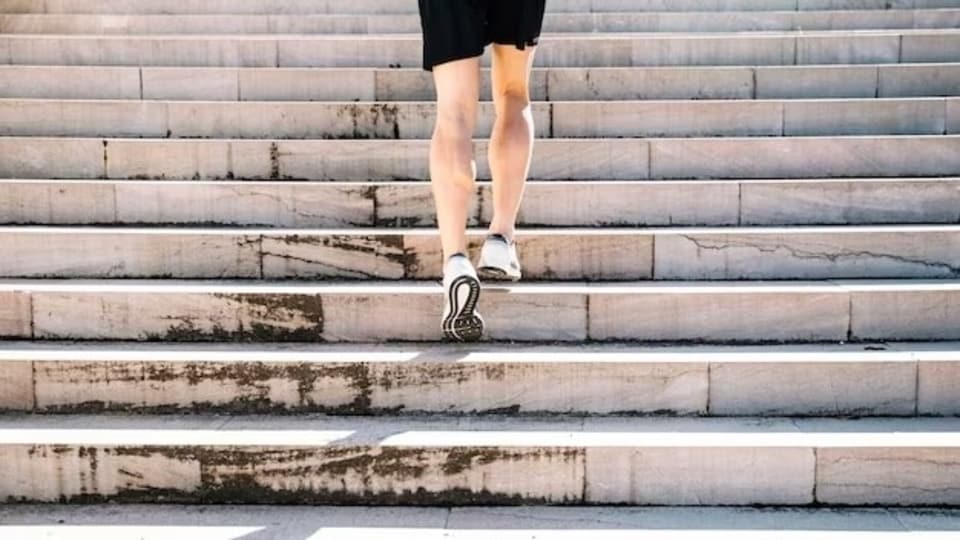
Climbing stairs is harder than walking on flat ground. It takes more energy in a shorter time, which makes your leg and thigh muscles need more oxygen. As a result, your heart beats faster and stronger to pump blood throughout your body.
- Increased oxygen demand: "When you climb stairs, your muscles need more oxygen than they typically do while walking", says the Aortic Surgeon.
- Natural regulation: Once you stop climbing, your heart rate usually returns to normal within one to two minutes.
2. Poor cardiovascular conditioning
When you exercise, your heart works harder, which is essential for maintaining good heart health. "People who exercise regularly, like those who walk or jog, usually don’t notice their heart rate rising much when they climb stairs", says the Cardiovascular Surgeon. On the other hand, less active people may struggle even with a short climb.
- Understand deconditioning: Deconditioning happens when the heart and lungs aren't used to regular physical activity.
- Heart rate disparity: Research published in the European Journal of Cardiovascular Medicine indicates that physically inactive individuals can register heart rates that are 30–40% higher during the same efforts compared to their more fit counterparts.
3. Lifestyle factors: Stress, caffeine, and hydration
Your environment and lifestyle can cause your heart to respond more strongly to even small amounts of physical activity. It's important to understand this.
- Stress and adrenaline: Increased levels of stress or anxiety prompt the body to release adrenaline, which can cause the heart to beat faster, even when the actual level of exertion is low.
- Caffeine and stimulants: "Drinking stimulants like caffeine or using nicotine can raise your heart rate. This happens because they stimulate the cardiovascular system", says Dr Hiremath.
- Hydration levels: Dehydration can reduce blood volume, forcing the heart to work harder. Climbing stairs on a background of fatigue or an empty stomach can intensify these sensations.
4. Hidden medical conditions
For some people, experiencing heart palpitations after climbing stairs may be a sign of underlying health issues.
- Potential conditions: "Hidden health issues, such as anaemia, thyroid problems, high blood pressure, or irregular heartbeats, can cause your heart to race quickly even after light exercise", says the cardiologist.
- Warning signs: It’s essential to watch for symptoms accompanying the fast heartbeat, such as chest discomfort, dizziness, or shortness of breath. In these cases, it ceases to be a benign response and should be evaluated by a medical professional.
5. What is the Bowditch effect of the heart?
A scientific explanation for how our bodies respond to climbing stairs is known as the Bowditch effect, also referred to as the "staircase phenomenon."
- Increased strength of heartbeats: "As your heart rate goes up, each heartbeat becomes stronger. This helps your heart pump better when you are exercising", says Dr Niranjan Hiremath.
- Adaptation in healthy people: For healthy people, this adjustment is a beneficial adaptation. However, those with pre-existing heart conditions might experience discomfort or irregular heartbeats, making them acutely aware of each thump of their heart.
When to seek help?
For most people, a quick increase in heart rate after climbing stairs is normal. While it is important to stay alert, if you often feel your heart racing for a long time or if you have symptoms like fainting, trouble breathing, or chest pain, you should see a doctor. Healthcare professionals may recommend simple tests, such as an ECG, stress test, or echocardiogram, to determine whether your symptoms are caused by harmless exertion or require medical attention.
What is the best way to take care of your heart?
To avoid unexpected heart issues during daily activities, it is important to maintain a healthy heart. Cardiologist shares some ways to take care of your heart:
- Regular exercise: Aim for at least 150 minutes of moderate-intensity exercise per week. This could include activities such as brisk walking, swimming, cycling, or yoga.
- Stay hydrated: Drink adequate water to maintain optimal hydration levels.
- Limit stimulants: Reduce the intake of caffeine and nicotine.
- Manage stress: Incorporate stress-reduction techniques, such as meditation or deep-breathing exercises, into your daily routine.
- Prioritise sleep: Ensure you get regular, restful sleep to support overall heart health.
(Note to readers: This article is for informational purposes only and not a substitute for professional medical advice. Always consult your doctor for any questions about a medical condition.)

Catch your daily dose of Fashion, Taylor Swift, Health, Festivals, Travel, Relationship, Recipe and all the other Latest Lifestyle News on Hindustan Times Website and APPs.


