
 E-Paper



Cardiologist says 99% supplements are just ‘expensive urine’: ‘Propaganda I’m not falling for’

 Prefer HTon Google


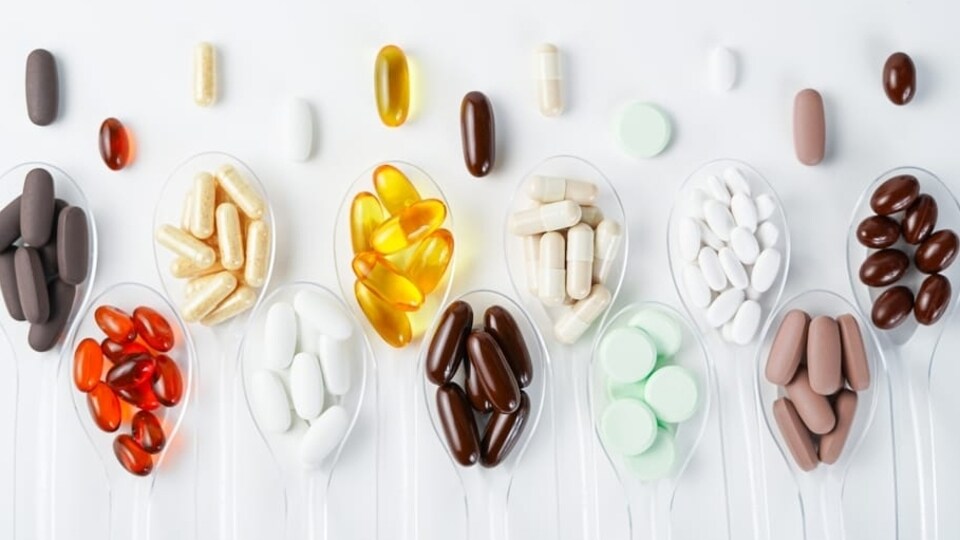
Preventive cardiologist Dr Belardo criticises supplements, stating that most products, outside of deficiency, are ineffective and cause health issues.
Are supplements worth it? Recent discourse around deficiencies or general health has promoted the usage of supplements among the general public. With people buying over-the-counter supplements to deal with deficiencies they don't even have or to attain certain health goals. But should they be in your daily diet?
According to Dr Danielle Belardo, MD, a preventive cardiologist from Los Angeles, California, supplements are ‘just expensive urine’. While attending the American Society for Preventive Cardiology (ASPC) 2025 Congress on CVD Prevention, Dr Belardo was asked what propaganda she would not fall for, and her answer was supplements. Let's find out why.
‘Supplements are just making you have pricey pee’
In an Instagram post, shared by CardioVisual, the cardiologist explained why she is against supplements. She emphasised that supplements outside of deficiency or guideline-directed use are often ineffective, sometimes harmful, and rarely a substitute for evidence-based cardiovascular prevention.
Explaining her take, Dr Belardo said, “The use of supplements outside of deficiency or guideline-directed use is definitely propaganda I'm not falling for. Ninety-nine percent of the supplements you buy are going to be expensive urine at best, and end in organ damage, kidney damage, liver damage, and a lot of other problems at worst.”
Why are supplements unnecessary? When should you consume them?
Dr Belardo further emphasised that those hair, skin, and nail supplements, or fish oil supplements, that people consume liberally, aren't doing anything for you. Adding that fish oil supplements increase the risk of atrial fibrillation (an irregular and often very rapid heart rhythm).
She further stressed that supplements outside of a diagnosed deficiency or a guideline indication are unnecessary. However, that is not always the case. Under guideline indications, some supplements are necessary, like a prenatal vitamin for women of childbearing age, vitamin D if you live in a certain zone, or B12 for people who are plant-based. “There are specific indications,” she stressed.
Lastly, Dr Belardo stated, “The general supplement industry, which is a multi-billion-dollar industry, is just making you have pricey pee. Or worse, some bad things can happen to you.”
According to the National Institutes of Health, current research does not show enough evidence that vitamin or mineral supplements are beneficial for preventing or treating heart disease. Moreover, the Columbia University Irving Medical Centre states in their report that most of the supplements for sale today have not been tested. Additionally, if you’re not treating a deficiency, supplements are then just ultimately providing extra doses, and that’s when people are at particular risk for harm.
Note to readers: This article is for informational purposes only and not a substitute for professional medical advice. Always seek the advice of your doctor with any questions about a medical condition.


Catch your daily dose of Fashion, Taylor Swift, Health, Festivals, Travel, Relationship, Recipe and all the other Latest Lifestyle News on Hindustan Times Website and APPs.


